
Hair & Skin
Showing 25–36 of 71 results
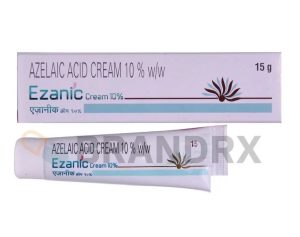
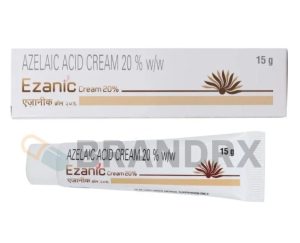
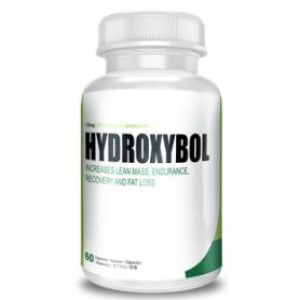
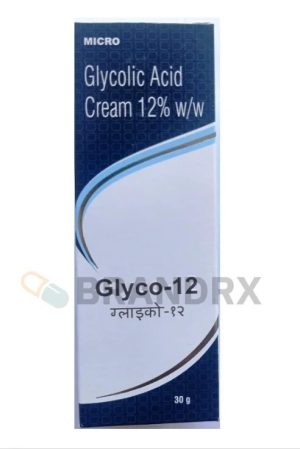
Showing 25–36 of 71 results
Why androgens cause skin and hair problems
Steroid acne and androgenic hair loss share one driver: androgens acting on tissue that is sensitive to them. Sebaceous glands enlarge and produce more sebum; hair follicles in genetically susceptible people miniaturise. This section holds 71 lines from £4 to £840, clustered near £28, covering treatments for both.
Why steroid acne behaves differently
The sequence matters. Androgens enlarge sebaceous glands, sebum production rises, follicles block, and resident bacteria then multiply in an environment that suits them. The bacteria are the last step, not the cause — which is why antibiotics and topical antibacterials often fail against androgen-driven acne while working perfectly well on ordinary acne.
Addressing the hormonal driver, or the gland itself, is what works. That is why isotretinoin succeeds where topicals do not — it shrinks the glands rather than fighting the consequence.
Which compounds cause the most trouble
| Compound class | Acne risk | Hair loss risk |
|---|---|---|
| Trenbolone | High | High |
| DHT derivatives (masteron, proviron) | Moderate | High |
| Oxymetholone | High | Moderate |
| Testosterone at higher doses | Moderate | Moderate |
| Oxandrolone, turinabol | Lower | Lower |
The finasteride limitation
Finasteride works by blocking conversion of testosterone to DHT, which helps where testosterone is the driver. It does not help against compounds that are already DHT derivatives — masteron, proviron, stanozolol — because there is no conversion step left to block. This is among the most common misunderstandings in this area and it costs people months.
Where it typically appears
Androgen-driven acne characteristically shows on the back, shoulders and chest before the face, which distinguishes it from ordinary adult acne. Onset commonly follows a dose increase or a switch to a more androgenic compound by a few weeks, which is a useful diagnostic signal in itself.
Hair loss follows a different timeline — it is cumulative rather than acute, and by the time it is visible the follicles involved have been miniaturising for some time. That asymmetry is why hair-loss decisions are best made before starting a strongly androgenic compound rather than after.
What is stocked here
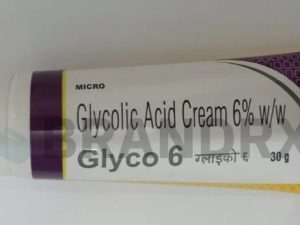
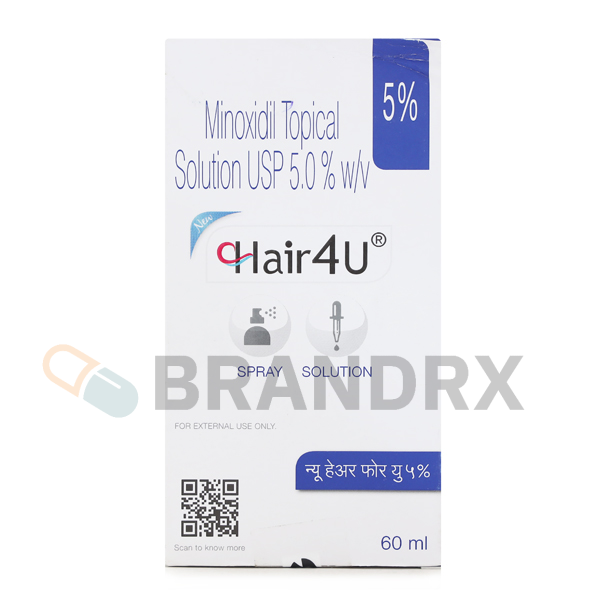
The 71 lines in this section span both problems: isotretinoin and topical treatments for acne, finasteride and related compounds for androgenic hair loss, plus general dermatological products. The £4 to £840 spread reflects that range — topical treatments at one end, a full isotretinoin course at the other.
Dragon Pharma is the most represented manufacturer, though this category is more mixed than most since several products are conventional pharmaceuticals rather than performance compounds.
Timing matters differently for each
Acne responds to intervention at any point, and treating it early mainly prevents scarring. Hair loss does not work that way — once follicles have miniaturised the process is difficult to reverse, so decisions about protective measures are worth making before starting a strongly androgenic compound rather than after noticing thinning.
The most effective intervention
Reducing the androgen load. A lower dose, or a less androgenic compound, addresses the cause rather than fighting downstream. That is unwelcome advice and it is the honest one — the treatments here manage consequences, they do not remove the driver.
Where treatment is warranted, note that isotretinoin and oral steroids both load the liver and both worsen lipids, so combining them without blood work is a poor idea. The detail is in steroid acne and isotretinoin.
What to do first
Establish which problem you have and what is driving it. Androgen-driven acne on the back and shoulders following a compound change is a different situation from ordinary adult acne, and it needs a different response. Hair thinning in a genetically predisposed person on a DHT-derived compound will not respond to finasteride, whatever the general advice says.
Getting that identification right saves months of treating the wrong thing, which is the most common outcome in this area.
Neither problem resolves on its own while the driver is still present, which is the point most often missed.
Frequently asked questions
Why does steroid acne not respond to normal treatments?
Because the driver is hormonal. Antibiotics and topicals address bacteria, which are a downstream consequence rather than the cause.
Does finasteride stop steroid hair loss?
Only where testosterone is the driver. Against DHT-derived compounds it does nothing, because there is no conversion left to block.
Which steroids are worst for hair?
DHT derivatives and trenbolone, in genetically susceptible people. Oxandrolone and turinabol are comparatively gentler.
Will the acne clear after a cycle?
Usually, as androgen levels normalise. Scarring from severe cases does not, which is why acting early matters.
Can I take isotretinoin during a cycle?
Both load the liver and worsen lipids. Doing so without blood work is one of the riskier combinations in this catalogue.


