
Epitalon Peptide
Showing all 11 results
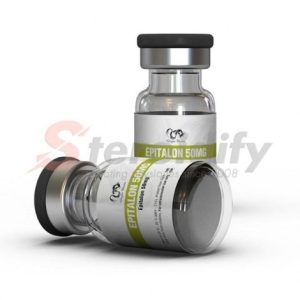
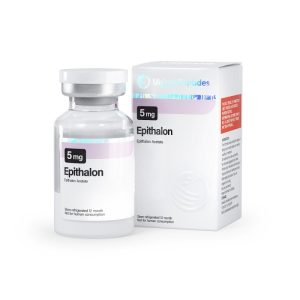
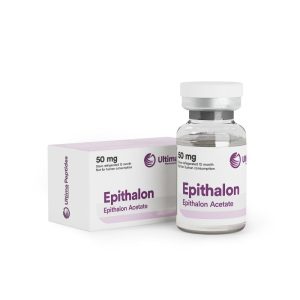
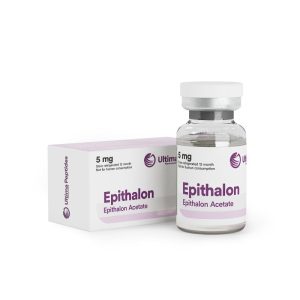
Showing all 11 results
Epitalon and where its evidence comes from
Epitalon, also spelled epithalon, is a four-amino-acid peptide sold on claims about telomerase activation, ageing and lifespan. This section holds 11 lines from £57 to £238, averaging near £115.
The claims are unusual in this catalogue because they are not about training outcomes at all. They are about biological ageing, which is a much larger claim and deserves a correspondingly harder look at the evidence.
The provenance problem
Nearly all of the published work on epitalon originates from one research group in St Petersburg, led by Vladimir Khavinson, spanning several decades. That body of work reports telomerase activation, extended lifespan in animals, and benefits in elderly human subjects.
What is missing is independent replication. A finding reported repeatedly by the group that discovered it, and not confirmed by unaffiliated laboratories, is in a different evidential position from one reproduced across independent teams — regardless of how many papers exist.
Why that matters more than usual here
Longevity effects are extraordinarily difficult to measure and extraordinarily easy to claim. Nobody can verify a lifespan claim on a human timescale within a product cycle, which means the buyer has no way to assess whether it worked.
That combination — an unfalsifiable-in-practice claim resting on unreplicated research — is why we are describing the evidence rather than the benefits.
What we are not going to tell you
We will not state that epitalon extends human lifespan, activates telomerase in humans at these doses, or slows ageing, because the evidence does not support asserting any of it. Competitor pages state all three routinely. The absence of those claims here is deliberate.
Safety data is likewise thin: no long-term controlled human safety study exists, and short peptides are not inherently safe by virtue of being short.
Practical notes
Supplied lyophilised, reconstituted with bacteriostatic water and refrigerated, as with the rest of the peptides range. It is not a licensed medicine in the UK. Supplier checks are covered in how to check a brand is genuine, and matter here as much as anywhere in the catalogue.
Where it sits in the catalogue
Epitalon is filed with the peptides but it belongs to a different category of claim from the growth hormone secretagogues around it. GHRP-2 makes a measurable claim — raised growth hormone, testable within hours. Epitalon’s claim cannot be tested on any practical timescale, which is the difference that matters when judging what you are buying.
Frequently asked questions
Does epitalon activate telomerase in humans?
Reported by one research group. Not independently replicated, so it should not be treated as established.
Is there long-term safety data?
No controlled long-term human safety study exists.
Why is the evidence questioned if there are many papers?
Volume of papers from a single affiliated group is different from replication across independent laboratories.
Will I notice anything?
There is no short-term measurable endpoint, which is precisely what makes the claims hard to assess.
Is it a licensed medicine?
No. It is sold for research purposes and is not approved anywhere as a treatment.


