
Frag 176-191 Peptide
Showing 1–12 of 15 results
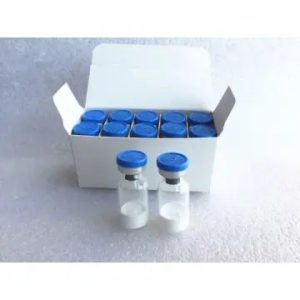
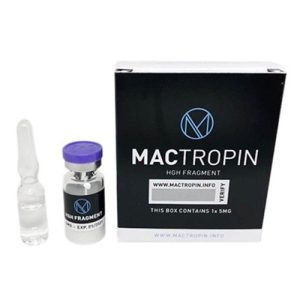
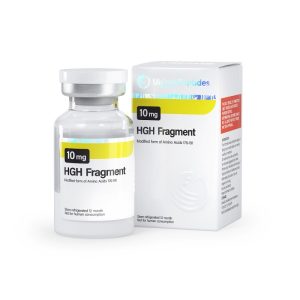
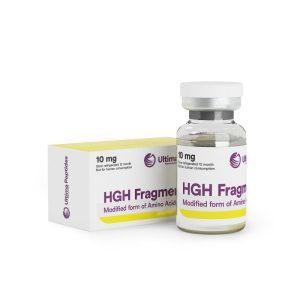
Showing 1–12 of 15 results
What the fragment is
HGH Frag 176-191 is the tail section of the growth hormone molecule — amino acids 176 to 191. The premise is that this fragment carries growth hormone’s fat-metabolism effects without its growth-promoting ones. This section carries 15 lines from £52 to £304, clustered near £67.
What HGH Frag 176-191 inherits from growth hormone
| Effect | Fragment |
|---|---|
| Lipolysis | The claimed mechanism |
| Muscle and tissue growth | No — the point of using a fragment |
| Insulin resistance | Reportedly not, unlike full somatropin |
| IGF-1 elevation | No |
Avoiding the insulin-resistance effect is the genuine selling point, since that is the main long-term concern with somatropin. Whether the fat-loss effect is large enough to matter is the open question — human data is limited and the effect sizes reported are modest.
Relationship to AOD-9604
AOD-9604 is a modified version of this same fragment, developed and trialled specifically for obesity. Those trials did not produce results strong enough to reach approval, which is context worth holding when assessing claims made for the unmodified fragment.
How it compares on effect size
Set against the other fat-loss options stocked, this sits at the modest end. GLP-1 compounds produce far larger effects through appetite suppression, and thyroid hormone produces larger effects through metabolic rate at the cost of muscle. The fragment’s argument is a favourable side-effect profile rather than a competitive effect size, and buying it on the expectation of dramatic results misreads what it offers.
What the evidence base looks like
Melanotan 2 was developed from research at the University of Arizona into photoprotection, and the mechanism is well characterised. What was never completed is the clinical development that would establish safe dosing, long-term effects or a proper adverse-event profile in humans.
That is why the side effects listed above come from user reports rather than trial data, and why the mole-monitoring caution matters so much — nobody has systematically studied what sustained melanocyte stimulation does over years.
Why it is priced as it is
At £38 to £232 with a midpoint of £72, this sits mid-range for the peptide category. It is a relatively short sequence and inexpensive to synthesise, so the pricing reflects presentation size rather than production difficulty. A cheap listing here is unremarkable, unlike in the growth hormone category.
Why the fragment approach was tried
Growth hormone produces both fat metabolism and tissue growth, and the growth side brings the insulin-resistance concern that limits long-term somatropin use. Isolating the region responsible for lipolysis was a reasonable attempt to separate the two.
Whether it succeeded well enough to matter is the open question, and the AOD-9604 trial history is the most informative evidence available on that point.
Handling and legal position
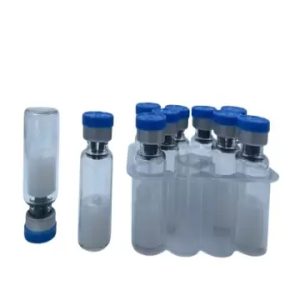
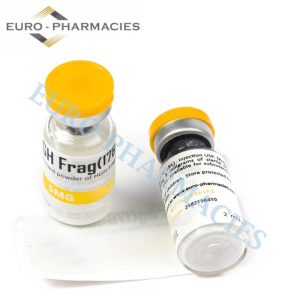
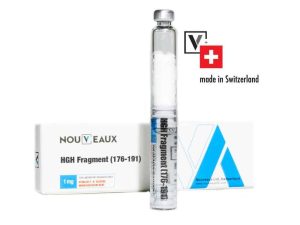
Lyophilised, reconstituted with bacteriostatic water, refrigerated after mixing. Not a controlled drug but an unlicensed medicine. Ultima Pharmaceuticals and Euro Pharmacies carry the stocked lines, alongside the wider peptides range. For compounds with substantially larger fat-loss effects, see semaglutide.
Frequently asked questions
Does HGH Frag work for fat loss?
The mechanism is plausible and human data is limited. Reported effect sizes are modest compared with GLP-1 compounds.
Is it safer than HGH?
It reportedly avoids the insulin-resistance effect, which is somatropin’s main long-term concern. That is its principal argument.
How does it differ from AOD-9604?
AOD-9604 is a modified version of the same fragment that was trialled for obesity without reaching approval.
Does it raise IGF-1?
No — that is the growth-promoting side the fragment is intended to exclude.
Does it need refrigerating?
After reconstitution, yes. The powder is stable at ambient temperature.


