SARMs
Showing 1–12 of 166 results

Showing 1–12 of 166 results
What SARMs are
Selective androgen receptor modulators are compounds that bind the androgen receptor with tissue selectivity — the design intent being action in muscle and bone with less effect on prostate and skin than conventional androgens. Anyone comparing SARMs UK-side should know that none has completed the approval process as a licensed medicine anywhere; every compound in this section is supplied for laboratory research. The range runs to 166 lines between £3 and £540, with the midpoint near £71.
The compounds in this range
| Compound | Also called | Lines |
|---|---|---|
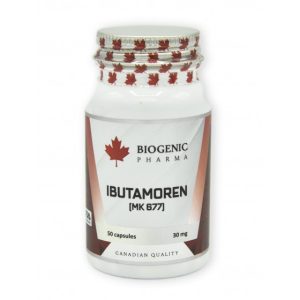
| Ibutamoren | MK-677 — a secretagogue, not strictly a SARM | 14 |
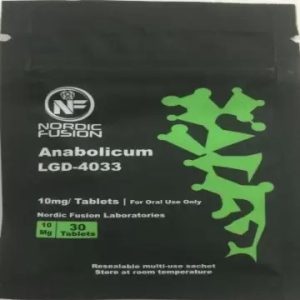
| Ligandrol | LGD-4033 | 13 |
| Ostarine | MK-2866, enobosarm | 12 |
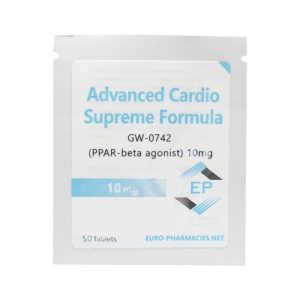
| Endurobol | GW501516, cardarine — a PPAR agonist | 11 |
| RAD-140 | Testolone | 10 |
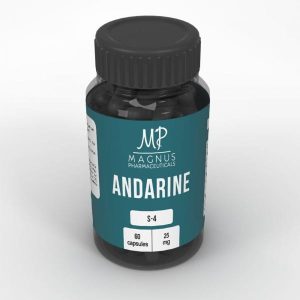
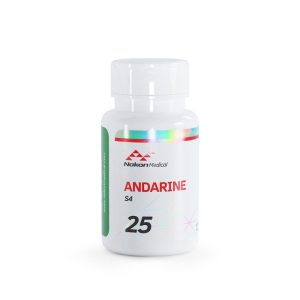
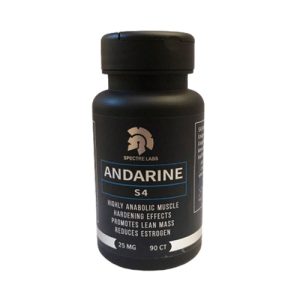
| Andarine | S-4 | 7 |
Two entries there are commonly mislabelled. MK-677 is a growth-hormone secretagogue acting on the ghrelin receptor, and GW501516 is a PPAR-delta agonist — neither binds the androgen receptor at all. They are grouped here because that is how the market sells them, not because the pharmacology matches.
Where they sit against anabolic steroids
The selectivity is a matter of degree rather than a clean separation. SARMs still suppress natural testosterone production — LGD-4033 and RAD-140 markedly so — which means the same recovery planning applies as for conventional compounds, and our post cycle therapy range covers it. Liver enzyme elevation is also reported, particularly with RAD-140.
Half-lives and why dosing schedules differ
The compounds in this group clear at very different rates, which is why protocols are not interchangeable between them. Ostarine has a half-life around 24 hours and suits once-daily dosing; RAD-140 is longer again; MK-677 runs roughly 24 hours but is taken for its effect on growth hormone pulses rather than androgen signalling at all. Reading a protocol written for one compound and applying it to another is the commonest error in this section.
Suppression tracks potency rather than half-life. LGD-4033 and RAD-140 suppress markedly enough that recovery planning is not optional, while ostarine at low doses is comparatively mild — though “comparatively” is doing real work in that sentence.
Testing and legal status
Every compound here is prohibited in sport at all times and is detectable. UK Anti-Doping lists them under anabolic agents, and contaminated supplements are a documented route to an inadvertent positive. In UK law they are unlicensed medicines rather than controlled drugs, so possession is generally not an offence while supply for human use is — the same framework we set out in are peptides legal in the UK.
Frequently asked questions
Are SARMs toxic to the liver?
Elevated liver enzymes are reported, most consistently with RAD-140 and LGD-4033. The effect appears dose-related and generally reverses on cessation, but it is real and worth monitoring.
Will SARMs fail a drug test?
Yes. They are prohibited at all times under the WADA code and are detectable. Under strict liability the positive is yours regardless of intent.
What’s better, SARMs or peptides?
They do different jobs. SARMs act on the androgen receptor; peptides mostly signal the pituitary or act on tissue repair. Neither substitutes for the other.
Can SARMs give you gyno?
Some can. Compounds that suppress testosterone shift the testosterone-to-oestrogen ratio, and the resulting imbalance can produce gynecomastia even without direct aromatisation.
Are SARMs legal to buy in the UK?
They are unlicensed medicines, not controlled drugs. Holding them is generally not an offence; supplying them for human use is, which is why every listing here is research-labelled.