Endurobol
Showing all 11 results
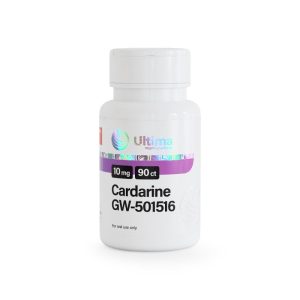
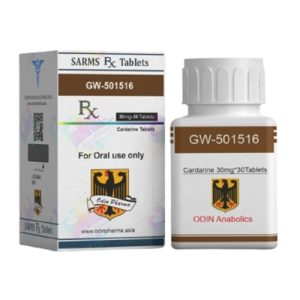

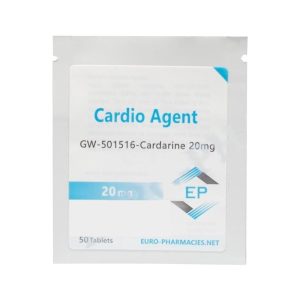
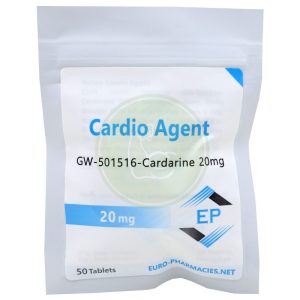
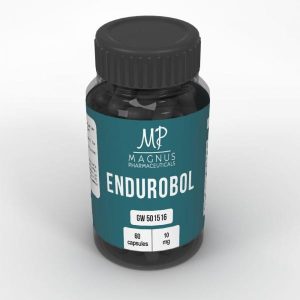
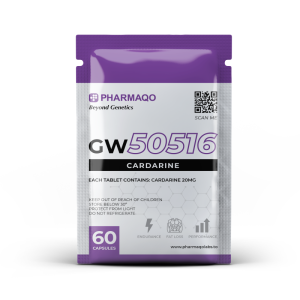

Showing all 11 results
Cardarine uk listings are not selling a SARM
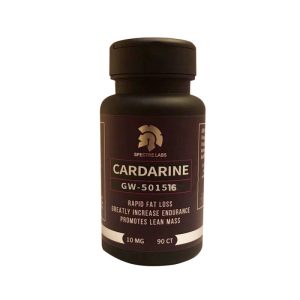
GW-501516, sold as cardarine or endurobol, is filed under SARMs almost everywhere including here, and it is not one. It is a PPARδ agonist. It does not act on the androgen receptor at all, which is why it is not suppressive and does not require PCT.
This section holds 11 lines from £46 to £154, averaging near £91.
What it was developed to do
GW-501516 was investigated for metabolic and cardiovascular indications. It shifts substrate use toward fat oxidation, and in animal work it produced substantial endurance improvements. That endurance effect is what drives interest in it.
Why development stopped
This is the part that belongs at the front of any page selling it. Long-term rodent carcinogenicity studies found tumour development across multiple organ systems, and development was discontinued as a result. The World Anti-Doping Agency took the unusual step of issuing a direct public warning to athletes about health risks — not merely adding it to the prohibited list.
Several qualifications are genuine: the doses were high, the duration was long, and rodent carcinogenicity does not translate one-to-one to humans. None of those qualifications amount to a clean result, and no human long-term safety data exists to set against it.
How to weigh that
| Question | Answer |
|---|---|
| Does it improve endurance? | Animal data says yes; human data is limited |
| Is it suppressive? | No — it is not an androgen |
| Why was it dropped? | Tumours across organ systems in long-term rodent studies |
| Human long-term safety | No data |
What that means practically
We stock it and we are not going to write around the carcinogenicity finding to make the listing read better. Anyone buying it should do so knowing why the pharmaceutical company that developed it walked away, rather than discovering it later.
There is no established safe dose, because the development programme that would have set one was abandoned before it got there.
If the goal is fat loss rather than endurance, the compounds in fat burners have a longer human track record, whatever their own drawbacks.
Where the endurance claim comes from
The headline rodent result — untrained animals showing large increases in running endurance — is genuine and is the reason the compound has the reputation it does. Human confirmation at comparable scale does not exist, so the effect size people expect is inferred from mice rather than measured in people.
Why it is often stacked, and why that muddies things
Cardarine is frequently run alongside ostarine or a fat-loss compound, which makes individual attribution impossible. When someone reports a good result from a stack, there is no way to know which component produced it — a general problem in this category, and a particular one here given what is at stake in the safety data.
Frequently asked questions
Is cardarine a SARM?
No. It is a PPARδ agonist and does not act on the androgen receptor, which is why it is not suppressive.
Does it need PCT?
No. It does not suppress natural testosterone production.
Why did development stop?
Long-term rodent studies found tumours across multiple organ systems, and the programme was discontinued.
Do those findings apply to humans?
Unknown. The doses were high and the duration long, but there is no human long-term data to weigh against them.
Is it banned in sport?
Yes, and WADA issued a rare direct health warning about it rather than simply prohibiting it.