
Andarine
Showing all 7 results
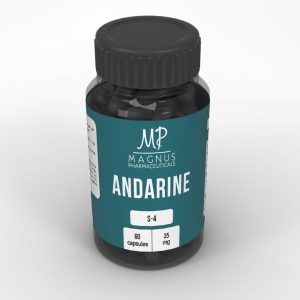
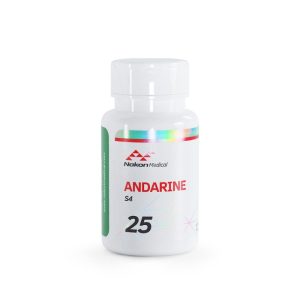
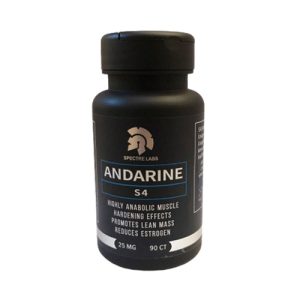
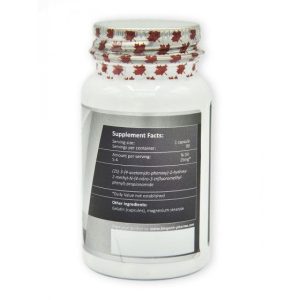
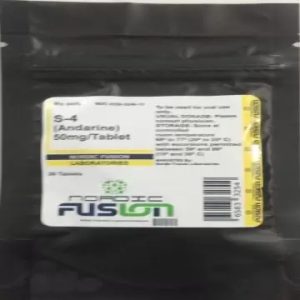
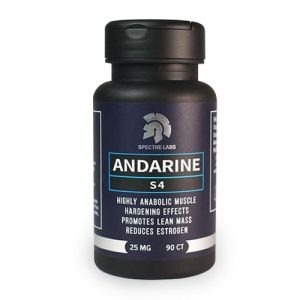
Showing all 7 results
Andarine has one side effect nothing else here shares
S4 is the compound users describe as tinting their vision yellow and impairing night adaptation. It is the single most distinctive thing about it and it is reported often enough to be considered characteristic rather than rare. This section holds 7 lines from £71 to £114, averaging near £94.
Why it happens
Andarine appears to bind receptors in the retina, interfering with the pigment involved in low-light vision. The reported pattern is consistent: a yellow cast to everything, difficulty adjusting from bright to dark, and worse night vision. It is dose-dependent and generally reported to resolve after discontinuation.
“Generally resolves” is doing real work in that sentence. There is no controlled follow-up study establishing that it always resolves, so the reassurance rests on user reports rather than measurement.
What that means practically
Anyone who drives at night, operates machinery, or does anything where degraded low-light vision carries consequences should weigh this differently from someone who does not. It is an unusual side effect in that it directly affects a safety-critical function while the compound is being taken.
The rest of the profile
| Property | Andarine (S4) |
|---|---|
| Type | Non-steroidal SARM |
| Suppression | Yes, dose-dependent |
| Half-life | Short — hence split dosing |
| Distinctive risk | Visual disturbance |
It was originally investigated for muscle wasting and benign prostatic hyperplasia, and like the rest of the SARMs range it never completed development. It is suppressive and warrants a PCT plan.
Where it sits now
Andarine has largely been displaced by ostarine and RAD-140, mostly because of the vision issue rather than because it was shown to work less well. It is prohibited in sport and is not a licensed medicine in the UK. Supplier verification is covered in how to check a brand is genuine.
Why it was investigated in the first place
Andarine was among the earliest SARMs developed and was studied for muscle wasting and benign prostatic hyperplasia. Early work showed it preserved muscle and bone in animal models of androgen deficiency without the prostate effects of testosterone, which is the result the whole category was built on.
Development did not continue to approval, so what exists is early-stage data plus two decades of uncontrolled user experience.
Frequently asked questions
Does everyone get the vision effect?
Not everyone, but it is reported often enough to be treated as characteristic rather than unusual.
Does it go away?
Reports say it resolves after stopping. No controlled follow-up study has confirmed that it always does.
Why is it dosed more than once a day?
The half-life is short, so single daily doses produce large swings in blood levels.
Is it suppressive?
Yes, dose-dependently. Plan post cycle therapy accordingly.
Why is it less popular than it was?
The visual disturbance, mainly — not evidence that it works less well than the alternatives.


