
Tesamorelin
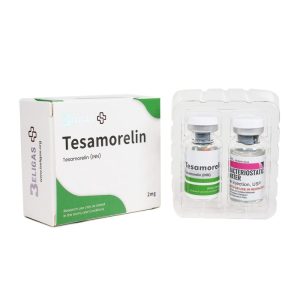
Tesamorelin products.
Showing all 7 results
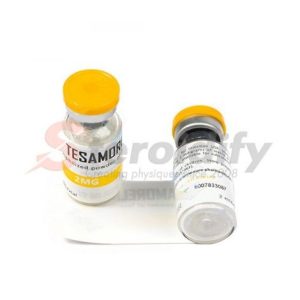
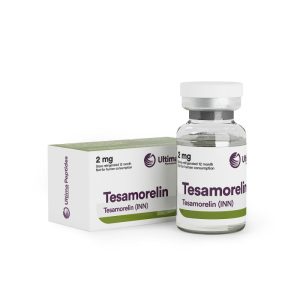
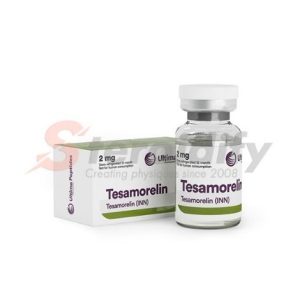
Showing all 7 results
Tesamorelin is the licensed one
Almost everything in the peptides range is sold for research purposes with no regulatory approval anywhere. Tesamorelin is the exception: it is an approved medicine, licensed in the United States as Egrifta for excess visceral abdominal fat in HIV-associated lipodystrophy. This section holds 7 lines from £38 to £290.
What the approval actually covers
It covers one specific population and one specific outcome — reduction of visceral adipose tissue in HIV patients with lipodystrophy. That is a narrow licence, and it does not extend to general fat loss in healthy people.
What the approval does establish is more than any other compound in this group can claim: controlled trials, a measured effect, a documented safety profile, and a regulator’s assessment of both.
Visceral, not subcutaneous
The trials measured visceral adipose tissue — the fat around the organs, not the fat under the skin. Those are different depots that respond differently, and tesamorelin’s evidence is specifically for the deeper one.
Anyone expecting it to work on the fat they can see is expecting something the trial data does not describe.
How it works
It is a GHRH analogue: it stimulates the pituitary to release growth hormone rather than supplying growth hormone directly, so release stays pulsatile and under feedback control. That is the same principle behind sermorelin, with a longer duration of action.
The insulin sensitivity caveat that applies across this group applies here too and was observed in the trials.
Why the price range is so wide
From £38 to £290 is a broad spread for one compound, and it reflects presentation size rather than any difference in what is inside. As with the rest of the growth hormone category, comparing cost per unit rather than cost per vial is the only fair way to read it. Supplier checks are set out in how to check a brand is genuine.
Frequently asked questions
Is tesamorelin approved?
Yes, in the US for HIV-associated lipodystrophy. That is a narrow licence, not general approval for fat loss.
Does it reduce subcutaneous fat?
The evidence is for visceral fat specifically. Subcutaneous fat is a different depot.
How does it differ from injecting growth hormone?
It prompts the pituitary to release its own, so release stays pulsatile and feedback-regulated.
Is it better than sermorelin?
It acts longer and has far more trial data. Sermorelin is shorter-acting and less studied.
Does the effect persist after stopping?
Visceral fat returned after discontinuation in the trials, so the effect depends on continued use.


