PCT
Showing 1–12 of 577 results

Showing 1–12 of 577 results
What post cycle therapy means
Post cycle therapy is the protocol run after a suppressive compound is discontinued, intended to restart the body’s own testosterone production. It is not a single product but three drug classes acting at different points on the same hormonal axis. This section holds 576 lines across those classes, priced from £6 to £464, with most of the range near £64.
Choosing between them becomes straightforward once you know which of the three jobs you are trying to do, so this page is arranged as that decision rather than as a product list.
Step one: which class do you need?
| Class | Acts on | Job it does | Lines here |
|---|---|---|---|
| SERMs | Oestrogen receptor | Restarting LH and FSH signalling once a compound clears | 131 |
| Aromatase inhibitors | Aromatase enzyme | Lowering circulating oestradiol while a cycle runs | 144 |
| Gonadotropins | Testes directly | Restoring testicular response before a SERM phase | 62 |
The distinction that decides everything: a SERM blocks the receptor and leaves oestradiol where it is, while an aromatase inhibitor lowers oestradiol itself. They are not interchangeable, and using one where the other is indicated is the commonest error in this section of the catalogue.
Step two: choosing a SERM
Two compounds dominate this group. Tamoxifen runs to 76 lines and clomiphene citrate to 55, with a further 27 listed under the Clomid name. Both restart the same signalling by the same mechanism and perform comparably on the endpoint that matters, so the deciding factor is tolerability rather than effectiveness — clomiphene carries a higher reported incidence of visual disturbance and mood effects, which is why tamoxifen tends to be the default. The two are compared directly in Clomid vs Nolvadex.
Step three: choosing an aromatase inhibitor
Three sit in the oestrogen blocker group: anastrozole at 56 lines, letrozole at 45 and exemestane at 43. Exemestane binds irreversibly, which changes how oestradiol behaves when it is stopped; letrozole is the most potent of the three and is consequently the one most often over-used, since driving oestradiol too low brings joint pain, lost libido and worsened lipids. Dose from a measured oestradiol reading rather than from a protocol. The three are compared in anastrozole vs exemestane vs letrozole.
Step four: whether gonadotropins belong in the plan
A SERM acts on the brain and assumes the testes will respond to the signal it restores. After prolonged suppression that assumption can fail, and that is the gap gonadotropins fill — 62 lines here. Timing is the whole question: they are used before the SERM phase rather than alongside it, because running both together works against the SERM. The sequence is explained in hCG during and after a cycle.
Supporting compounds in this section
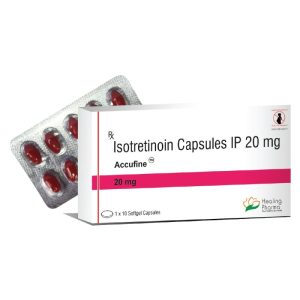
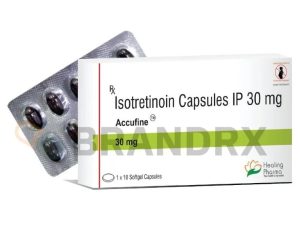
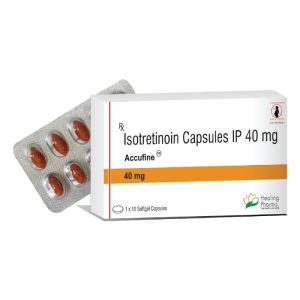
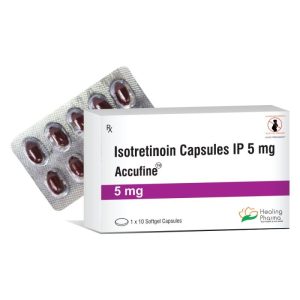
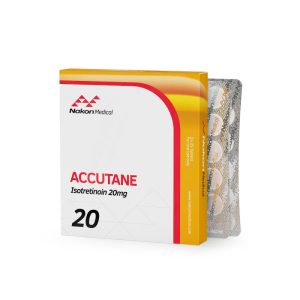
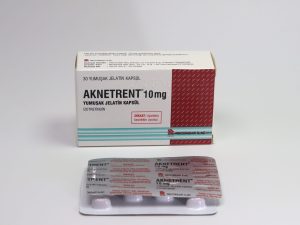
Beyond the three main classes the category also carries mesterolone at 41 lines, cabergoline at 20 for prolactin management, finasteride at 23 and isotretinoin at 30. Brand depth across the whole section runs from Driada Medical and Intex Pharma through Pharmaqo Labs, Euro Pharmacies and Hilma Biocare, so a full protocol can generally be sourced from a single manufacturer if you prefer one verification process to several.
Frequently asked questions
What drugs are used in PCT?
Principally SERMs — tamoxifen and clomiphene — to restart signalling. Aromatase inhibitors and gonadotropins are used alongside or beforehand depending on which compound was discontinued and how long suppression lasted.
What medication is used for post cycle therapy?
Tamoxifen is the most widely stocked, followed by clomiphene citrate. Both act at the oestrogen receptor in the hypothalamus, which is what prompts the rise in LH and FSH that restarts testicular output.
Does PCT lower testosterone?
No — the intended effect is the opposite. SERMs raise gonadotropin output, which raises testosterone. Aromatase inhibitors lower oestradiol rather than testosterone, although pushing oestradiol too low creates its own problems.
What is PCT in steroids?
The protocol run once a suppressive compound has cleared, intended to return endogenous production to baseline. Timing is dictated by the ester — starting before the compound has cleared wastes the protocol, because suppression is still in place.
Is PCT the same as TRT?
No. Post cycle therapy aims to restart your own production, while testosterone replacement supplies hormone externally and suppresses that production further. They are opposite objectives, and conflating them is a common and consequential mistake.