Creatine
Creatine products.
Showing 1–12 of 13 results
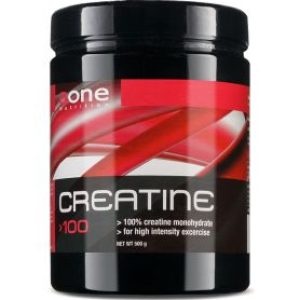
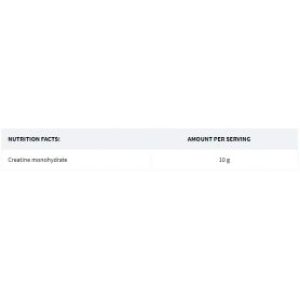
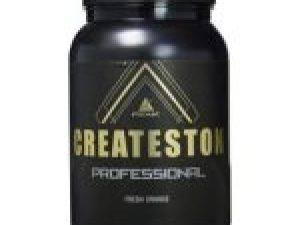
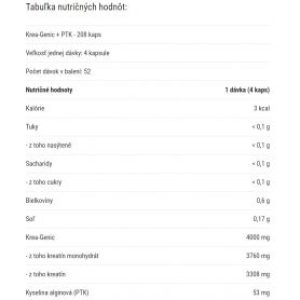
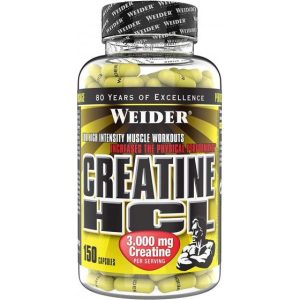
Showing 1–12 of 13 results
Creatine uk buyers are looking at the one supplement that reliably works
Across the whole sports supplements market, a very small number of products survive contact with controlled trials. Creatine is the clearest of them, supported by hundreds of studies over three decades. This section holds 13 lines from £6 to £132.
What it does
Creatine increases phosphocreatine stores in muscle, which regenerates ATP during short intense efforts. The practical result is more work completed in the last repetitions of a set — and more work over months is more adaptation. It does not act on hormones and is not an anabolic agent in any sense.
Effect sizes are consistent rather than dramatic: measurable improvements in strength and lean mass when combined with training, not a transformation.
Which form to buy
| Form | Verdict |
|---|---|
| Monohydrate | The studied form. Buy this. |
| HCl, ethyl ester, buffered | No demonstrated advantage; costs more |
| Blends | Usually monohydrate plus marketing |
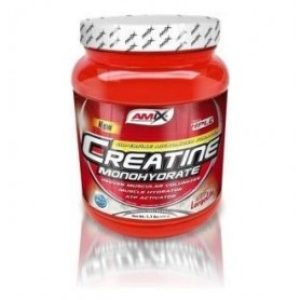
Monohydrate is the cheapest form and the one every major trial used. That is an unusual situation in a supplement market and it is worth stating plainly: paying more here buys you less evidence, not more.
The myths that will not die
Loading is required — it is not. A loading phase saturates muscle stores faster; a steady daily dose reaches the same saturation in about three to four weeks. The endpoint is identical.
It damages the kidneys — not supported in healthy people. Long-term studies have found no renal harm at normal doses. It does raise serum creatinine, which is a marker used to estimate kidney function and can look alarming on a blood test while reflecting supplementation rather than damage. Tell whoever ordered the test that you take it.
It causes hair loss — this traces to a single small study reporting increased DHT, which has not been replicated. Hair loss is not an established effect.
Water weight is real
Creatine draws water into muscle cells, so early weight gain of a couple of kilograms is normal and is not fat. It is also intracellular rather than the subcutaneous water that blurs definition, which is a distinction worth understanding before abandoning it during a cut.
Who it does less for
Roughly a fifth to a third of people are non-responders, generally those whose muscle creatine is already near saturation from a diet high in red meat and fish. Vegetarians typically respond most strongly, having the lowest baseline stores.
Where it sits against everything else here
Creatine is the only product in the sports supplements range with an evidence base comparable to a licensed medicine, and it costs less than almost anything else on the shelf. Against BCAAs, whose case has weakened considerably, or tribulus, whose central claim does not survive controlled testing, the contrast is stark.
It is also worth being clear about what it is not. Creatine is not a hormone, not an anabolic agent, and not comparable to anything in the oral steroids range. It is a legal, well-studied supplement with a modest, reliable effect.
Frequently asked questions
Which creatine should I buy?
Monohydrate. It is the cheapest form and the one used in essentially all the research.
Do I need to load?
No. Loading saturates stores faster; a steady daily dose reaches the same point in a few weeks.
Is it bad for the kidneys?
Not in healthy people at normal doses. It does raise measured creatinine, which can be misread as impairment.
Does it cause hair loss?
Not established. The claim rests on one small unreplicated study.
Why did I gain weight immediately?
Water drawn into muscle cells. It is intracellular, not the subcutaneous water that softens appearance.