
Stenbolone
Showing all 4 results

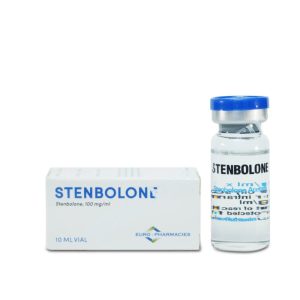
Showing all 4 results
Stenbolone is a compound almost nobody uses
Developed in the 1960s and marketed briefly as Anatrofin, stenbolone never achieved wide clinical or physique use and was discontinued decades ago. This section holds 4 lines from £105 to £150, averaging near £121.
Writing an honest page about it means acknowledging how little is genuinely known, which is itself the most useful thing a buyer can be told.
What is known
It is a DHT derivative, structurally related to methenolone, and shares the general character of that group: it does not aromatise, effects are mild and lean rather than dramatic, and it is not among the harsher compounds available.
Beyond that, the evidence is thin. There is no meaningful body of clinical work, no modern pharmacokinetic characterisation in this context, and a user base too small to have generated reliable accumulated experience.
Why the price is strange
At a £121 average this sits well above compounds with far better-established effects. That is not a quality signal — it reflects tiny production runs for a compound with almost no demand. Scarcity pricing on an obscure product is a poor reason to choose it.
What it competes with, badly
Anyone attracted by the mild DHT-derived profile can get the same character from methenolone or drostanolone, both of which are cheaper, better characterised and backed by decades of accumulated user experience.
The honest recommendation is that there is no situation where stenbolone is the obviously right choice over one of those.
What still applies
It is suppressive, so post cycle therapy is needed. Being DHT-derived it carries hair-loss risk in predisposed people that finasteride cannot address. It is not a licensed medicine in the UK.
Given the obscurity, authenticity is a particular concern — there is no established price band or packaging convention to check against. See how to check a brand is genuine.
Why it is stocked at all
Completeness, mostly. Catalogues of this size accumulate compounds that a handful of people specifically look for, and a discontinued 1960s androgen is exactly that kind of entry.
If you are buying it anyway
Treat it as a mild DHT-derived injectable with an unknown modern profile, keep expectations near those for methenolone, and monitor as you would with anything where the evidence base is this thin.
Frequently asked questions
What is stenbolone?
A 1960s DHT-derived steroid, briefly marketed as Anatrofin, long discontinued and rarely used.
Is there much evidence about it?
Very little. No meaningful clinical body of work and too small a user base for reliable experience.
Why is it expensive?
Tiny production runs for minimal demand. The price reflects scarcity, not quality.
Is there a better alternative?
Methenolone or drostanolone give a similar profile, cheaper and far better characterised.
Does it aromatise?
No. It is DHT-derived, so oestrogen control is not the concern here.


