
D-Aspartic Acid
Showing the single result
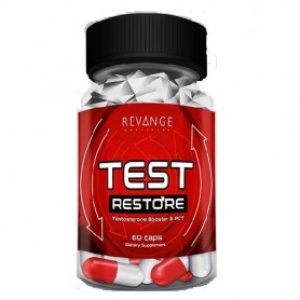
Showing the single result
D aspartic acid had one good study and it did not hold up
DAA is an amino acid involved in hormone signalling, and for a period it was the most credible testosterone-boosting supplement on the market. This section holds 1 line at £61.
The story of what happened to that credibility is the most useful thing this page can offer.
The 2009 result
An Italian study reported that DAA supplementation raised testosterone substantially in men over twelve days. The mechanism was plausible — DAA is present in the pituitary and testes and appears involved in LH release — and the effect size was large enough to attract serious attention.
On the strength of that single study, DAA became a standard ingredient in testosterone-boosting formulations.
What followed
Replication attempts in resistance-trained men found no significant increase in testosterone. A later study went further: at a higher dose, participants showed a decrease in testosterone rather than an increase.
That is a worse outcome than a null result. It suggests the effect may not merely be absent but may reverse — plausibly through the same feedback regulation that defeats most attempts to nudge this system.
Why the original study may have differed
Baseline matters. The original participants were not resistance-trained, and effects on hormone levels are frequently larger in people starting from a lower or less optimised position. A finding in untrained men does not necessarily transfer to trained ones, whose systems are already responding to a substantial stimulus.
Where this leaves it
It sits with everything else in natural testosterone stimulants: a real mechanism, an early promising result, and a body of subsequent work that does not support the claim. Anyone whose actual goal is raised testosterone should read that page rather than buying this.
Why one failed replication matters less than several
Single studies are frequently wrong, in both directions, and that is normal rather than scandalous. What matters is what happens when other groups repeat the work. Here, multiple attempts have failed to reproduce the original finding, which is a far stronger position than a solitary contradictory result would be.
The same standard is worth applying to tribulus and to the rest of the supplements range, where a single encouraging study frequently supports an entire product category — pre workout formulas being the clearest example.
Frequently asked questions
Does D-aspartic acid raise testosterone?
The 2009 study said yes; replications in trained men found no effect, and one found a decrease at higher doses.
Why did the first study find an effect?
Untrained participants starting from a different baseline is the most likely explanation.
Could it lower testosterone?
One study found a decrease at the higher dose tested. That result deserves weight.
Is it safe?
Generally well tolerated at supplement doses. Effectiveness rather than safety is the issue.
Is it worth taking?
On the evidence, no. The claim it is sold on has not survived replication.


