
Raloxifene Hcl
Showing all 7 results
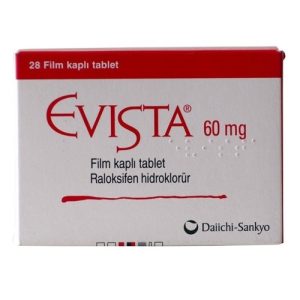
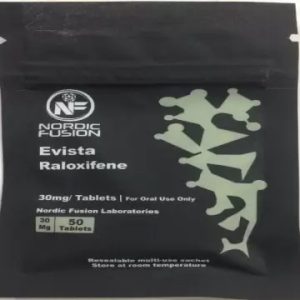
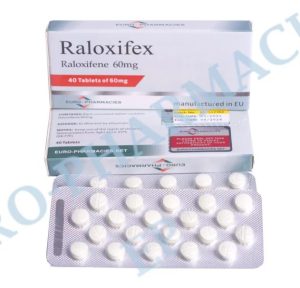
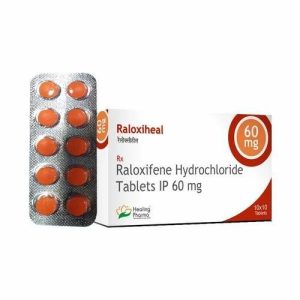
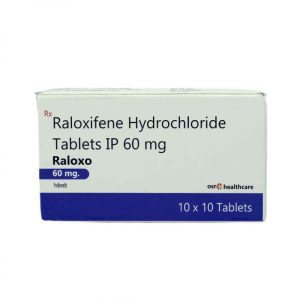
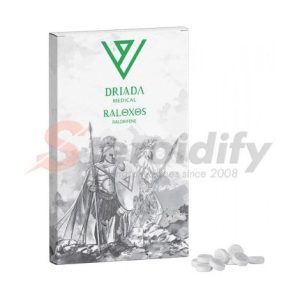
Showing all 7 results
Raloxifene is the one with evidence for established gynecomastia
Most anti-oestrogens in this catalogue are used preventively — taken alongside an aromatising compound to stop gynecomastia developing. Raloxifene is of interest for the harder problem: tissue that has already formed. This section holds 7 lines from £45 to £106, averaging near £61.
Where the evidence comes from
Studies in adolescent boys with persistent pubertal gynecomastia compared raloxifene against tamoxifen and against observation. Raloxifene produced greater reductions in breast tissue than tamoxifen in that setting, with a meaningful proportion showing measurable improvement.
That is a specific population, not men who developed gynecomastia on cycle, and the transfer is an inference rather than a demonstrated result. It is still considerably more than exists for most of what gets recommended for this problem.
The window matters enormously
Gynecomastia progresses from a glandular, inflammatory, responsive phase to a fibrotic one. Once fibrous tissue has formed, no drug reverses it — surgery is the only option. The difference between those phases is measured in months.
Anyone with a tender lump that appeared recently is in the window where a SERM might help. Anyone with painless firm tissue present for a year is not, and no amount of raloxifene will change that. This is the single most important thing to understand before buying it.
How it differs from tamoxifen
Both are SERMs, blocking oestrogen at breast tissue. They differ in behaviour at other tissues and in how they are used: tamoxifen has the larger role in post cycle therapy for restarting the natural axis, while raloxifene’s case here is specifically about breast tissue.
Neither lowers oestrogen. They block its action at the receptor, which is different from what aromatase inhibitors do — a distinction that decides which tool is appropriate.
What it does not address
Prolactin-driven tissue growth, which comes from 19-nor compounds such as nandrolone and needs cabergoline instead. Misreading prolactin symptoms as oestrogenic and reaching for a SERM is a common and unproductive mistake.
Raloxifene is a prescription-only medicine in the UK. Nothing here is medical advice, and a new breast lump warrants a clinical assessment rather than self-treatment.
Why it is not the default choice
Tamoxifen is cheaper, far more widely available, and better established for the post-cycle role. Raloxifene occupies a narrower position: specifically for breast tissue that has already formed, in the window where it can still respond.
That narrowness is why the section is small, and it is also why the pages recommending it interchangeably with tamoxifen are giving poor advice — the two are being chosen for different jobs.
What to do first
Establish what you are actually dealing with. Tender, recently appeared tissue behind the nipple during or after an aromatising compound is one situation. Firm, painless tissue present for a year is another. Fatty tissue in someone carrying body fat is a third, and no drug addresses that one at all.
Those three get confused constantly, and only the first has any realistic chance of responding to anything on this page.
Frequently asked questions
Can raloxifene reverse gynecomastia?
There is evidence for reduction of established tissue in the glandular phase. Fibrotic tissue does not respond to any drug.
Is it better than tamoxifen for this?
In the studies comparing them for gynecomastia, raloxifene produced greater reductions.
How long is the window?
Months. Tender recent tissue may respond; firm painless tissue present for a year will not.
Does it lower oestrogen?
No. It blocks oestrogen at the receptor. Aromatase inhibitors reduce production — a different mechanism.
Will it help with nandrolone-related tissue?
Generally not. That is prolactin-driven and needs a different approach.


