
Natural Testosterone Stimulants
Showing all 8 results
Showing all 8 results
Natural testosterone boosters do not raise testosterone
This is the clearest case in the catalogue of a product category built on a claim that controlled trials do not support. This section holds 8 lines from £44 to £132, averaging near £66.
In men with testosterone already within the normal range, no over-the-counter supplement has been shown to produce a meaningful, sustained increase. That statement covers essentially every ingredient sold on that promise.
What has been tested, and failed
| Ingredient | Result in men with normal levels |
|---|---|
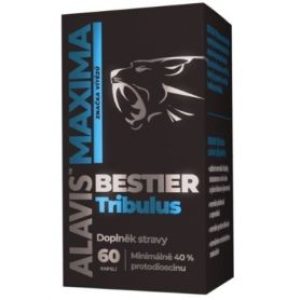
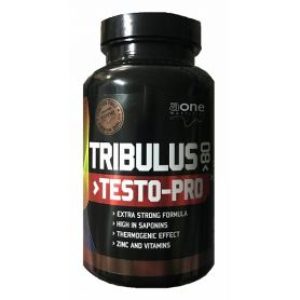
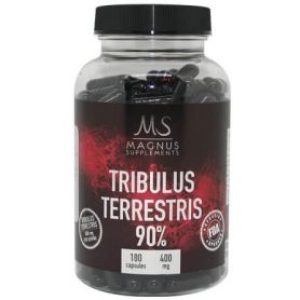
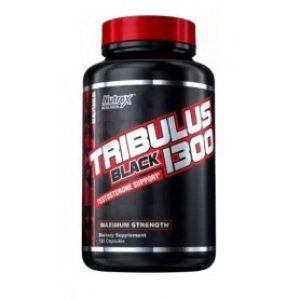
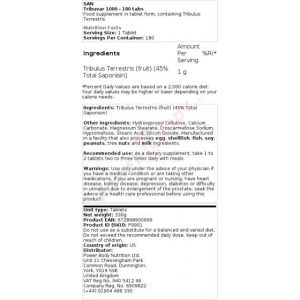
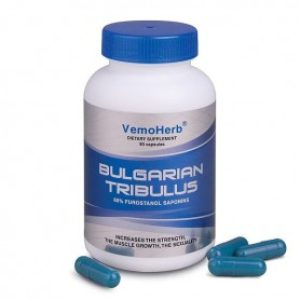
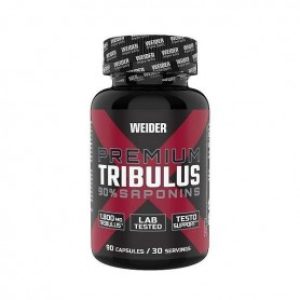
| Tribulus | No increase, including in trained men |
| D-aspartic acid | Early positive result not replicated; some evidence of decline at higher doses |
| ZMA | No increase where zinc status is already adequate |
| Fenugreek, ashwagandha | Mixed, small, inconsistently replicated |
The one real exception
Correcting an actual deficiency does raise testosterone — but only back toward normal, and only if you were deficient. Zinc deficiency impairs testosterone production, and correcting it restores what was lost. Vitamin D deficiency is associated with lower levels, and correcting it in deficient men can help.
The distinction that matters: this is restoration, not enhancement. Someone with adequate zinc gains nothing from more zinc, and no amount of supplementation pushes a normal man above normal.
Why the category persists
Because the symptoms people attribute to low testosterone — fatigue, low mood, poor recovery, reduced libido — are common, non-specific and often caused by sleep, stress, body composition or training load. Those causes respond to changes that are harder than buying a supplement, and improvement from any source gets attributed to whatever was purchased.
Anyone genuinely concerned should get a blood test before buying anything. Actual hypogonadism is a clinical matter with clinical treatment, and no supplement addresses it.
What actually raises testosterone
Exogenous testosterone, at the cost of suppressing your own production. Or compounds that stimulate the natural axis such as enclomiphene, which have genuine evidence behind them and are prescription medicines rather than supplements.
Both are different propositions from anything in this section, in effect and in consequence.
What the ingredients often do instead
Several common inclusions have real effects that are simply not hormonal. Ashwagandha has reasonable evidence for reducing perceived stress and improving sleep quality. Caffeine improves training performance. Vitamin D matters for a great deal beyond testosterone.
Someone taking a blend containing those may genuinely feel better, and attribute it to raised testosterone that never happened. The improvement can be real and the explanation wrong at the same time.
Why the trials keep coming out the same way
The body regulates testosterone through a feedback loop. When levels rise, the hypothalamus and pituitary reduce their signalling; when they fall, signalling increases. A supplement nudging production slightly runs directly into that regulation, which is designed to hold levels where they are.
Overriding it requires either supplying the hormone from outside or interfering with the feedback itself — which is exactly what the compounds that do work actually do, and why they are medicines rather than supplements.
Reading the label
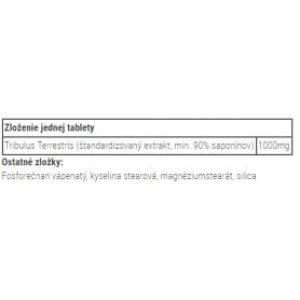
Proprietary blends are common here, so individual ingredient doses are frequently undisclosed. Even where an ingredient has some supporting evidence, that evidence is dose-specific and a blend rarely tells you whether the effective amount is present.
The same pattern runs through the wider sports supplements shelf: a real finding about an ingredient becomes a product claim well beyond what the finding supported, and the blend format makes the gap impossible to check.
Frequently asked questions
Do testosterone boosters work?
Not in men with normal levels. No over-the-counter supplement produces a meaningful sustained increase.
Is there any exception?
Correcting a genuine zinc or vitamin D deficiency restores levels toward normal. That is restoration, not enhancement.
Why do people report feeling better?
The symptoms attributed to low testosterone have many causes, and improvement from any source gets credited to the supplement.
What should I do if I suspect low testosterone?
Get a blood test. Genuine hypogonadism is a clinical matter and no supplement treats it.
What does raise it?
Exogenous testosterone, or axis-stimulating compounds like enclomiphene. Both are medicines, not supplements.


