Research Overview of HCQS 300 mg
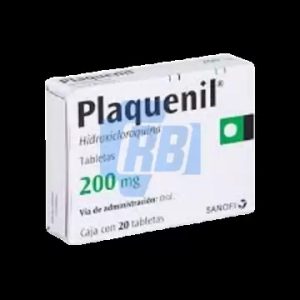
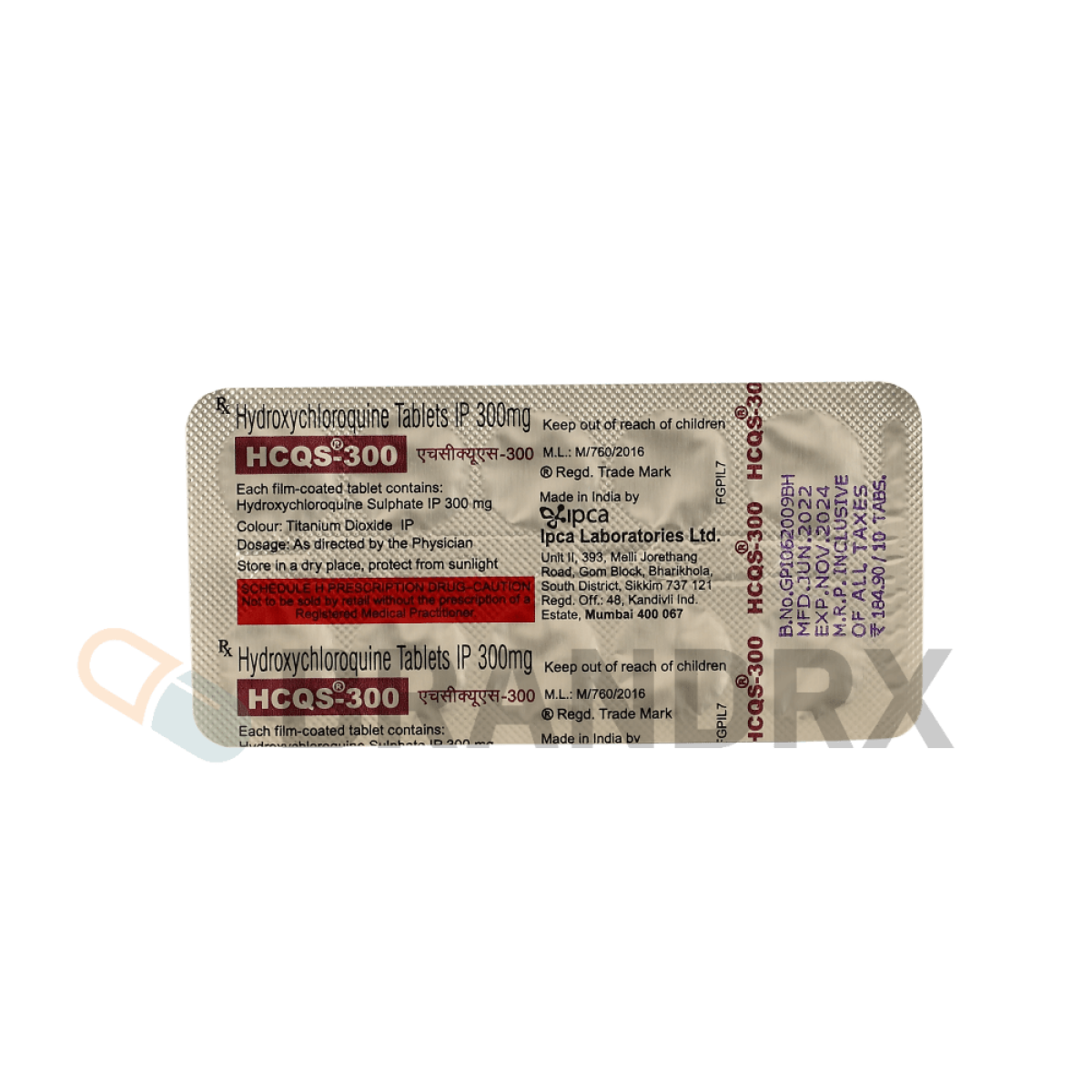
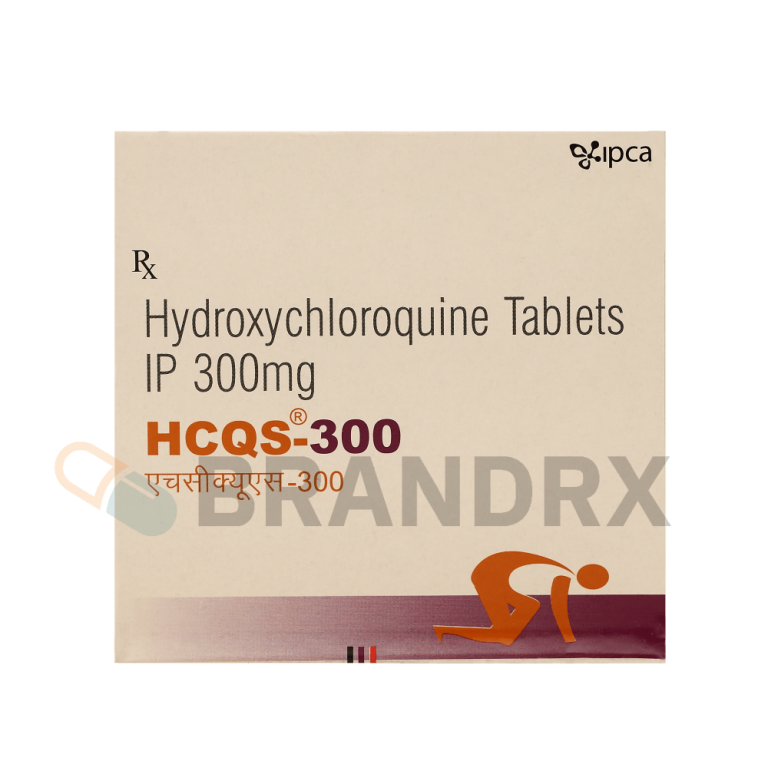
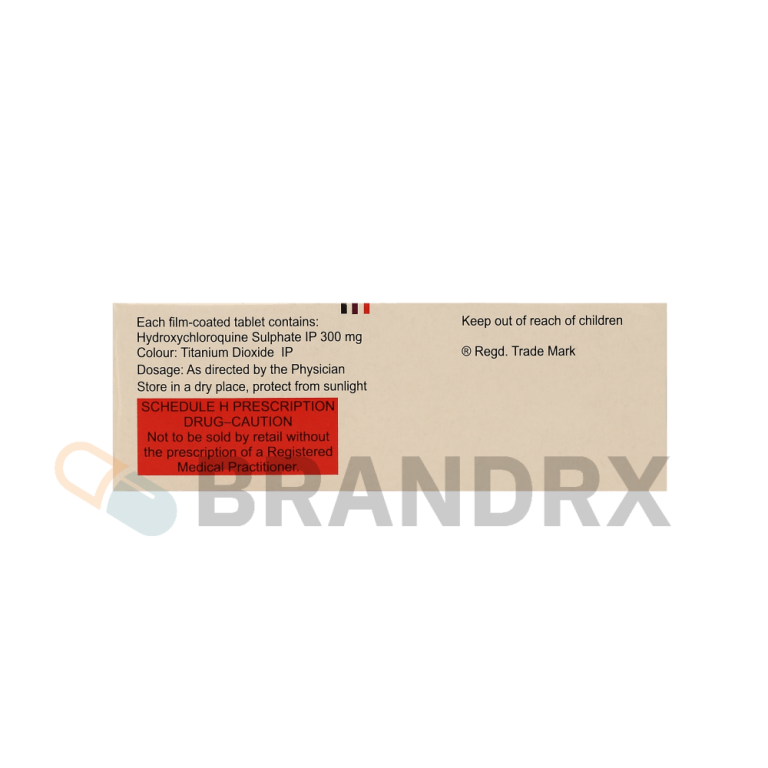
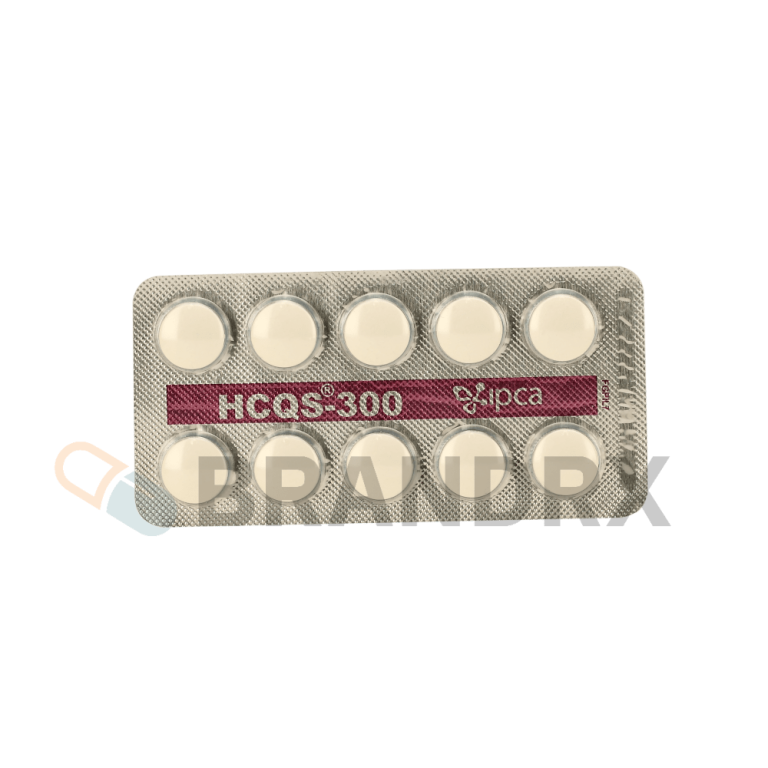
HCQS 300 mg Ipca Laboratories Ltd is a pharmaceutical-grade hydroxychloroquine sulfate formulation manufactured for comprehensive research applications. This established antimalarial compound enables investigators to examine immunomodulatory pathways, autophagy mechanisms, and cellular pH regulation in controlled laboratory environments. Researchers at Stroid UK Shop can utilise this formulation to investigate hydroxychloroquine’s established mechanisms of action across various research protocols.
Laboratory Research Applications
Research scientists analyse HCQS 300 mg to investigate its established mechanisms in antimalarial research, autoimmune pathway modulation, and cellular organelle function studies. The compound’s ability to interfere with lysosomal acidification makes it valuable for autophagy research, while its immunomodulatory properties enable investigation of inflammatory cascade mechanisms. Studies often examine its effects on toll-like receptor signalling, interferon production pathways, and complement activation processes. Investigators working with dermatological research compounds frequently incorporate hydroxychloroquine studies alongside other immunomodulatory agents. Research applications extend to examining its effects on antigen presentation, T-cell activation, and cytokine production in various cell culture models. Scientists also investigate its potential interactions with other research compounds from categories including SARMs and peptides in comprehensive research protocols.
Technical Specifications
| Active Ingredient | Hydroxychloroquine Sulfate |
|---|---|
| Strength | 300 mg per tablet |
| Manufacturer | Ipca Laboratories Ltd |
| CAS Number | 747-36-4 |
| Molecular Formula | C₁₈H₂₈ClN₃O₅S |
| Storage Requirements | Room temperature, dry environment |
| Form | Film-coated tablets |
Research Compliance Statement
HCQS 300 mg Ipca Laboratories Ltd is supplied exclusively for in-vitro research purposes and laboratory investigations. This product is not intended for human consumption, therapeutic use, or any application outside controlled research environments. Researchers must ensure compliance with all applicable regulations and institutional guidelines when conducting studies with this compound.