Research Overview of HCQS Hydroxychloroquine
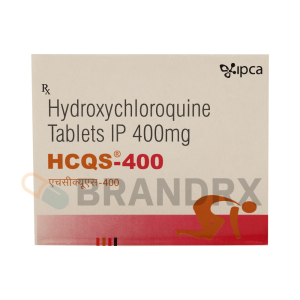
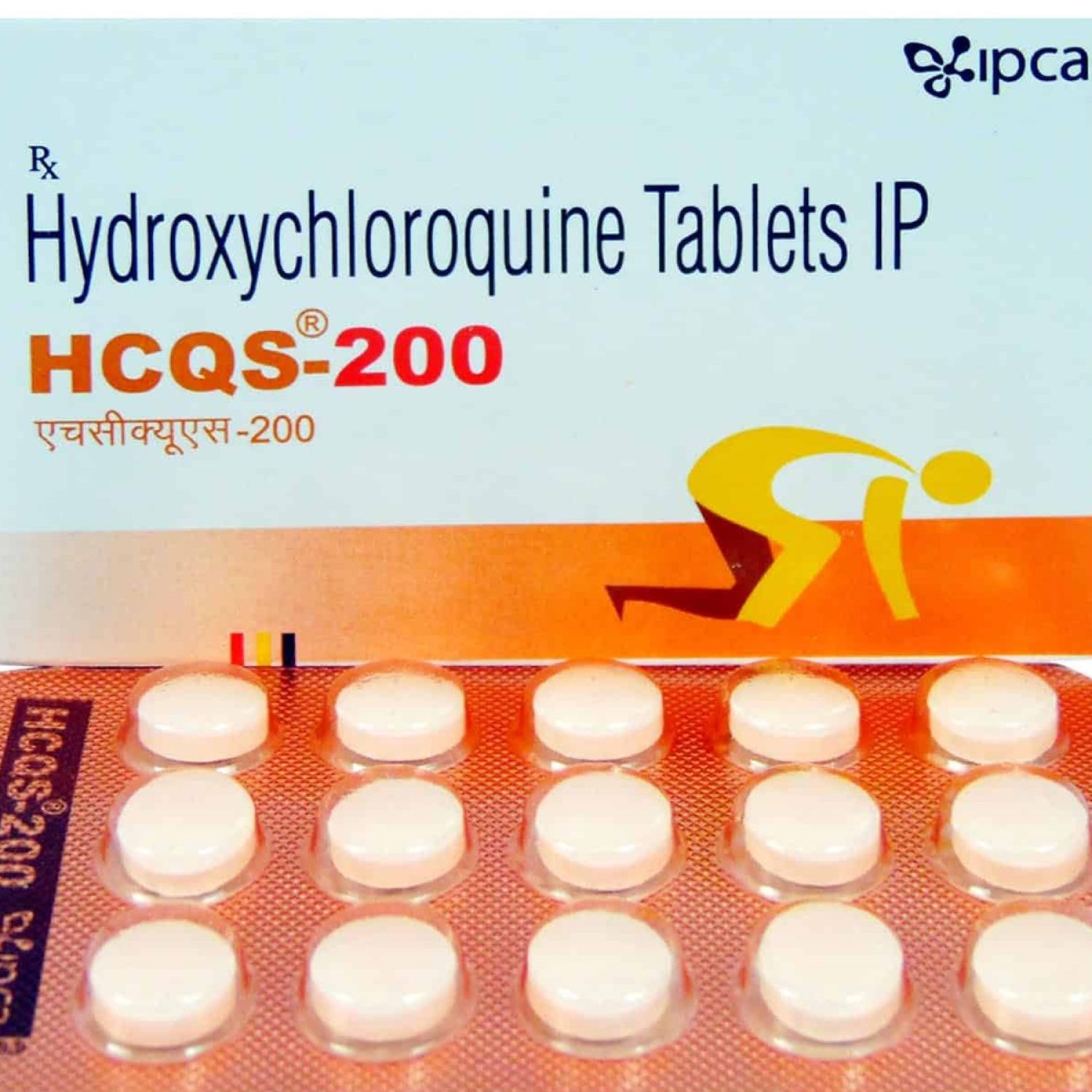
HCQS (Hydroxychloroquine) is a 4-aminoquinoline derivative antimalarial compound manufactured by Ipca Laboratories Ltd for in-vitro laboratory research. Researchers at Stroid UK Shop can examine this pharmaceutical-grade compound’s mechanism involving inhibition of autophagy, interference with antigen processing, and modulation of inflammatory cytokine production in cellular models.
Applications in Laboratory Research
Hydroxychloroquine research encompasses multiple pathways including antimalarial activity through heme polymerisation inhibition and pH modulation in parasitic vacuoles. Scientists investigate its immunomodulatory properties in autoimmune disease models, examining effects on toll-like receptor signalling and interferon production. Studies within our dermatological products category explore its dermatological applications for lupus-related skin manifestations and photosensitivity research. Unlike compounds in our SARMs or peptides categories, hydroxychloroquine offers unique antimalarial and immunological research applications.
Compound Specifications
| Parameter | Specification |
|---|---|
| Chemical Name | Hydroxychloroquine |
| Manufacturer | Ipca Laboratories Ltd |
| CAS Number | 118-42-3 |
| Molecular Formula | C₁₈H₂₆ClN₃O |
| Molecular Weight | 335.87 g/mol |
| Storage | Room temperature, dry environment |
Research Compliance Statement
This HCQS (Hydroxychloroquine) is supplied by Ipca Laboratories exclusively for in-vitro laboratory research purposes. This product is not intended for human consumption, clinical use, or any diagnostic applications. Researchers must possess appropriate laboratory credentials and follow institutional safety protocols when handling this compound. All studies must comply with relevant research guidelines and regulations.