Understanding Hisone
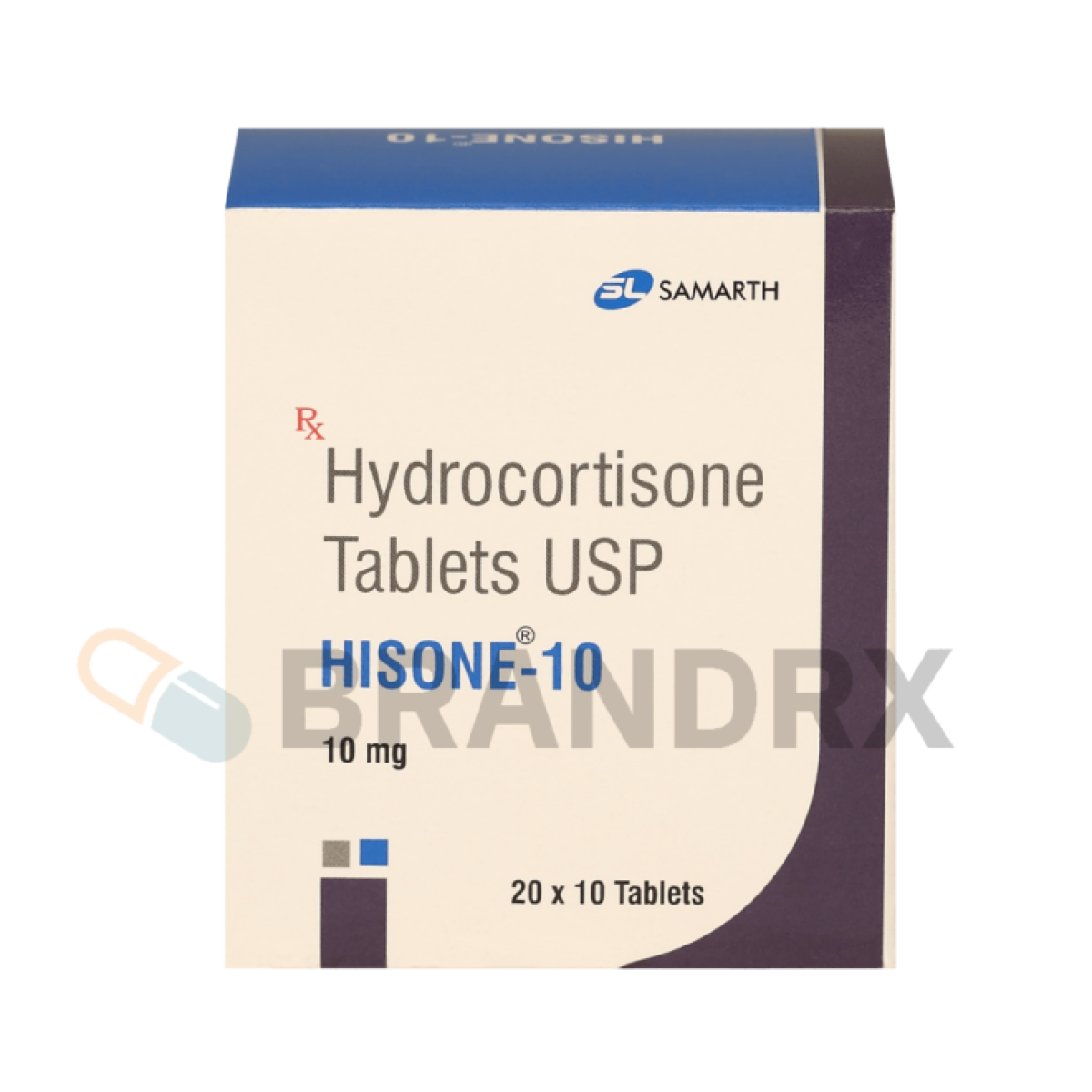
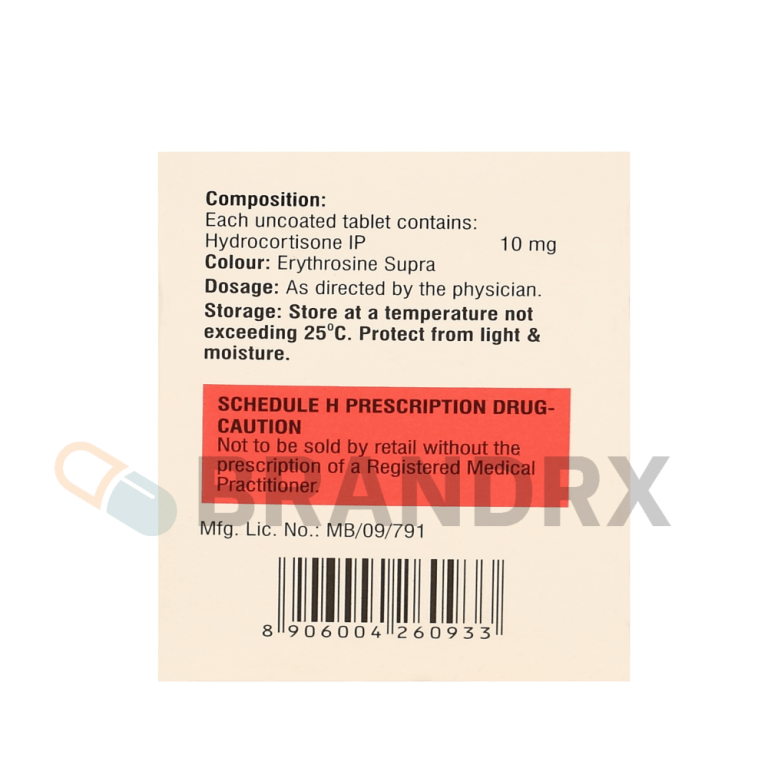
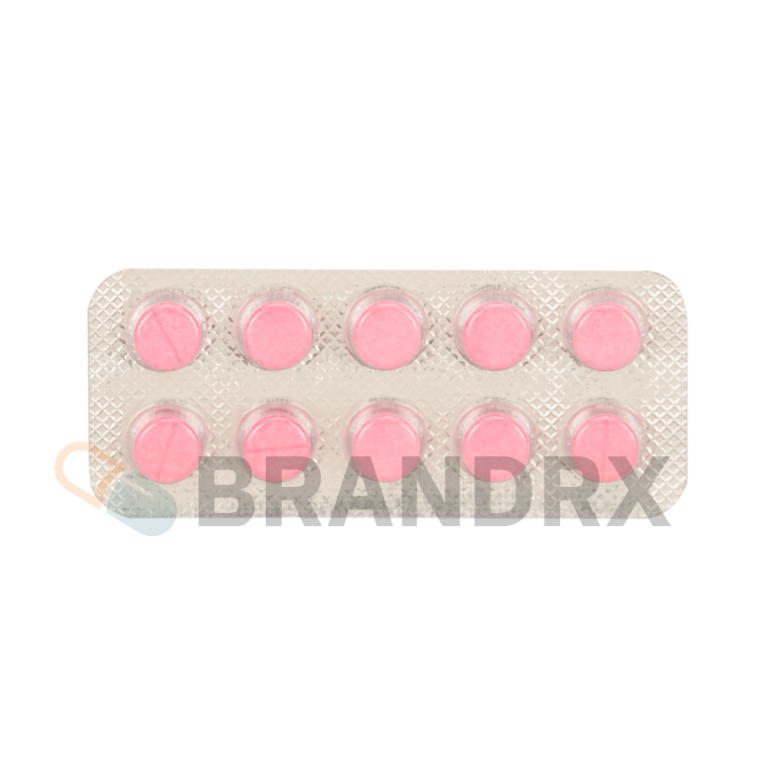
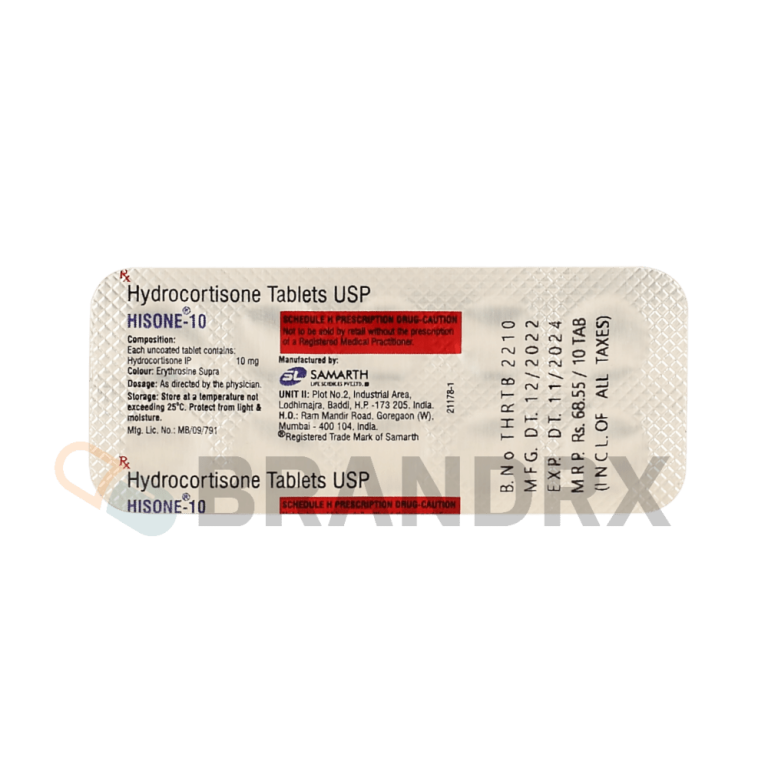
Hisone 10 mg Pharmaceutical is a dermatological research compound formulated for controlled laboratory investigations. This pharmaceutical-grade preparation contains hydroquinone as the active component, designed specifically for in-vitro studies examining melanin biosynthesis pathways and cellular pigmentation mechanisms. Research scientists at Stroid UK Shop utilise this compound to investigate tyrosinase enzyme inhibition and melanocyte cellular responses in controlled experimental environments.
Laboratory Applications
Hydroquinone serves as a fundamental research tool for examining skin pigmentation biology at the cellular level. Laboratory studies focus on its mechanism as a competitive inhibitor of tyrosinase, the rate-limiting enzyme in melanin production. Researchers investigate cellular uptake kinetics, metabolic pathways, and comparative efficacy studies alongside other depigmenting agents. This compound proves valuable in dermatological research applications examining melanogenesis regulation and cellular oxidative stress responses. Studies evaluate concentration-dependent effects on melanocyte viability and melanin content quantification using spectrophotometric analysis methods.
Technical Specifications
| Parameter | Specification |
|---|---|
| Active Compound | Hydroquinone |
| Concentration | 10 mg per unit |
| Form | Pharmaceutical tablet |
| CAS Number | 123-31-9 |
| Molecular Formula | C₆H₆O₂ |
| Molecular Weight | 110.11 g/mol |
| Storage Conditions | Room temperature, dry, protected from light |
| Research Applications | Melanogenesis studies, tyrosinase inhibition |
Researchers conducting comparative studies often examine this compound alongside selective androgen receptor modulators in multi-pathway cellular research designs. Advanced protocols may incorporate peptide modulators to examine complex cellular signalling interactions affecting pigmentation pathways.
Research Compliance
This product is manufactured exclusively for in-vitro research purposes and laboratory investigations. Not intended for human consumption, therapeutic use, or clinical applications. Researchers must maintain appropriate laboratory protocols, safety documentation, and institutional oversight when conducting studies with this compound. All research applications must comply with relevant laboratory safety guidelines and institutional research ethics approval where required.