
Finasteride
Showing 1–12 of 23 results
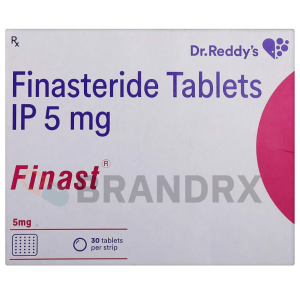
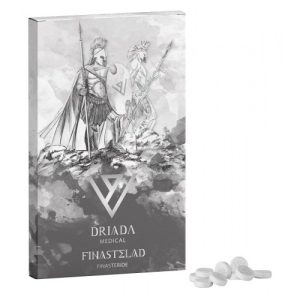
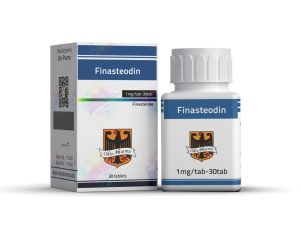
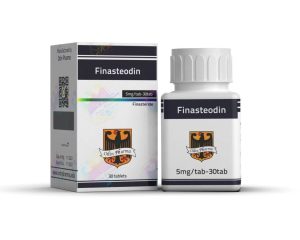
Showing 1–12 of 23 results
Finasteride and steroids: what it does and does not do
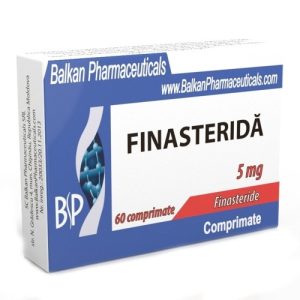
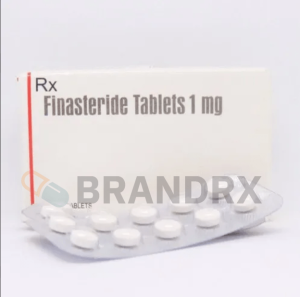
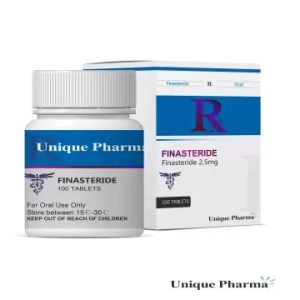
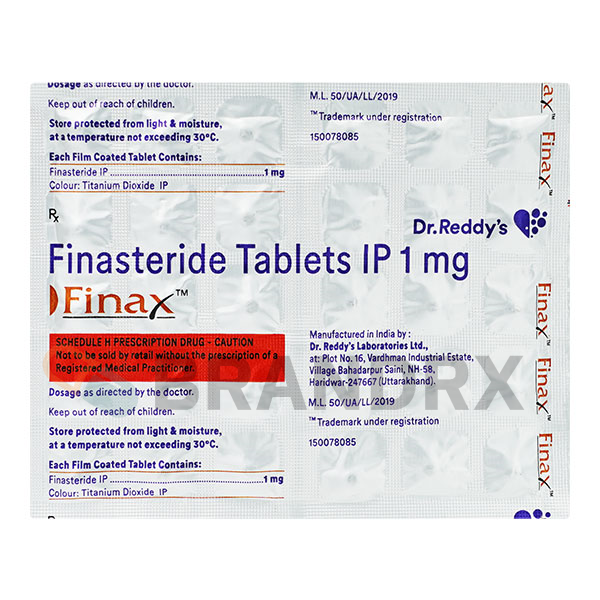
Finasteride inhibits 5-alpha reductase, the enzyme converting testosterone into dihydrotestosterone. Since DHT is what miniaturises follicles in genetically susceptible people, blocking that conversion slows or halts androgenic hair loss. This section holds 23 lines from £32 to £118, averaging near £48, with Balkan Pharmaceuticals and Driada Medical the represented manufacturers.
It sits under PCT in the catalogue, which is a filing convention rather than a statement about use.
The limitation that gets left out
Finasteride only works on compounds that require conversion. It blocks the testosterone-to-DHT pathway, so it helps where testosterone is the driver. It does nothing about compounds that are already DHT derivatives or that act on the follicle without needing 5-alpha reductase.
That means someone running a DHT-derived compound and taking finasteride for protection is, in the strict sense, taking a drug that cannot reach the problem. This is the single most common misunderstanding in this area and it costs people hair while they believe they are covered.
Where it helps and where it does not
| Compound type | Does finasteride help? |
|---|---|
| Testosterone | Yes — this is the pathway it blocks |
| DHT derivatives | No — conversion has already happened |
| 19-nor compounds | Largely not, and may worsen matters |
The 19-nor case matters. Nandrolone is reduced by 5-alpha reductase into a weaker androgen, so inhibiting that enzyme leaves more parent compound circulating — finasteride can make matters worse there.
Side effects worth taking seriously
A minority report reduced libido, erectile difficulty and mood changes. Most resolve on discontinuation. A contested subset describes symptoms persisting afterwards; the frequency and mechanism remain genuinely disputed, but the reports are numerous enough not to dismiss.
Anyone weighing this should know the risk exists and is argued about, rather than hearing only that it is rare.
What else affects the decision
Hair loss on cycle is usually acceleration of a process already underway rather than something created from nothing. Someone with no family history and no thinning at thirty is at far lower risk than someone already receding. The broader treatment options sit in hair and skin, and the compound-selection side is covered across the injectable and oral ranges.
Timing matters more here than almost anywhere else. Miniaturised follicles do not reliably recover, so a decision taken before starting a strongly androgenic compound is worth considerably more than one taken after noticing shedding.
Legal position
Finasteride is a prescription-only medicine in the UK. Supplying it without authorisation is an offence; possession for personal use is not. Nothing here is medical advice.
Frequently asked questions
Will finasteride protect hair on any cycle?
No. It blocks testosterone-to-DHT conversion only. Compounds that are already DHT derivatives are unaffected by it.
Can it be taken only while on cycle?
It can, but the effect is limited to the period it is taken and the underlying genetic process continues afterwards.
Does it help with nandrolone?
Generally not, and it may be counterproductive — 5-alpha reduction weakens nandrolone rather than strengthening it.
How long before any effect is visible?
Several months. Hair growth cycles are slow and nothing meaningful can be judged inside the first three.
Are the sexual side effects common?
A minority report them and most resolve on stopping. Whether a persistent form exists is genuinely disputed rather than settled either way.


