Clomiphene Citrate
Showing 1–12 of 82 results





Showing 1–12 of 82 results
What Clomid does in a PCT context
Clomid PCT refers to using clomiphene citrate after a suppressive cycle to restart the body’s own testosterone production. Clomiphene is a selective oestrogen receptor modulator: it blocks oestrogen feedback at the hypothalamus, the brain reads hormone levels as low, and LH and FSH rise — which is the signal the testes need to resume output. This section carries 55 lines from £24 to £174, with the midpoint at £50.
How it compares with the alternative
| Clomiphene | Tamoxifen | |
|---|---|---|
| Restarts LH and FSH | Yes, strongly | Yes, strongly |
| Visual side effects | Notably more common | Uncommon |
| Mood effects | More frequently reported | Less |
| Receptor blockade in breast tissue | Weaker | Stronger |
On the endpoint that matters — restoring natural testosterone — they perform comparably. The deciding factor is tolerability, which is why tamoxifen tends to be the default. The full comparison is in Clomid versus Nolvadex.
The visual side effect
Clomiphene carries a higher reported incidence of visual disturbance — blurring, floaters, trailing after-images, light sensitivity. It is dose-related and usually resolves after stopping. Usually is not always, and persistent changes are documented. Any visual symptom is a reason to stop and seek medical advice rather than finish the protocol.
Timing
Starting before the suppressive compound has cleared wastes the protocol, because the suppression signal is still present. With a long ester that means waiting two to three weeks after the final injection. Where suppression has been prolonged, the testes may respond sluggishly even once signalling returns — the gap that gonadotropins fill, used before the SERM phase rather than alongside it, as explained in hCG during and after a cycle.
What to measure afterwards
Total testosterone, LH and FSH, taken a few weeks after the protocol ends. Testosterone alone is misleading here — a reading that looks acceptable while LH stays flat means the axis has not actually recovered, and that is precisely the situation you need to detect rather than assume away.
How it is listed
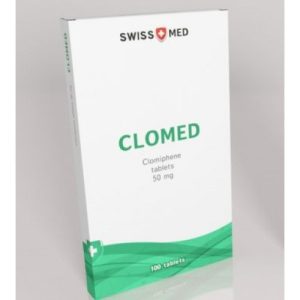
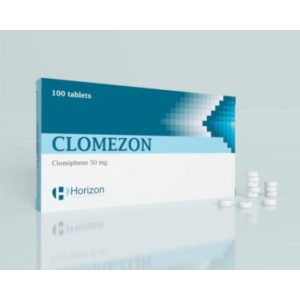
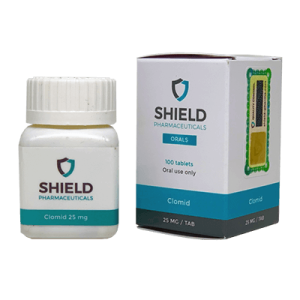
Clomiphene appears as Clomid, Clomiphene Citrate, Clomiford and Clomed across manufacturers, at 25 mg and 50 mg strengths. Dragon Pharma, Pharmaqo Labs and Para Pharma carry the deepest ranges. Bloods after the protocol — total testosterone, LH and FSH — are what tell you whether it worked, and without them you are guessing about the only thing that matters.
Legal position
Clomiphene is a prescription-only medicine in the United Kingdom rather than a controlled drug, so supply without authorisation is an offence while possession for personal use generally is not.
Frequently asked questions
Is Clomid or Nolvadex better for PCT?
They restore testosterone comparably. Tamoxifen has a milder side-effect profile, particularly on vision and mood, which makes it the more common default.
Can Clomid restart testosterone?
That is its mechanism — blocking oestrogen feedback at the hypothalamus raises LH and FSH, which prompts the testes to resume production.
Can I take Clomid on a steroid cycle?
It does nothing useful mid-cycle, because exogenous hormone is suppressing the axis regardless of receptor blockade. Its role is after the compound clears.
Will Clomid build muscle?
Not directly. It restores your own testosterone production, which supports retaining what you gained rather than adding more.
How long is a Clomid PCT protocol?
Typically four to six weeks. Longer is not better, and failure to recover is a reason for bloods and a clinician rather than extending the run.