MK-2866
Showing all 12 results


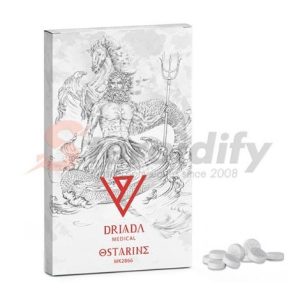



Showing all 12 results
Why ostarine uk searches turn up more real data than the rest
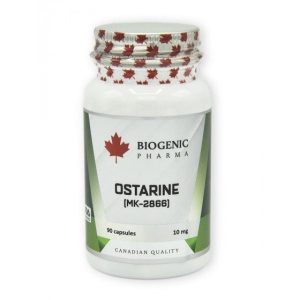
Ostarine, also called MK-2866 or enobosarm, is the most studied compound in the SARMs category by a wide margin. This section holds 12 lines from £39 to £156, averaging near £97.
It reached Phase II and Phase III human trials, which almost nothing else in this category did. That means there is actual controlled data rather than extrapolation from rodent studies.
What those trials measured
Development targeted muscle wasting — cancer cachexia and age-related sarcopenia. The trials measured lean body mass and physical function in patients losing muscle to disease, and ostarine produced measurable gains in lean mass.
Two things follow from that. The compound does something real, and the population studied was nothing like a healthy person training in a gym. Trial data in cachexia does not transfer cleanly to physique use, and the doses differ too.
Why it failed to reach market
The Phase III programme met its lean-mass endpoint but did not adequately meet the physical-function endpoint regulators required. Gaining muscle mass and improving what a patient can actually do turned out to be separable outcomes.
That is a genuinely interesting result and it is rarely mentioned in retail copy: measured mass went up, measured function did not follow as required.
Suppression is milder, not absent
Ostarine is the least suppressive of the commonly used SARMs, which is why it is usually described as the beginner option. Trial data still showed reductions in total testosterone. Milder is a comparison, not a clean bill of health, and a PCT plan is still worth having.
Against RAD-140 it is weaker and better tolerated; against LGD-4033 it is weaker and less suppressive.
The contamination problem is real here
Independent analyses of products sold as ostarine have repeatedly found the wrong compound, no active compound, or a different SARM entirely. This is a bigger risk than the pharmacology for most buyers, and it is the reason the checks in how to check a brand is genuine matter more in this category than in most.
Status in the UK and in sport
Ostarine is not a licensed medicine in the UK and is sold for research purposes. It is prohibited in sport at all times and is one of the most common causes of SARM-related anti-doping violations. Nothing here is medical advice.
Why the beginner framing is half right
Ostarine is routinely recommended as a starting point, and there is something to that: it is the mildest option with the most data behind it. The framing goes wrong when “beginner” gets heard as “consequence-free”. A compound that measurably lowers testosterone in controlled trials is not a supplement, whatever shelf it is sold from.
Dosing in the trials versus dosing in practice
Clinical work used doses at the low end of what circulates in physique use, in patients under supervision, for defined periods. Anyone extrapolating from the trials should note that the doses they are extrapolating to were never the doses tested.
Frequently asked questions
Is ostarine the mildest SARM?
Generally yes, in both effect and suppression. Mildest in a category is not the same as mild.
Did it pass its trials?
It met lean-mass endpoints but not the physical-function requirement, so it was never approved.
Does it need PCT?
Trial data showed testosterone reductions, so plan for it rather than assuming you will be fine.
Why do products test as something else so often?
The category is unregulated and independent analyses find mislabelling repeatedly. Verify the supplier.
Will it fail a drugs test?
Yes, and it is among the most frequently detected substances in SARM-related cases.