
IGF-1 Peptide
Showing 13–24 of 26 results
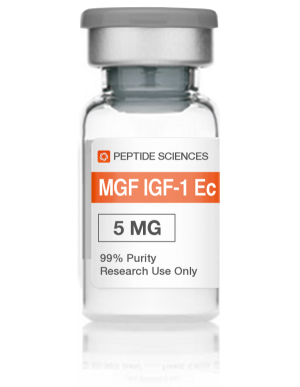
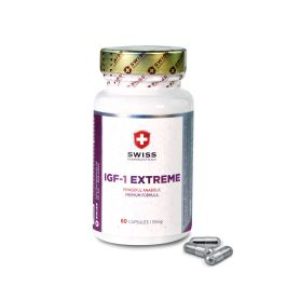
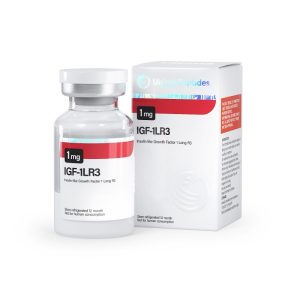
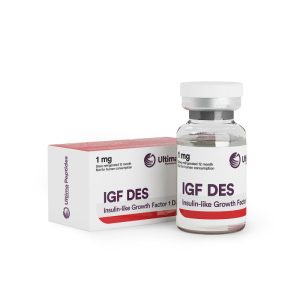
Showing 13–24 of 26 results
What IGF-1 LR3 is
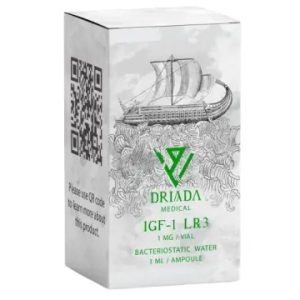
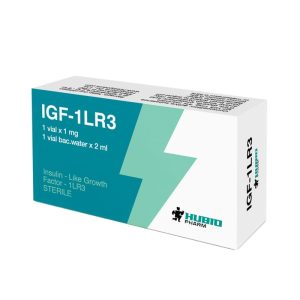
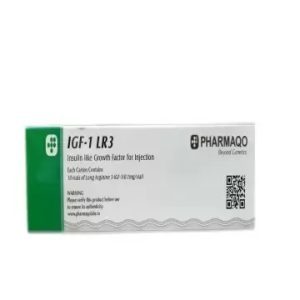
IGF-1 is the hormone that carries out most of what growth hormone is credited with — somatropin largely works by prompting the liver to produce it. LR3 is a modified version, and the modification is the reason the product exists. This section carries 26 lines from £87 to £1,104, clustered near £106 — among the more expensive peptide categories.
Why the LR3 modification exists
Native IGF-1 has a half-life measured in minutes, and most of what circulates is bound to binding proteins and inactive. LR3 carries two changes that reduce binding-protein affinity and extend half-life substantially.
The corollary matters: LR3 is not the hormone your body makes. It is a longer-acting analogue with a different distribution profile, and most of the data cited for it comes from cell culture and animal work rather than human trials.
The risk that gets understated
IGF-1 has meaningful insulin-like activity — it lowers blood glucose. That is the acute risk with this compound, and it is the same category of problem described in the insulin section: not usually as severe, but the same mechanism and deserving the same respect around food timing.
The second concern is that growth signalling is not selective. IGF-1 promotes proliferation in tissue generally, which is why it is used cautiously in medicine and why an existing cancer diagnosis is a genuine contraindication rather than boilerplate.
What the evidence actually shows
The striking claim is muscle hyperplasia — new fibres rather than enlargement of existing ones. That has been demonstrated in animal models and is not established in adult humans at the doses used here. Localised growth from injecting near a target muscle is plausible given the short half-life, but the dramatic site-specific version circulating in gyms is not supported.
Recovery and tissue repair is the better-supported area and remains consistent with IGF-1’s general biological role.
How it relates to growth hormone
Blood IGF-1 is the standard marker for whether growth hormone is doing anything — a somatropin protocol that has not raised IGF-1 is not working. Supplying IGF-1 directly therefore skips the pituitary and liver entirely, which is efficient and removes a regulatory step the body uses to control the process.
That trade-off is the same one described for T3 against T4: bypassing a conversion step makes a compound faster and stronger, and also removes the buffer that made the slower version safer.
Handling and authenticity
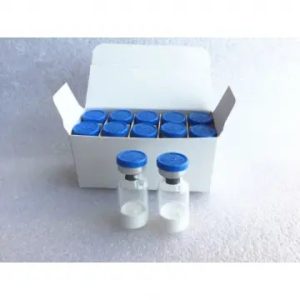
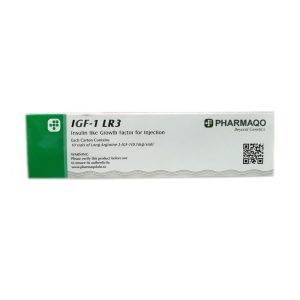
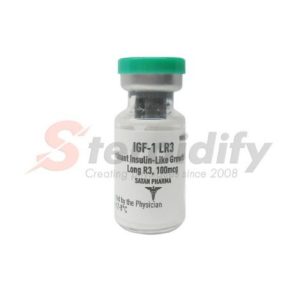
Expensive to produce and short-lived in solution, which makes it an attractive substitution target. A cheap IGF-1 listing deserves the same scepticism as cheap growth hormone — see how to check a brand is genuine. Cold handling matters from arrival, not just after reconstitution. Pharmaqo Labs and Magnus Pharmaceuticals carry the stocked lines. Full detail in what IGF-1 actually does.
Frequently asked questions
How risky is IGF-1 LR3?
The acute risk is hypoglycaemia through its insulin-like activity. The longer-term concern is non-selective growth signalling.
Does IGF LR3 increase testosterone?
No. It acts on the growth axis rather than the reproductive one and does not affect testosterone by that route.
Is IGF-1 LR3 better than HGH?
It is downstream of HGH rather than better — it bypasses the pituitary and liver, which removes a regulatory step.
Does it grow muscle in a specific area?
Some local effect is plausible given the half-life, but the dramatic site-specific claims are not supported in humans.
Why is it so expensive?
Recombinant production rather than peptide synthesis, and low volume. A cheap listing is a warning.


