Advanced Peptide Research Overview
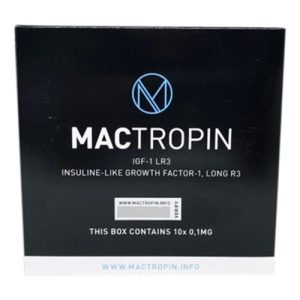
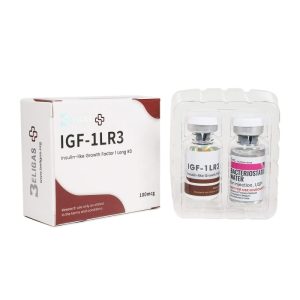
IGF-1 LR3 Pharmaceutical is an extended-release insulin-like growth factor-1 analogue engineered for enhanced research applications. This modified peptide incorporates an N-terminal extension and amino acid substitution at position 3, resulting in significantly reduced binding affinity to IGF binding proteins compared to native IGF-1. Researchers at Stroid UK Shop investigate this compound for its extended half-life and improved stability characteristics in cellular studies. The pharmaceutical-grade formulation enables consistent results across various experimental protocols examining growth factor signalling pathways.
Laboratory Research Applications
Research teams commonly examine IGF-1 LR3 in cell culture studies investigating proliferation, differentiation, and metabolic processes. The compound’s reduced protein binding allows for more predictable bioavailability in experimental systems. Studies focus on its interaction with IGF-1 receptors and subsequent activation of downstream signalling cascades including PI3K/Akt and MAPK pathways. Comparative research often evaluates IGF-1 LR3 against standard growth factors available in our IGF-1 peptide collection. Advanced laboratories utilise this peptide alongside complementary compounds from our SARMs research portfolio and broader peptides catalogue for comprehensive growth factor research protocols.
Technical Specifications
| Parameter | Specification |
|---|---|
| Molecular Weight | Verify with supplier |
| Sequence Length | 83 amino acids |
| CAS Number | Verify with supplier |
| Storage Temperature | -20°C (lyophilised), 2-8°C (reconstituted) |
| Reconstitution | Bacteriostatic water recommended |
| Stability | Use within 30 days post-reconstitution |
Research Compliance Statement
IGF-1 LR3 Pharmaceutical is supplied exclusively for in-vitro laboratory research purposes. This product is not intended for human consumption, therapeutic application, or any form of in-vivo administration. Researchers must maintain appropriate biosafety protocols and institutional approval when handling this peptide. All studies should comply with relevant laboratory guidelines and ethical research standards. Storage and handling must follow established peptide preservation protocols to maintain research integrity.