Ultima-IGF-1 DES — Research Summary
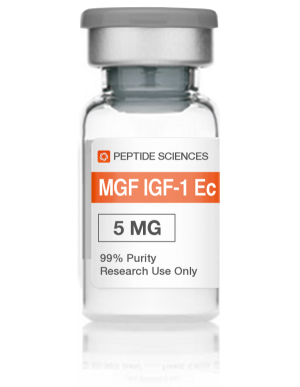
Ultima-IGF-1 DES 1mg is a synthetic analogue of insulin-like growth factor-1 that has been modified through N-terminal truncation to remove the first three amino acids. This modification creates a highly potent research compound for investigating IGF-1 receptor binding mechanisms and tissue-specific responses in controlled laboratory environments. Researchers at Stroid UK Shop utilise this peptide to examine how structural modifications affect receptor affinity and downstream signalling cascades in cellular models.
Laboratory Applications
The DES variant demonstrates significantly enhanced potency compared to standard IGF-1 in research applications, making it valuable for investigating growth factor biology at lower concentrations. Studies examine its interaction with IGF-1 receptors and insulin receptors to understand cross-reactivity patterns. Researchers analyse its effects on protein synthesis pathways, cellular proliferation markers, and metabolic signalling in various cell lines. This compound proves particularly useful when investigating tissue-specific responses, as its truncated structure affects its binding to IGF-binding proteins. Many laboratories studying growth factor mechanisms source this peptide from our comprehensive IGF-1 peptide collection alongside related research compounds available in our peptides section and selective modulators from our SARMs catalogue.
Technical Specifications
| Parameter | Specification |
|---|---|
| Chemical Name | IGF-1 DES (1-3) |
| Molecular Weight | Verify with supplier |
| CAS Number | Verify with supplier |
| Purity | ≥98% (HPLC verified) |
| Storage Conditions | -20°C lyophilised, 2-8°C reconstituted |
| Solubility | Water, bacteriostatic water |
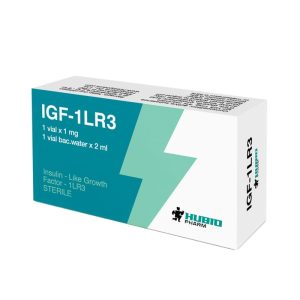
| Presentation | Lyophilised powder, 1mg per vial |
Compliance Statement
This Ultima-IGF-1 DES 1mg preparation is intended exclusively for in-vitro research applications and laboratory analysis. This product is not intended for human consumption, therapeutic use, or any clinical applications. Researchers must ensure appropriate safety protocols and regulatory compliance when handling this research chemical. All peptide research should be conducted in properly equipped laboratory facilities by qualified personnel following institutional guidelines for research chemical handling.