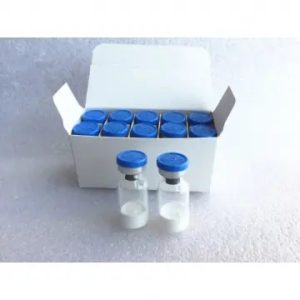

IGF-1 LR3 Research Overview
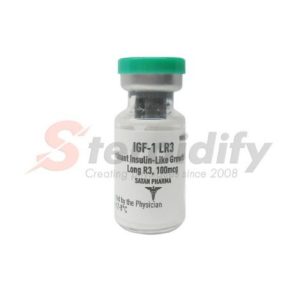
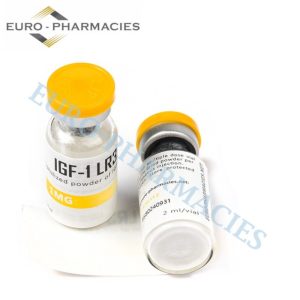
IGF-1 LR3 is a recombinant analogue of human insulin-like growth factor-1 with extended activity duration. This modified peptide incorporates an arginine substitution at position 3 and a 13-amino acid N-terminal extension, significantly extending its half-life compared to native IGF-1. Researchers at Stroid UK Shop study this peptide for its enhanced stability and prolonged biological activity in cellular models. The structural modifications prevent binding to IGF-binding proteins, allowing for more consistent research outcomes in laboratory environments.
Laboratory Research Applications
Scientific investigations examine IGF-1 LR3’s role in cellular proliferation, protein synthesis regulation, and metabolic pathway modulation. Cell culture studies demonstrate its capacity to stimulate anabolic processes and examine growth factor signalling cascades. Researchers investigating myoblast differentiation and muscle cell biology frequently utilise this peptide in their experimental protocols. Studies in our IGF-1 peptide collection focus on understanding growth factor receptor interactions and downstream signalling mechanisms. The extended bioactivity window makes this compound particularly valuable for longitudinal cellular studies requiring sustained growth factor exposure.
Research Specifications
| Parameter | Specification |
|---|---|
| Molecular Weight | 9117.5 Da |
| Sequence Length | 83 amino acids |
| N-terminus Extension | 13 amino acids |
| Half-life Extension | 20-30 hours vs 12-15 minutes (native IGF-1) |
| Storage Conditions | Lyophilised: -20°C; Reconstituted: 2-8°C |
| Solubility | Water, saline buffer solutions |
Researchers also investigate related compounds from our SARMs category and peptides section for comparative growth factor studies and receptor pathway analysis.
Research Use Compliance
IGF-1 LR3 USA PEPTIDES is intended exclusively for in-vitro research applications by qualified laboratory personnel. This product is not approved for human consumption, therapeutic use, or any clinical applications. Researchers must adhere to institutional biosafety protocols and applicable regulations when handling this research chemical. All studies should be conducted in controlled laboratory environments with appropriate safety measures and documentation procedures.