Advanced Peptide Fragment for Laboratory Investigation
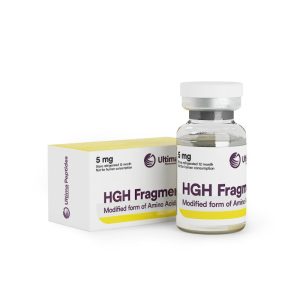
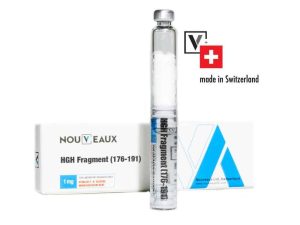
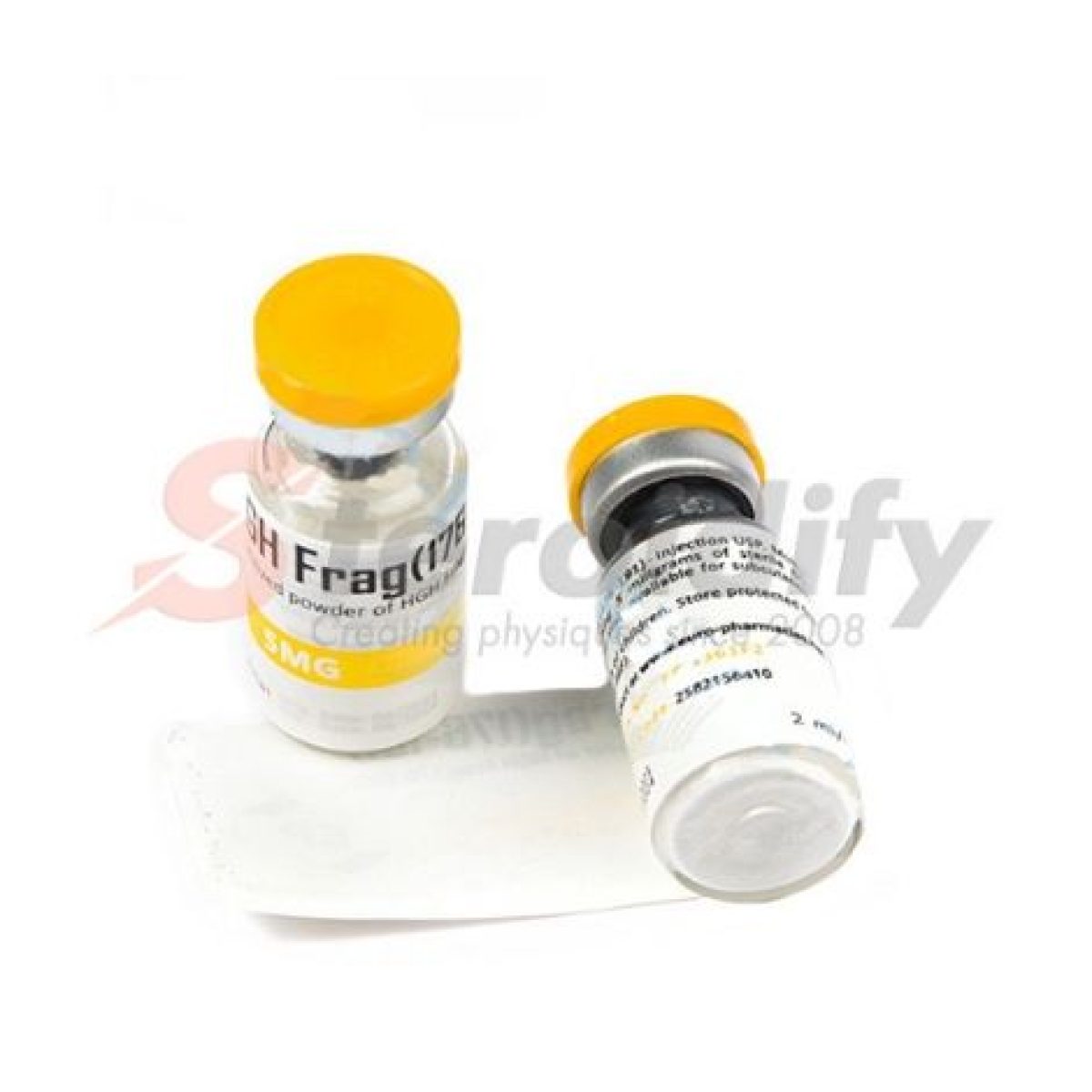
HGH Frag(176-191) GOLD is a synthetic peptide fragment consisting of amino acids 176-191 from the C-terminus of human growth hormone, manufactured by Euro-Pharmacies for sophisticated in-vitro research applications. This specific fragment represents the lipolytic domain of the growth hormone molecule, allowing researchers to examine metabolic signalling pathways and fat oxidation mechanisms in controlled laboratory environments. When purchasing from Stroid UK Shop, researchers receive pharmaceutical-grade peptide preparations suitable for demanding analytical protocols.
Research Applications in Metabolic Studies
Scientists investigate this growth hormone fragment in cellular metabolism research, examining its effects on adipocyte function and lipid mobilisation pathways. The peptide has been studied extensively in preclinical models investigating growth hormone receptor signalling and downstream metabolic cascades. Research applications include adipose tissue biology studies, lipolytic enzyme activation analysis, and metabolic pathway mapping in cell culture systems. Laboratories exploring frag 176-191 peptide research utilise this fragment to understand growth hormone-independent metabolic effects, while institutions studying broader peptide interactions often compare results with SARM research compounds and other peptide modulators to establish comprehensive metabolic profiles.
Technical Specifications
| Parameter | Specification |
|---|---|
| Product Name | HGH Frag(176-191) GOLD 5mg |
| Manufacturer | Euro-Pharmacies |
| Quantity | 5mg per vial |
| Purity | Verify with supplier |
| Molecular Formula | Verify with supplier |
| CAS Number | Verify with supplier |
| Storage | Lyophilised: -20°C, Reconstituted: 2-8°C |
| Stability | Use within 30 days after reconstitution |
Laboratory Research Compliance
This HGH Frag(176-191) GOLD 5mg preparation is manufactured exclusively for in-vitro research purposes and is not intended for human consumption or therapeutic use. Researchers must ensure proper laboratory protocols, including appropriate storage conditions, sterile handling procedures, and disposal methods according to institutional guidelines. All peptide research should be conducted within approved laboratory facilities by qualified personnel familiar with peptide handling and analysis techniques.