
Finasteride Research Overview
Finasteride is a synthetic 5α-reductase inhibitor belonging to the 4-azasteroid class of compounds. Originally developed as a pharmaceutical agent, this compound has become an essential research tool for investigating hormonal pathways and enzyme inhibition mechanisms in laboratory settings. Research teams at Stroid UK Shop utilise finasteride to examine the conversion pathways between testosterone and dihydrotestosterone (DHT) in controlled experimental environments.
Laboratory Research Applications
In vitro studies examine finasteride’s selective inhibition of 5α-reductase type II enzyme, which catalyses the conversion of testosterone to dihydrotestosterone. Research protocols investigate how this mechanism affects cellular proliferation in prostate tissue cultures and follicular development in dermatological studies. Comparative analyses with other aromatase inhibitors and finasteride compounds demonstrate its unique specificity for 5α-reductase over other steroid-metabolising enzymes. Metabolic research examines finasteride’s role in androgenic signalling pathways and its effects on hormone-dependent cellular processes.
Advanced biochemical investigations study finasteride’s competitive inhibition kinetics and binding affinity to explore enzyme-substrate interactions. Research teams analyse its pharmacological properties alongside other research compounds including SARMs and peptides to understand comprehensive hormonal modulation mechanisms. Laboratory protocols examine concentration-dependent effects and time-course studies to establish optimal experimental parameters for various research applications.
Product Specifications
| Parameter | Specification |
|---|---|
| CAS Number | 98319-26-7 |
| Molecular Formula | C₂₃H₃₆N₂O₂ |
| Molecular Weight | 372.55 g/mol |
| Purity | Verify with supplier |
| Storage | Room temperature, dry conditions |
| Solubility | DMSO, ethanol |
Research Compliance Statement
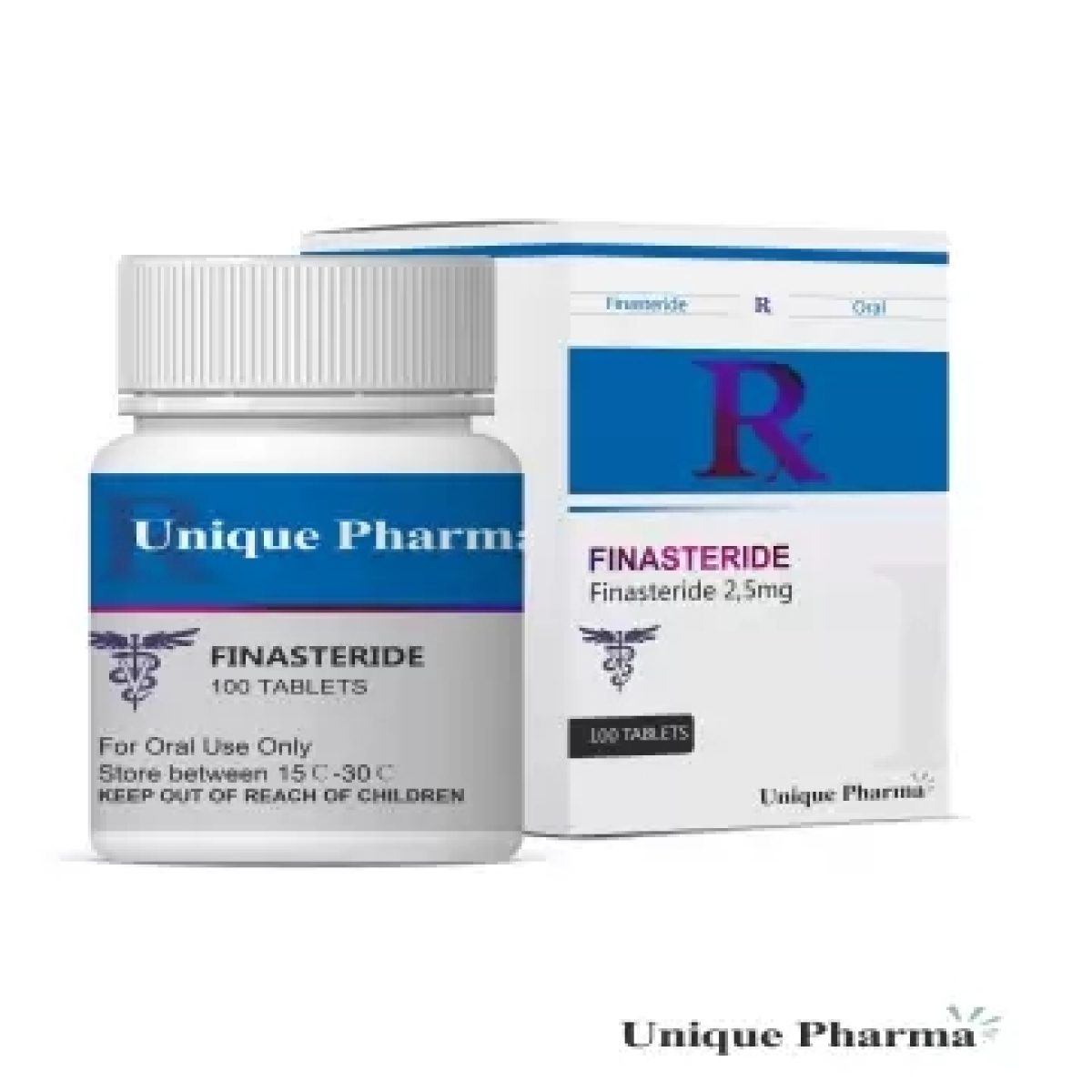
This finasteride product from Unique Pharma is manufactured exclusively for in-vitro laboratory research applications and investigational studies. This compound is not intended for human consumption, therapeutic use, or any application outside controlled laboratory environments. Researchers must ensure compliance with institutional guidelines and regulatory requirements when conducting studies with this research chemical. All experimental protocols should follow established laboratory safety procedures and appropriate handling measures for research-grade compounds.