
Finasteride Research Overview
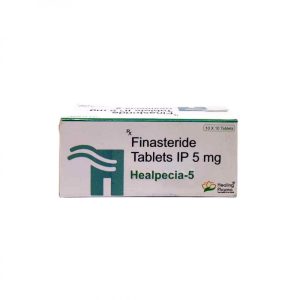
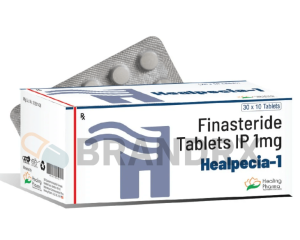
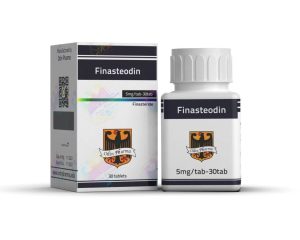
Finasteride is a synthetic 5α-reductase inhibitor that has become a cornerstone compound in endocrine research laboratories worldwide. This azasteroid derivative selectively inhibits the type II 5α-reductase enzyme, effectively blocking the conversion of testosterone to dihydrotestosterone (DHT) in cellular models. Researchers at Stroid UK Shop utilise this compound to investigate hormonal pathways, enzyme kinetics, and steroid metabolism in controlled laboratory environments.
Laboratory Research Applications
In research settings, finasteride serves as a valuable tool for examining the physiological role of DHT in various biological processes. Cell culture studies have demonstrated its efficacy in modulating androgen-dependent pathways, making it essential for investigating prostate tissue biology, hair follicle development, and sebaceous gland function. Molecular biologists frequently incorporate this compound into their protocols when studying androgen receptor interactions and downstream signalling cascades. The compound’s well-characterised mechanism of action makes it particularly useful for comparative studies alongside other hormonal modulators available in our aromatase inhibitors and finasteride collection. Research laboratories also employ finasteride in combination with selective androgen receptor modulators to create comprehensive experimental models for understanding tissue-specific androgen sensitivity. Additionally, peptide researchers often reference finasteride studies when examining growth factor interactions with hormonal pathways in their experimental frameworks.
Chemical Specifications
| Parameter | Value |
|---|---|
| CAS Number | 98319-26-7 |
| Molecular Formula | C₂₃H₃₆N₂O₂ |
| Molecular Weight | 372.55 g/mol |
| Chemical Class | 5α-reductase inhibitor |
| Storage Conditions | Room temperature, dry environment |
| Manufacturer | Alium |
Research Compliance Notice
This finasteride preparation is manufactured exclusively for in-vitro laboratory research applications and is not intended for human consumption or therapeutic use. Researchers must ensure appropriate safety protocols and regulatory compliance when conducting studies with this compound. All investigations should be performed in controlled laboratory environments with proper documentation and oversight.