
Branched-Chain Amino Acids
Showing all 10 results
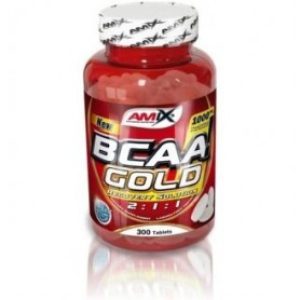

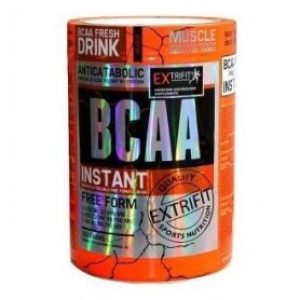

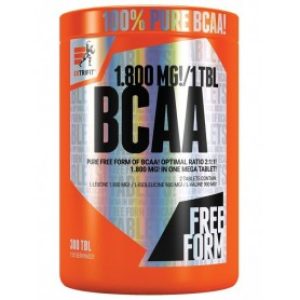
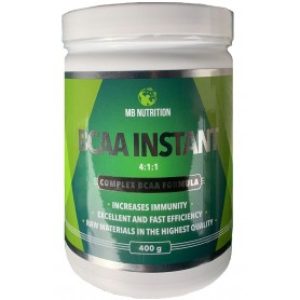
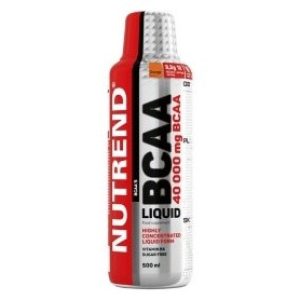
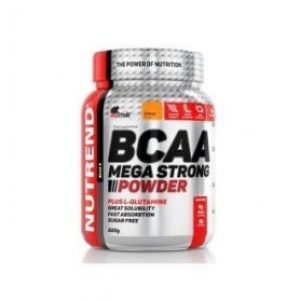
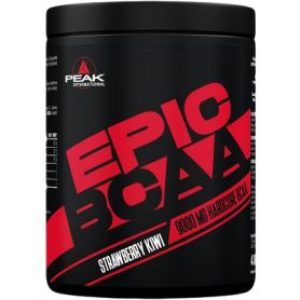
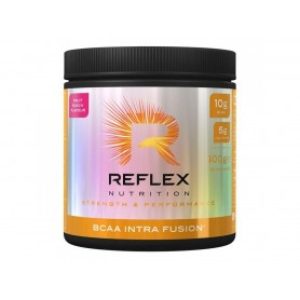
Showing all 10 results
BCAA uk demand outlived the evidence supporting it
Branched-chain amino acids — leucine, isoleucine and valine — were among the most sold supplements of the last two decades. The research has not been kind to them. This section holds 10 lines from £57 to £132, averaging near £65.
Why the case weakened
The original argument was that leucine triggers muscle protein synthesis, so supplying it directly should increase it. The trigger part is correct. The problem is what comes next.
Building muscle protein requires all the essential amino acids, not three of them. Supplying leucine initiates the process, and if the other six essentials are not available the process cannot proceed far. Studies comparing BCAAs against a complete protein consistently favour the complete protein.
Which makes them redundant for most people
Anyone eating adequate protein from food or whey is already getting these three amino acids in quantity, along with everything else needed. Adding isolated BCAAs to a diet that already contains sufficient protein adds cost rather than effect.
That is the finding, and it is worth stating plainly on a page selling them.
Where they still make sense
Two narrow cases hold up. Someone genuinely unable to reach protein targets — from appetite loss, illness, or a restrictive diet — is in a different position from someone already eating well. And training fasted for reasons of preference or schedule, where a complete protein would break the fast, is a real if minor use case.
Outside those, food or a complete protein does the job better and more cheaply.
What about EAAs
Essential amino acid products contain all nine and do not have the incompleteness problem. Where an amino acid supplement is genuinely wanted, EAAs are the better-reasoned purchase, though whey protein remains cheaper still.
The wider picture on what survives scrutiny is in sports supplements, and the one product that clearly does is creatine.
How this became conventional wisdom
The leucine finding arrived in the early 2000s and was genuinely important muscle biology. The supplement market extrapolated from “leucine initiates protein synthesis” to “leucine supplementation builds muscle” — a step the research never took — and a very large product category grew from the gap.
It is a useful example of how a real mechanism becomes an overstated product, and the same pattern is visible across the supplements shelf.
Frequently asked questions
Do BCAAs build muscle?
They trigger the process but cannot complete it. All nine essential amino acids are needed for that.
Are they worth taking with enough protein?
Generally no. Adequate protein already supplies them along with everything else required.
When are they actually useful?
When protein intake genuinely cannot be met, or when training fasted by preference.
Are EAAs better?
Better reasoned, since they contain all nine. Whole protein is still cheaper for the same result.
Why were they so popular?
The leucine-trigger finding was real and got extrapolated well beyond what it supported.


