
Protein
Protein products.
Showing 1–12 of 31 results
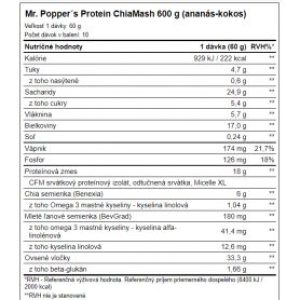
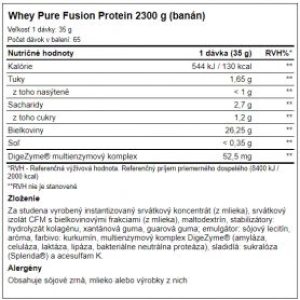
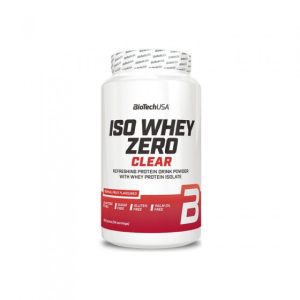
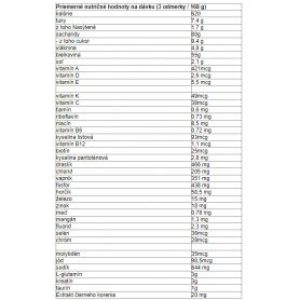
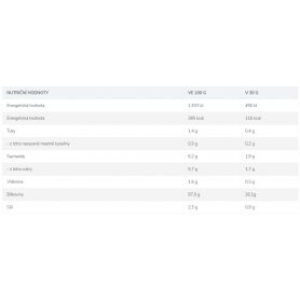

Showing 1–12 of 31 results
What whey protein is
Whey is one of the two proteins in milk, separated during cheese production and dried into powder. It is a food rather than a supplement in any meaningful sense — the reason it works is that it is protein, not that it is a product. This section carries 31 lines from £20 to £132, clustered near £44.
It is also, alongside creatine, one of the very few things in this catalogue with a genuinely strong evidence base.
The three forms, and whether the difference matters
| Form | Protein content | Worth paying for? |
|---|---|---|
| Concentrate | ~70–80% | Yes — the default for most people |
| Isolate | ~90% | Only if lactose is a problem |
| Hydrolysate | ~90%, pre-digested | Rarely — marginal absorption benefit |
Concentrate is adequate for almost everyone. Isolate is worth the premium if lactose causes you problems, since most of it is removed. Hydrolysate is absorbed marginally faster, and that speed difference does not translate into a measurable outcome difference for anyone training normally.
How much you actually need
Around 1.6 g per kilogram of bodyweight daily covers the evidence-supported range for muscle growth, with diminishing returns above roughly 2.2 g. That is total daily protein from all sources — powder is a convenience for hitting the number, not an addition to it.
If you already reach that from food, a powder adds nothing beyond convenience. That is worth stating plainly, because the marketing in this category implies otherwise. The wider evidence picture is in what actually has evidence, and the composition question in what whey protein is made of.
Timing, and why it matters less than claimed
The “anabolic window” — the idea that protein must be consumed within thirty minutes of training — has not held up. Total daily intake matters considerably more than timing, and spreading protein across the day is a reasonable habit rather than a critical one. Someone hitting their daily target at any distribution will do essentially as well as someone timing it precisely.
Whey against the alternatives
Casein is the other milk protein and digests considerably more slowly, which is why it is sometimes taken before sleep. Plant proteins — pea, rice, soy — are viable but individually have less complete amino acid profiles, so blends are usual. For anyone without a dietary restriction, whey remains the default because it is cheap, complete and well studied rather than because it is superior in any dramatic sense.
The contamination caveat
Supplements are not assessed for content before sale, and contamination with banned substances is documented. Under strict liability an inadvertent positive is still yours. If you compete under anti-doping rules, use only products carrying batch-level third-party certification and verify the batch number rather than trusting the brand. We do not hold certification data for the lines stocked here.
Related products sit in sports supplements and amino acids — though BCAAs add nothing if your total protein intake is already adequate.
What to check on a label
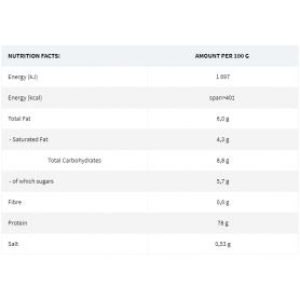
Protein per serving relative to serving size is the only number that matters. A 30 g scoop delivering 21 g of protein is 70% — consistent with concentrate. Products listing a large serving size with a modest protein figure are padded with carbohydrate or flavouring, which is where cost per gram of actual protein diverges sharply from cost per kilogram of powder.
Frequently asked questions
What does whey protein do for you?
It supplies protein. Where total daily intake is otherwise short of requirement, that supports muscle repair and growth; where intake is already adequate, it adds convenience rather than effect.
Why do doctors say no to whey protein?
Generally they do not, for healthy people. Caution applies with existing kidney disease, where protein intake may need managing, and to the contamination risk for tested athletes.
What is whey protein made of?
The liquid fraction of milk left after curds form during cheese production, filtered and dried. Concentrate, isolate and hydrolysate differ in how far that filtration goes.
Is isolate worth the extra cost?
If lactose causes you problems, yes. Otherwise concentrate delivers the same protein for less money.
How much protein per day?
Around 1.6 g per kilogram of bodyweight covers the evidence-supported range, with diminishing returns above roughly 2.2 g.


