
Musclebody Nutrition – Bcaa Complex 4:1:1 400g MB Nutrition at a Glance
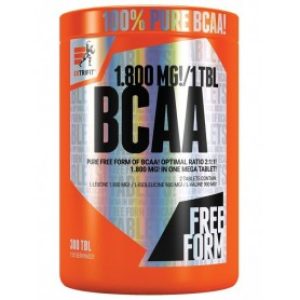
BCAA Complex 4:1:1 is a branched-chain amino acid supplement containing leucine, isoleucine, and valine in a 4:1:1 ratio. This formulation provides essential amino acids that cannot be synthesized endogenously and must be obtained through dietary sources or supplementation. The compound represents a standardized preparation suitable for investigating the biochemical properties and metabolic pathways of these three key amino acids. Researchers studying protein metabolism, muscle tissue biochemistry, and amino acid transport mechanisms frequently utilize Stroid UK Shop in their laboratory protocols.
Research Applications
Scientists investigate BCAA compounds to examine protein synthesis pathways, particularly the role of leucine as an activator of the mTOR signaling cascade in cellular models. The 4:1:1 ratio provides elevated leucine concentrations for studying its unique anabolic signaling properties compared to isoleucine and valine. Researchers analyse these amino acids in exercise physiology studies, examining their effects on muscle protein breakdown and synthesis rates in various experimental conditions. The formulation enables investigation of branched-chain amino acid metabolism in liver tissue, where these compounds undergo primary oxidative processes. Studies frequently examine the interplay between BCAA availability and other research compounds including SARMs and peptides in muscle biology research protocols.
Technical Specifications
| Parameter | Specification |
|---|---|
| Product Form | Powder |
| Package Size | 400g |
| Amino Acid Ratio | 4:1:1 (Leucine:Isoleucine:Valine) |
| Manufacturer | Musclebody Nutrition |
| Storage Requirements | Cool, dry place below 25°C |
| Shelf Life | Verify with supplier documentation |
Compliance Notice
This BCAA Complex 4:1:1 formulation is supplied strictly for in-vitro research applications and laboratory analysis. The product is not intended for human consumption, therapeutic use, or any application outside controlled research environments. Researchers must ensure compliance with local regulations regarding amino acid research compounds and maintain appropriate laboratory safety protocols during handling and storage.