Epithalon Research Overview
Epithalon is a synthetic tetrapeptide derived from Epithalone, first isolated from the pineal gland by Russian researchers in the 1980s. This bioregulatory peptide consists of four amino acids (Ala-Glu-Asp-Gly) and represents a key research tool for investigating cellular aging mechanisms and telomere biology. Researchers examining longevity pathways and circadian rhythm regulation utilise Epithalon in controlled laboratory environments to advance understanding of cellular senescence processes. Studies from Stroid UK Shop demonstrate the compound’s significance in modern peptide research applications.
Laboratory Research Applications
Scientific investigations focus on Epithalon’s potential interaction with telomerase enzyme systems and its proposed role in telomere length maintenance. Research models examine the peptide’s influence on pineal gland function and melatonin production pathways, particularly in aging-related studies. Cellular biology laboratories investigate Epithalon’s effects on oxidative stress markers and DNA repair mechanisms in various tissue cultures. Researchers studying epitalon peptide compounds analyse its potential modulatory effects on neuroendocrine function and circadian biology. Comparative studies with other peptides and SARMs provide valuable insights into different molecular mechanisms affecting cellular homeostasis and aging processes.
Technical Specifications
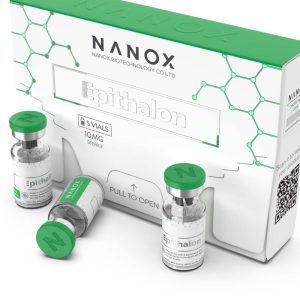
| Product Name | Epithalon 10mg |
|---|---|
| CAS Number | 307297-39-8 |
| Molecular Formula | C14H22N4O9 |
| Molecular Weight | 390.35 g/mol |
| Purity | ≥98% (HPLC verified) |
| Form | Lyophilised powder |
| Storage | -20°C, dry conditions |
| Manufacturer | Hubio Pharm (USA) |
Research Compliance Statement
This Epithalon 10mg preparation is manufactured by Hubio Pharm exclusively for in-vitro laboratory research purposes. The compound is not intended for human consumption, therapeutic use, or any application outside controlled research environments. Researchers must comply with institutional guidelines and applicable regulations when handling this research peptide. Laboratory personnel should maintain proper storage conditions and follow established protocols for peptide reconstitution and analysis. All research applications must adhere to approved scientific methodologies and institutional review board requirements where applicable.