

Overview of Raloxifene HCL Research Compound
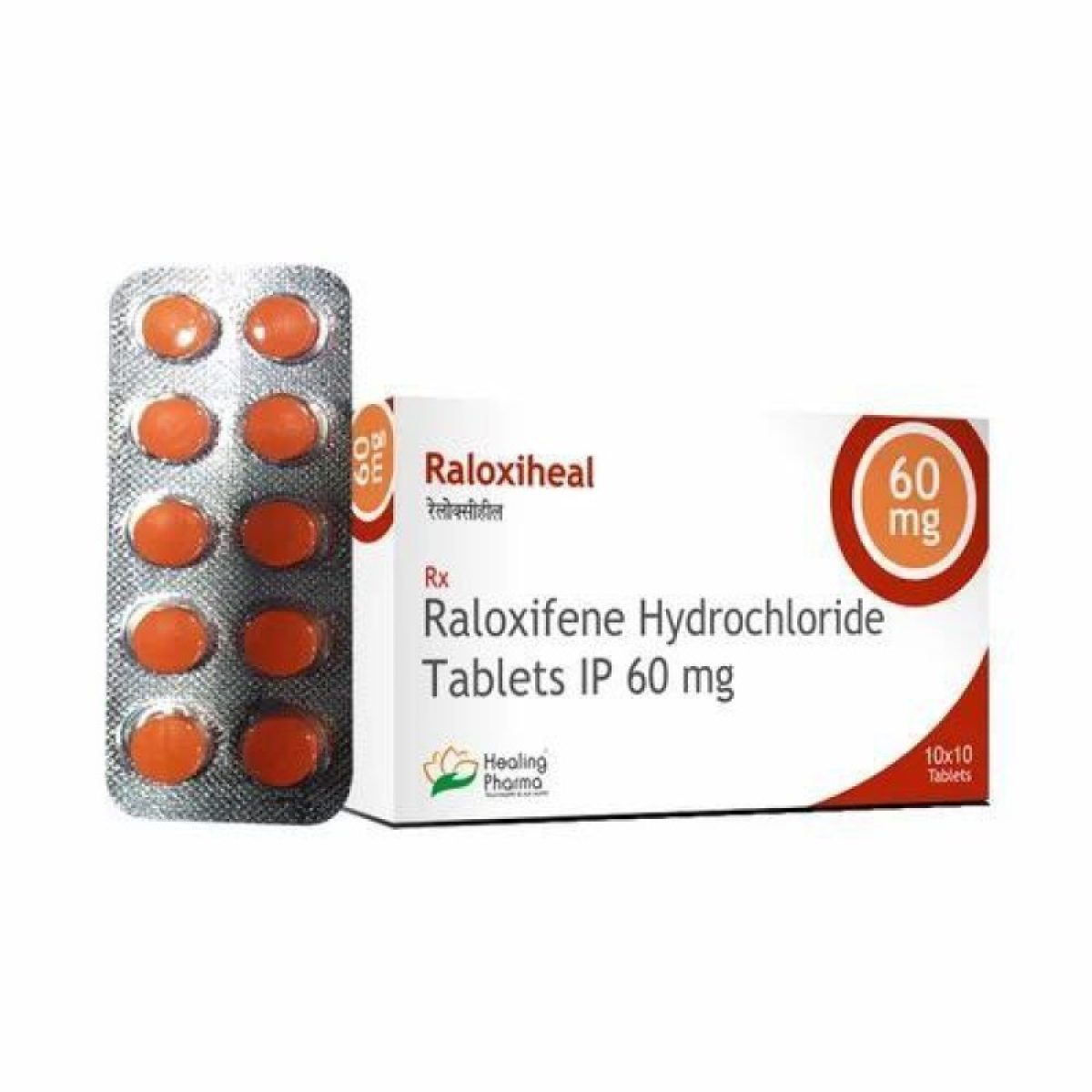
Raloxifene HCL is a second-generation selective estrogen receptor modulator (SERM) extensively investigated for its tissue-selective estrogenic and anti-estrogenic properties. This benzothiophene derivative demonstrates unique receptor binding characteristics, functioning as an estrogen receptor agonist in bone tissue while acting as an antagonist in breast and uterine tissues. Research laboratories at Stroid UK Shop utilise this compound to examine complex estrogen signaling pathways and investigate novel therapeutic mechanisms in preclinical models.
Research Applications and Mechanisms
Laboratory studies examine raloxifene’s dual mechanism of action through competitive binding to estrogen receptors alpha and beta. Researchers investigate its ability to modulate gene transcription in a tissue-specific manner, particularly focusing on bone formation markers and osteoblast activity. Metabolic research explores its effects on lipid metabolism pathways, while reproductive biology studies analyse its impact on hypothalamic-pituitary-gonadal axis regulation. The compound’s pharmacokinetics demonstrate oral bioavailability with hepatic metabolism, making it valuable for studying SERM mechanisms alongside other compounds available in our aromatase inhibitors and raloxifene collection. Comparative studies often examine raloxifene effects relative to SARMs compounds and research peptides in tissue-selective receptor modulation research.
Research Specifications
| Parameter | Specification |
|---|---|
| CAS Registry | 82640-04-8 |
| Molecular Formula | C₂₈H₂₇NO₄S·HCl |
| Molecular Weight | 510.05 g/mol |
| Chemical Class | Benzothiophene SERM |
| Storage Temperature | Room temperature, dry environment |
| Solubility | Water soluble (HCl salt) |
Laboratory Compliance
This raloxifene HCL research chemical is manufactured strictly for in-vitro laboratory research applications and is not intended for human consumption, diagnostic, or therapeutic purposes. Researchers must ensure proper laboratory protocols and safety measures when handling this compound. All studies should comply with institutional research guidelines and applicable regulatory frameworks governing research chemical use in laboratory environments.