
L-Glutamine
L-Glutamine products.
Showing all 4 results
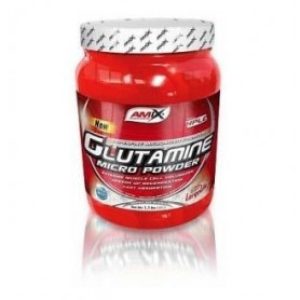
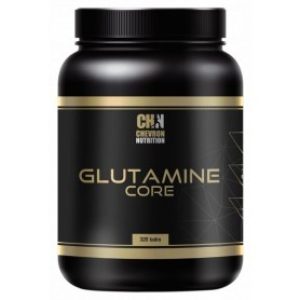
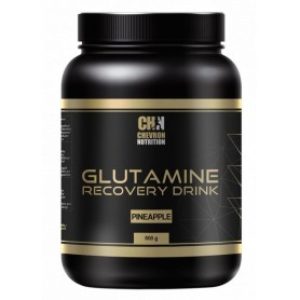
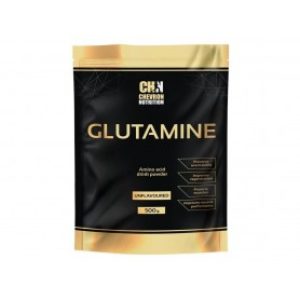
Showing all 4 results
L glutamine works in one context and not the other
Glutamine is the most abundant free amino acid in the body and a fuel source for intestinal and immune cells. This section holds 4 lines from £17 to £23. The evidence for it splits cleanly along one line, and which side you are on decides whether it does anything.
Where it genuinely helps
In severe catabolic states — major burns, major surgery, critical illness, gut disorders involving damaged intestinal lining — glutamine becomes conditionally essential. Demand outstrips what the body can synthesise, and supplementation has real clinical support in those settings.
That research is sound, and it is also the research being cited to sell it to healthy people training in a gym.
Where it does not
In healthy people eating adequate protein, controlled trials have not shown meaningful benefit for muscle growth, strength, recovery or immune function from supplemental glutamine. The body synthesises it, dietary protein supplies it, and adding more does not produce a shortage to correct.
Weight training is not a catabolic state in the clinical sense, however it feels the next morning. That is the gap the marketing crosses.
The gut health claim
This is the more interesting one because the mechanism is real — intestinal cells do use glutamine preferentially. Evidence for supplementation improving gut health in people who are not clinically compromised is weak, but the plausibility is genuine, which is more than can be said for the muscle claims.
Anyone with an actual diagnosed gut condition is dealing with a clinical matter where this may be relevant on medical advice.
Where it sits against the rest
The same reasoning applies as with BCAAs: adequate protein already supplies it, so the supplement addresses a deficit most people do not have. Against creatine, which does have clear evidence in healthy trained people, the contrast is stark.
It is at least inexpensive, unlike much of the supplements shelf, so the cost of being wrong here is small.
Dosing, for what it is worth
The doses used in clinical settings are considerably higher than those in sports products, which is part of why the transfer fails. A supplement dose aimed at a healthy person is neither the clinical dose nor addressing the clinical situation, and checking the supplier still matters — see how to check a brand is genuine.
Frequently asked questions
Does glutamine aid recovery?
Not demonstrably in healthy people eating enough protein. The recovery evidence comes from clinical catabolic states.
Is the clinical research relevant to me?
Only if you are in a comparable state — major burns, surgery, critical illness. Training is not that.
What about gut health?
The mechanism is real and the evidence in healthy people is weak. Plausible rather than demonstrated.
Does it help immune function after hard training?
Trials have not shown a meaningful effect in healthy trained people.
Is it worth buying?
It is cheap, which limits the downside. On evidence, protein and creatine are better uses of the money.


