
Fish Oil
Showing all 2 results

Showing all 2 results
Fish oil works, for different reasons than most buyers assume
Omega-3 fatty acids, principally EPA and DHA, have a genuine evidence base — one of the better ones on the supplements shelf. This section holds 2 lines from £12 to £24.
What the evidence supports and what people buy it for are not quite the same thing.
What is well supported
Triglyceride reduction is the strongest finding, and it is dose-dependent and clinically meaningful at higher intakes. That matters more in this catalogue than it might elsewhere: many compounds stocked here worsen the lipid profile, oral steroids in particular, and omega-3 is one of the few things that pushes in the opposite direction.
Anti-inflammatory effects and cardiovascular associations are also reasonably supported, though the picture there has grown more complicated as larger trials have reported.
What is weaker
Direct effects on muscle growth, strength or body composition are not well demonstrated. Joint comfort claims are widely made and thinly evidenced. Neither is absurd — both are plausible extensions of the anti-inflammatory action — but they are not what the strong evidence covers.
Rancidity is the quality problem
Omega-3s oxidise readily, and oxidised fish oil is not merely less effective — the oxidation products are themselves undesirable. Independent testing of retail fish oil has repeatedly found products exceeding accepted oxidation limits, sometimes substantially.
A capsule that smells strongly of fish when opened is a warning sign. Fresh oil should be close to odourless. Buying from cold storage, checking dates and keeping it refrigerated all matter more with this product than with almost anything else on the shelf.
Reading the label
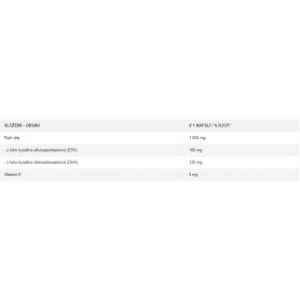
What counts is the EPA and DHA content, not the total oil weight. A 1,000 mg capsule may contain 300 mg of actual omega-3, so comparing capsule sizes across products tells you very little.
Why it belongs alongside the rest of this catalogue
Because lipid damage is one of the more consistent and least visible costs of the compounds sold here. The oral steroids range in particular suppresses HDL sharply, and that happens without symptoms until it shows on a blood panel.
Omega-3 does not undo that, and nothing does while the compound is being run. It is one of a small number of things pushing in the useful direction, alongside the monitoring set out across the supplements pages. Supplier quality matters here more than most — see how to check a brand is genuine.
Frequently asked questions
Does fish oil build muscle?
No. The strong evidence is for triglycerides and inflammation, not body composition.
Why is it relevant in this catalogue?
Several compounds stocked here worsen lipids. Omega-3 is one of the few things that improves them.
How do I know if it has gone off?
A strong fishy smell on opening. Fresh oil is close to odourless.
What should I compare between products?
EPA and DHA content, not total capsule weight. The two differ a great deal.
Does it help joints?
Widely claimed, thinly evidenced. Plausible from the anti-inflammatory action but not demonstrated.


