
Metformin
Metformin products, part of our fat burner range.
Showing 13–17 of 17 results


Showing 13–17 of 17 results
Why metformin appears in this catalogue
Metformin bodybuilding use is almost entirely as an adjunct rather than a primary compound. It improves insulin sensitivity and lowers hepatic glucose output, which is relevant to anyone running growth hormone — because growth hormone opposes insulin and raises blood glucose. This section holds 17 lines from £28 to £68, clustered near £33.
What it actually does
Three mechanisms: it reduces glucose production by the liver, improves peripheral insulin sensitivity, and modestly slows intestinal glucose absorption. The net effect is lower fasting glucose and better glucose handling.
What it does not do is cause meaningful fat loss on its own. Weight change on metformin is generally modest and partly appetite-mediated. Anyone expecting it to work like a GLP-1 compound is comparing very different effect sizes.
The growth hormone connection
Sustained growth hormone use raises blood glucose and can push someone toward insulin resistance over time. That is the main long-term concern with somatropin, and it is invisible without fasting glucose and HbA1c testing. Metformin is used to offset it — sensibly, provided the monitoring happens rather than being assumed.
Where it sits against the alternatives
Metformin is often mentioned alongside GLP-1 compounds because both affect glucose handling, and the comparison flatters it unfairly. Semaglutide works on appetite and produces weight effects of an entirely different magnitude. Metformin improves how the body handles glucose; it does not substantially change how much someone eats.
That makes it a sensible adjunct where glucose handling is the specific concern, and a poor choice for anyone expecting it to drive fat loss on its own.
Why it is cheap
At £28 to £68 this is one of the least expensive sections stocked. Metformin is an old, off-patent, high-volume generic produced at enormous scale, and the price reflects that rather than anything about quality or dosing.
Side effects and cautions
Gastrointestinal effects are common early and usually settle. Long-term use is associated with reduced B12 absorption, which is worth periodic checking. Lactic acidosis is rare but serious, and risk rises with kidney impairment and alcohol.
It is a prescription-only medicine in the UK. Related compounds sit in fat burners, though its mechanism is quite different from anything else there.
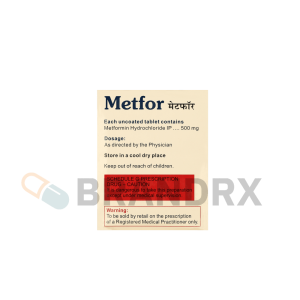
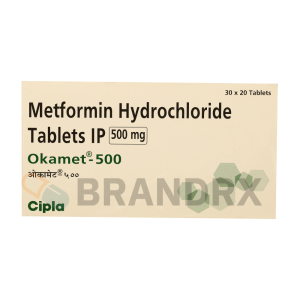
The 17 lines stocked here are conventional pharmaceutical presentations rather than performance preparations, which is unusual in this catalogue and reflects metformin’s status as a widely prescribed generic medicine.
It is also worth noting that metformin is a prescription medicine in the UK with an established monitoring pathway behind it. Kidney function is checked before it is started clinically, and that check exists for a reason rather than as bureaucracy — a point covered further in the FAQ below.
Frequently asked questions
Does metformin help with fat loss?
Modestly and indirectly. It improves glucose handling; it is not a fat-loss drug in the way GLP-1 compounds are.
Why take it with growth hormone?
Growth hormone raises blood glucose and opposes insulin. Metformin offsets that, which is the main reason it appears here.
What are the common side effects?
Gastrointestinal upset early on, usually settling. Long-term use warrants periodic B12 checks.
Can it be taken with insulin?
That combination is used clinically, but both affect glucose and the interaction needs monitoring rather than assumption.
Is it safe long term?
It has a long clinical track record at prescribed doses with monitoring. Kidney function and B12 are the things to keep an eye on.


