
DMHA
DMHA products, part of our fat burner range.
Showing all 7 results
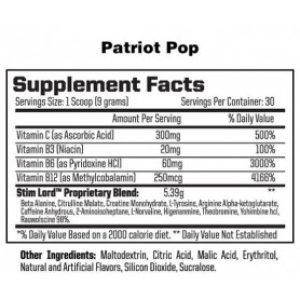
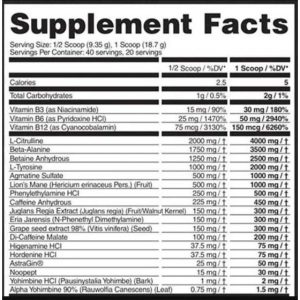
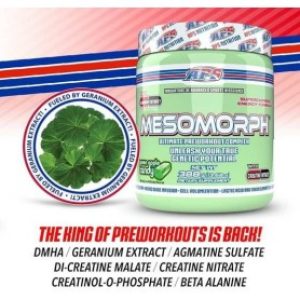
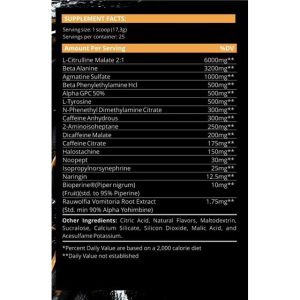
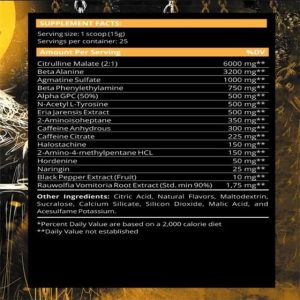
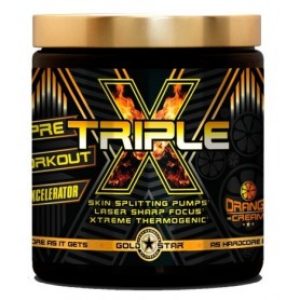
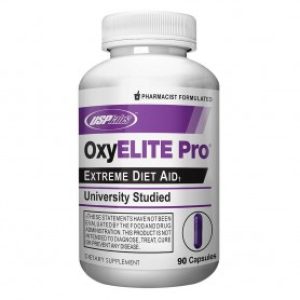
Showing all 7 results
DMHA arrived because DMAA was banned
DMHA, also called octodrine or 2-aminoisoheptane, is a stimulant that appeared widely in pre-workout products after DMAA was removed from the market. This section holds 7 lines from £36 to £62, averaging near £50.
Understanding it means understanding what it replaced.
The DMAA precedent
DMAA was a powerful stimulant used heavily in pre-workouts until regulators acted against it following adverse event reports including cardiovascular events and deaths. It was removed from supplement markets in multiple countries.
DMHA appeared shortly afterwards in a very similar role. Structurally related, similar in character, and — critically — not covered by the specific rules that removed its predecessor.
What that pattern means for buyers
A compound whose commercial existence depends on not yet being specifically regulated has not been shown to be safe. It has been shown to be different enough from the banned thing to avoid the ban, which is a much weaker statement.
DMHA has limited human safety data, and what exists comes largely from its historical use as a nasal decongestant decades ago rather than from study at the doses used in pre-workout products.
What it does
It acts as a stimulant, raising alertness, focus and perceived energy, and it raises heart rate and blood pressure as stimulants do. Users describe it as stronger and longer-lasting than caffeine.
Those cardiovascular effects add to anything else stimulant in use, and DMHA appears most often in blended products alongside caffeine and other actives, so the total load is frequently higher than intended.
Regulatory position
DMHA is not an approved ingredient for food supplements in the UK or EU, and several regulators have taken action against products containing it. That is worth knowing before buying rather than after.
Anyone in tested sport should treat it with caution, and anyone with a cardiac history or raised blood pressure should avoid it. Broader context on stimulant load is in pre workout and fat burners.
The pattern worth recognising
Stimulant is banned, structurally similar stimulant appears, is used until regulators catch up, is replaced in turn. DMAA followed ephedra; DMHA followed DMAA. Each successor is newer, less studied, and marketed on the reputation of the one before it.
Anyone comparing this against ephedrine should note the inversion: the older, regulated compound has the better human evidence behind it, and the newer unregulated one has less. Supplier checks are in how to check a brand is genuine.
Frequently asked questions
What is DMHA?
A stimulant, also called octodrine, that spread through pre-workout products after DMAA was banned.
Is it safer than DMAA?
Unknown. It avoided the specific ban, which is not the same as having been shown to be safer.
Is it legal in the UK?
It is not an approved food supplement ingredient, and regulators have acted against products containing it.
How does it compare with caffeine?
Users describe it as stronger and longer-lasting, with correspondingly greater cardiovascular effects.
Who should avoid it?
Anyone with a cardiac history or raised blood pressure, and anyone already taking other stimulants.


