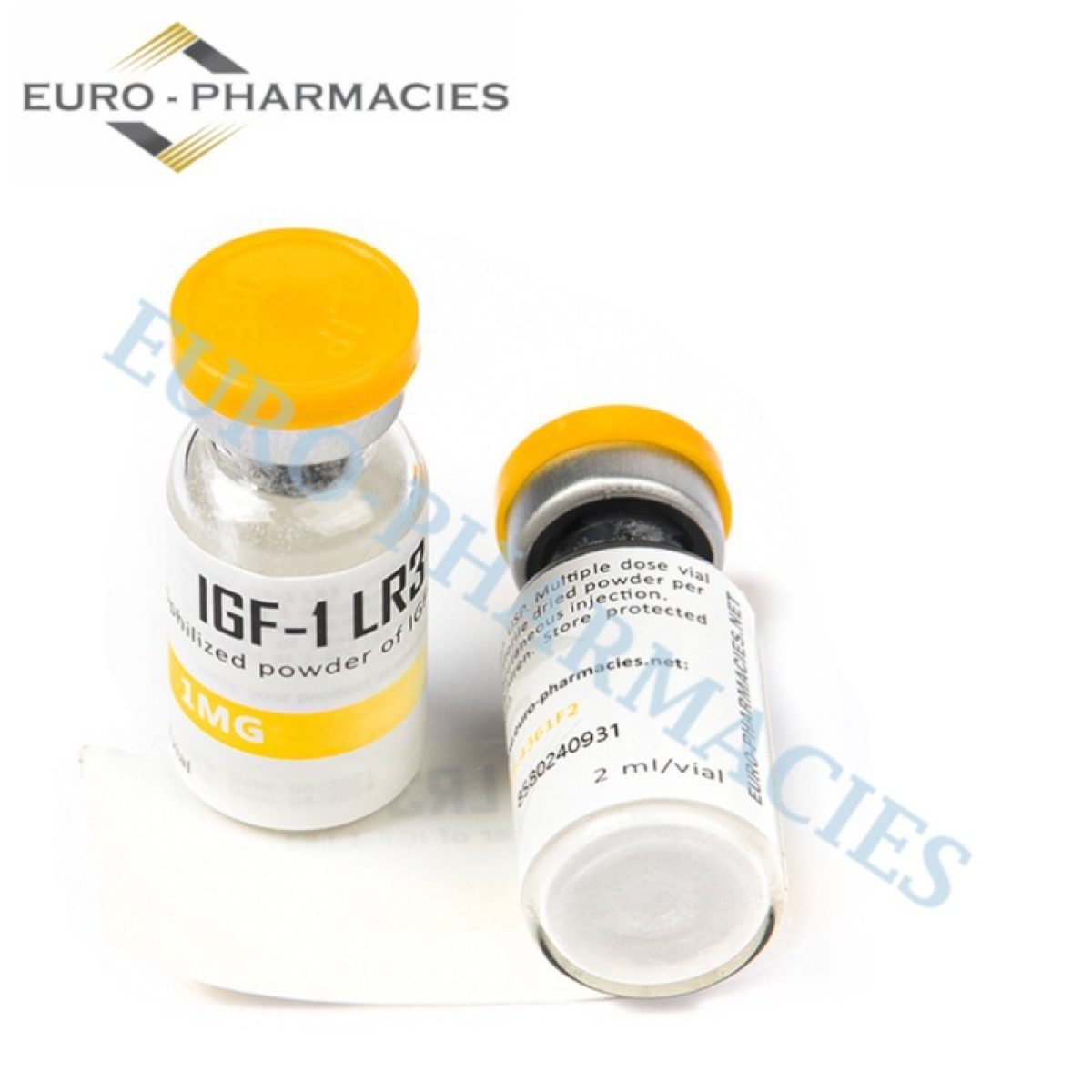

IGF 1-LR3: Compound Profile
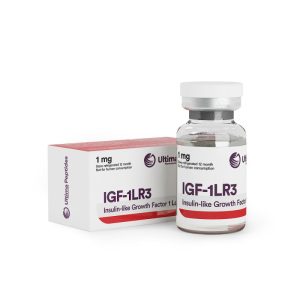
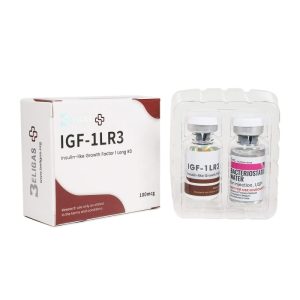
IGF-1 LR3 is a modified form of insulin-like growth factor-1 featuring an extended amino acid sequence that significantly prolongs its half-life compared to native IGF-1. This synthetic analogue incorporates arginine substitution at position 3 and a 13-amino acid N-terminal extension, creating a research tool with enhanced stability for investigating growth factor signalling pathways. Researchers studying cellular proliferation, differentiation, and metabolic regulation utilise this compound to examine IGF-1 receptor activation and downstream signalling cascades in controlled laboratory environments. The pharmaceutical-grade formulation ensures consistent purity standards essential for reproducible experimental results.
IGF-1 LR3 demonstrates reduced binding affinity to IGF binding proteins compared to native IGF-1, allowing for more direct receptor interaction in cell culture systems. This characteristic makes it particularly valuable for research applications requiring sustained growth factor activity without the confounding effects of binding protein interference. Investigations into muscle cell biology, bone formation mechanisms, and metabolic signalling pathways frequently employ this research chemical due to its enhanced bioavailability and extended activity window. The compound serves as a critical tool in understanding growth factor biology and tissue development processes across multiple research disciplines.
Laboratory Applications
Scientific investigations utilise IGF-1 LR3 to examine growth factor receptor signalling, cellular metabolism, and tissue development mechanisms in vitro. Research protocols often incorporate this compound when studying muscle satellite cell activation, osteoblast proliferation, and hepatocyte glucose metabolism. Cell culture studies investigate its effects on protein synthesis pathways, examining mTOR activation and downstream effector responses in controlled laboratory settings. Comparative analyses between native IGF-1 and LR3 variants provide insights into structure-function relationships within the IGF system.
Metabolic research applications explore IGF-1 LR3’s influence on glucose uptake, insulin sensitivity, and lipid metabolism in isolated cell systems. Neuroscience laboratories investigate its neuroprotective properties and effects on neural development in primary culture models. Researchers at Stroid UK Shop utilise this compound alongside other research peptides to advance understanding of growth factor biology. These studies contribute to broader research programmes examining IGF-1 peptide mechanisms and their role in cellular physiology compared to studies involving selective androgen receptor modulators.
Technical Specifications
| Parameter | Specification |
|---|---|
| Molecular Weight | 9117.5 g/mol |
| Amino Acid Count | 83 residues |
| Purity | ≥98% (HPLC verified) |
| Form | Lyophilised powder |
| Storage Temperature | -20°C (long-term) |
| Reconstitution | Bacteriostatic water |
| Solution Stability | 2-8°C, use within 30 days |
| CAS Number | Verify with supplier |
Research Compliance
This IGF-1 LR3 formulation is manufactured exclusively for in-vitro laboratory research applications and is not intended for human consumption, therapeutic use, or any application outside controlled scientific environments. Researchers must possess appropriate institutional approvals and follow established laboratory safety protocols when handling this research chemical. All experimental procedures should comply with institutional guidelines and relevant regulatory frameworks governing peptide research. Storage and handling must adhere to standard laboratory practices for biological research materials.