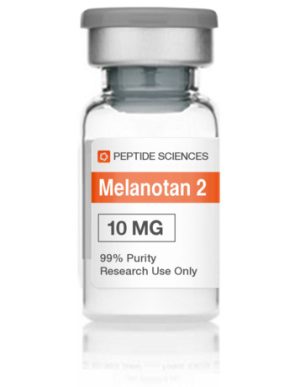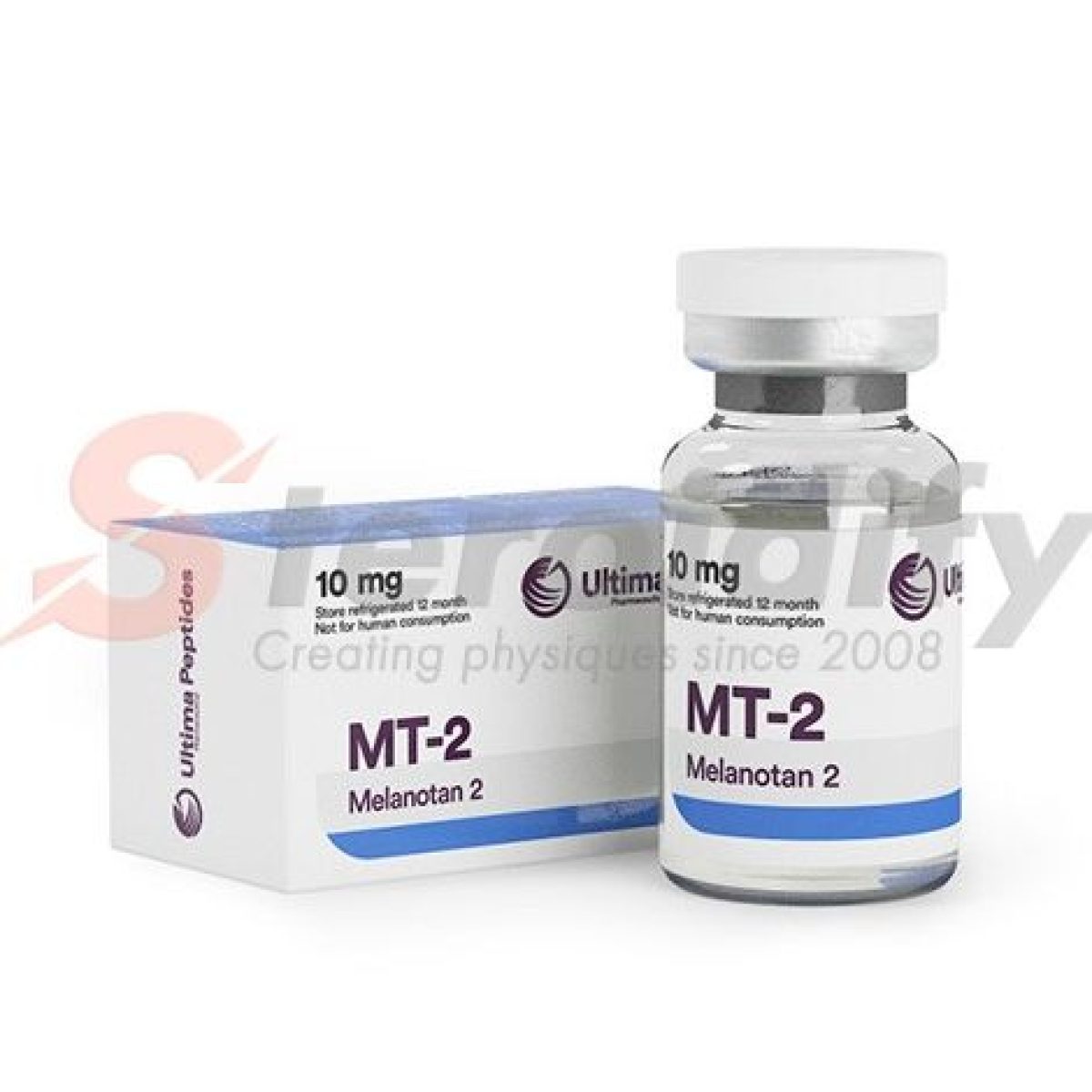
Ultima-Melanotan-II (MT-2) at a Glance
Melanotan II is a synthetic cyclic heptapeptide analogue of alpha-melanocyte stimulating hormone (α-MSH) designed for laboratory research applications. This compound demonstrates high affinity binding to melanocortin receptors MC1R, MC3R, MC4R, and MC5R in preclinical studies. Researchers at Stroid UK Shop investigate this peptide’s melanocortin pathway modulation properties across multiple receptor subtypes. The cyclic structure provides enhanced stability compared to linear peptide analogues, making it suitable for extended research protocols examining melanocortin system function.
Laboratory Applications
Scientific investigations focus on MT-2’s melanocortin receptor agonism in cellular models. Published research demonstrates its activity at hypothalamic MC4R pathways involved in energy homeostasis regulation. Cell culture studies examine its effects on melanogenesis pathways through MC1R activation in melanocyte lines. Researchers studying melanocortin peptides analyse its comparative binding kinetics versus endogenous α-MSH. Metabolic research laboratories investigate its central nervous system effects on feeding behaviour circuits in animal models. Comparative studies with other research peptides examine receptor selectivity profiles. Advanced laboratories explore its potential interactions with selective receptor modulators in combination studies examining multiple signalling pathways simultaneously.
Product Specifications
| Chemical Name | Ac-Nle4-cyclo[Asp5, D-Phe7, Lys10]-α-MSH(4-10)-NH₂ |
|---|---|
| CAS Number | 121062-08-6 |
| Molecular Formula | C₅₀H₆₉N₁₅O₉ |
| Molecular Weight | 1024.18 g/mol |
| Purity | ≥98% HPLC |
| Appearance | White lyophilised powder |
| Storage | -20°C, protected from light |
| Solubility | Water, DMSO, methanol |
Research Compliance
This Melanotan II preparation is manufactured by Ultima Pharmaceuticals exclusively for laboratory research purposes. Not approved for human consumption, therapeutic use, or clinical applications. Researchers must follow institutional guidelines for peptide handling and disposal. Store according to manufacturer specifications to maintain molecular integrity throughout research studies. All investigations should comply with relevant laboratory safety protocols and regulatory frameworks governing research chemical use.