
Research Overview: PROSCAR (PROPECIA) Merckgroup
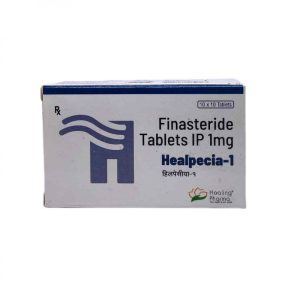
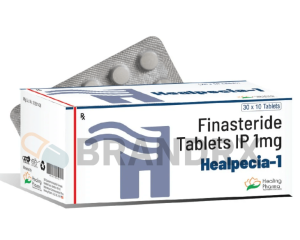
Finasteride is a 5α-reductase inhibitor originally developed for investigating steroid hormone metabolism pathways. This synthetic compound selectively inhibits the enzyme responsible for converting testosterone to dihydrotestosterone (DHT) in laboratory models. Researchers at Stroid UK Shop can utilise this pharmaceutical-grade material for studying enzymatic inhibition mechanisms, receptor binding studies, and hormone metabolism research applications.
Laboratory Applications
Research scientists investigate finasteride’s selective 5α-reductase inhibition properties across multiple experimental contexts. Cell culture studies examine its effects on androgen receptor pathways and gene expression profiles. Pharmacokinetic researchers analyse its metabolic pathways and bioavailability characteristics in various model systems. Enzyme kinetics studies utilise this compound to understand competitive inhibition mechanisms. Laboratory investigations also explore its tissue-selective effects and molecular interactions with steroid metabolism enzymes. Comparative studies with other aromatase inhibitors and finasteride compounds help researchers understand selectivity profiles and mechanistic differences across enzyme inhibitor classes.
Technical Specifications
| Parameter | Value |
|---|---|
| Molecular Formula | C₂₃H₃₆N₂O₂ |
| Molecular Weight | 372.55 g/mol |
| CAS Registry | 98319-26-7 |
| Manufacturer | Merckgroup |
| Form | Oral tablets |
| Storage Temperature | Room temperature |
| Stability | Protect from moisture |
Researchers studying hormone modulation pathways often combine finasteride investigations with broader compound categories including selective androgen receptor modulators and peptide compounds to understand comprehensive endocrine system interactions and regulatory mechanisms in controlled laboratory environments.
Research Compliance
PROSCAR finasteride is supplied exclusively for in-vitro laboratory research purposes. This compound is not intended for human consumption, clinical applications, or any form of in-vivo administration. Researchers must maintain appropriate laboratory safety protocols and comply with institutional guidelines for handling pharmaceutical compounds in research environments.