Research Overview of Adipotide (FTTP)
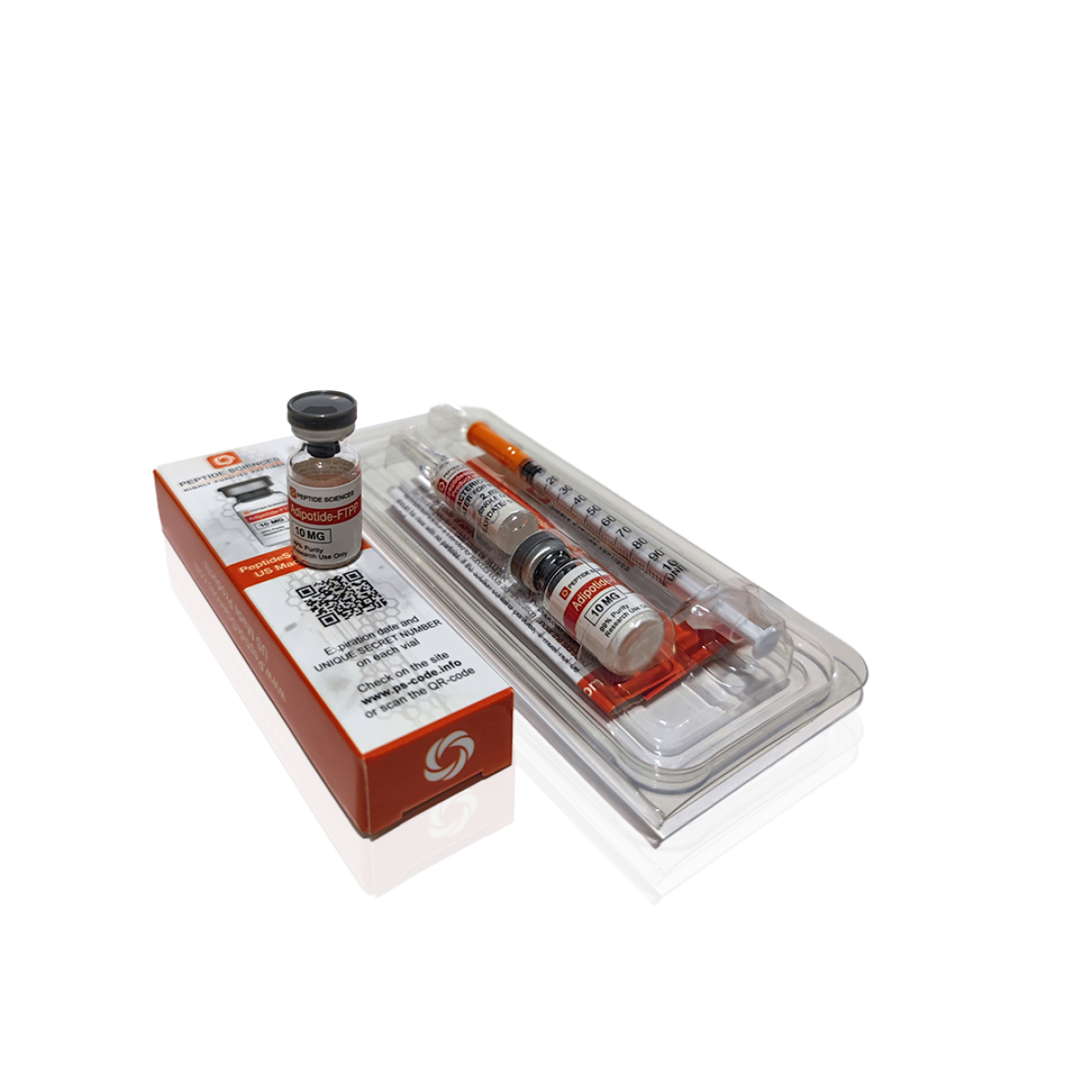
Adipotide (FTTP) is a synthetic peptide compound designed for laboratory investigation of adipocyte function and metabolic pathways. Developed by Peptide Sciences, this 10mg research-grade formulation enables researchers at Stroid UK Shop to conduct comprehensive studies on fat tissue biology and cellular metabolism. The compound represents an advanced tool for understanding adipose tissue dynamics through controlled experimental conditions.
Laboratory Applications and Research Protocols
Research scientists utilise Adipotide in various experimental frameworks to examine adipocyte behaviour and metabolic responses. Laboratory studies investigate how this peptide interacts with cellular receptors and influences fat tissue function at the molecular level. Researchers can analyse concentration-dependent effects, cellular uptake mechanisms, and metabolic pathway activation through carefully designed protocols. The compound’s structure allows for detailed examination of its binding affinity and selectivity profiles. Scientists working with weight management research compounds often incorporate this peptide into broader metabolic studies. Experimental designs may include time-course analyses, dose-response evaluations, and comparative studies with other research materials from our SARMS collection or comprehensive peptides catalogue.
Technical Specifications
| Parameter | Specification |
|---|---|
| Product Name | Adipotide (FTTP) |
| Quantity | 10mg |
| Manufacturer | Peptide Sciences |
| Form | Lyophilised powder |
| Purity | ≥98% (HPLC verified) |
| Storage | -20°C protected from light |
| Molecular Weight | Verify with supplier |
| CAS Number | Verify with supplier |
Regulatory Compliance Statement
This Adipotide (FTTP) product is manufactured exclusively for in-vitro research applications and laboratory study purposes. The material is not intended for human consumption, therapeutic use, or any clinical applications. Researchers must ensure compliance with institutional guidelines and regulatory requirements when conducting experimental studies with this compound.