
Research Overview of IGF-1 LR3
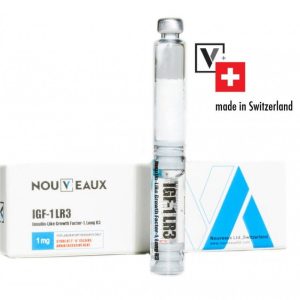
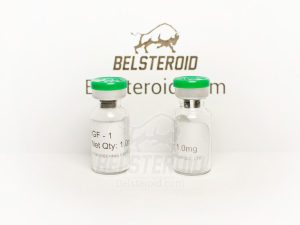
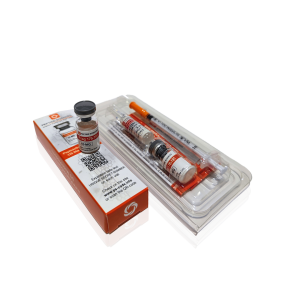
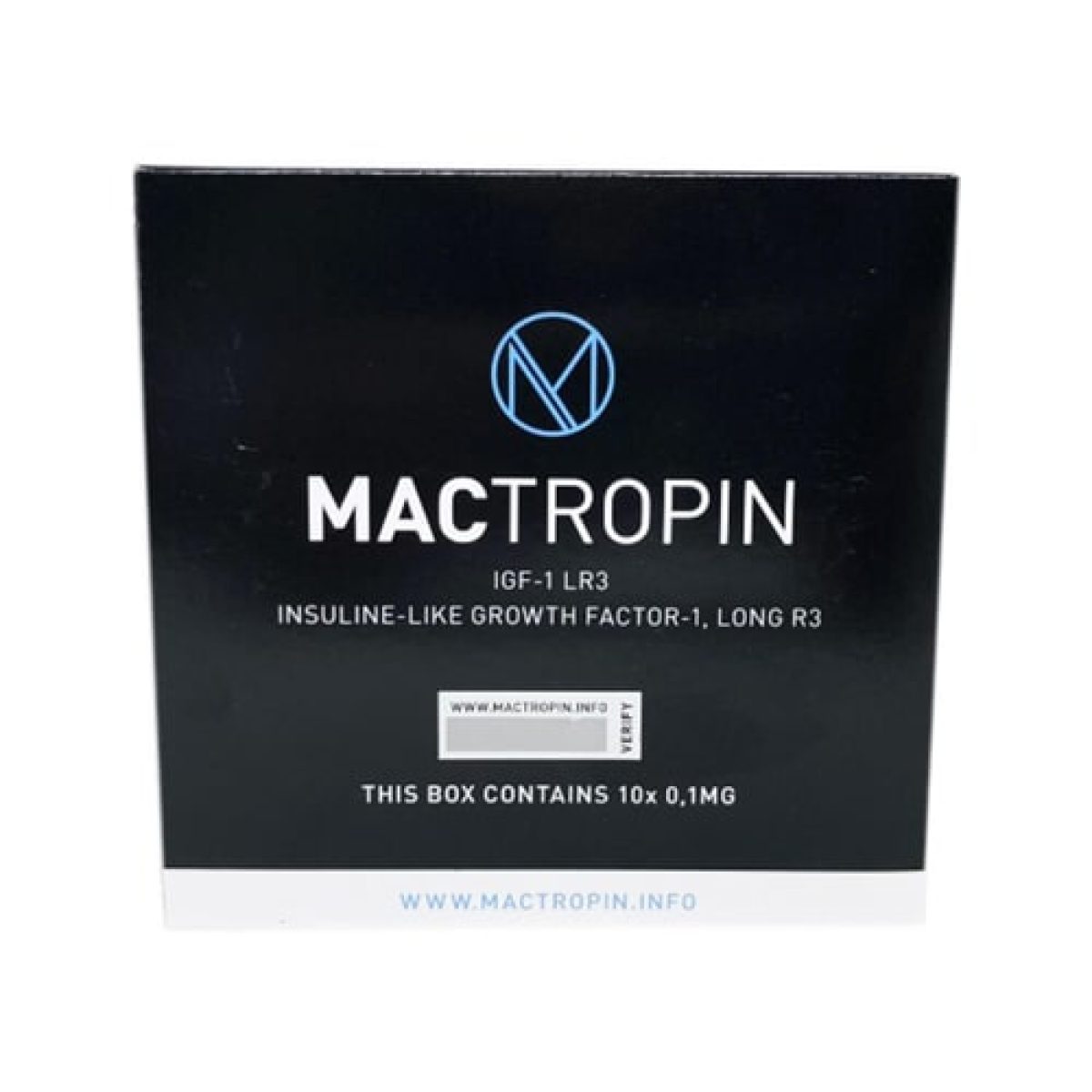
IGF-1 LR3 is a modified insulin-like growth factor peptide engineered for sophisticated laboratory investigations. This synthetic analogue features an extended half-life compared to native IGF-1, making it valuable for researchers studying cellular growth mechanisms and protein synthesis pathways. Scientists at Stroid UK Shop supply this research compound to facilitate in-depth molecular studies examining growth factor signalling cascades and cellular responses under controlled laboratory conditions.
Laboratory Research Applications
Researchers utilise IGF-1 LR3 to investigate muscle tissue regeneration processes and examine how growth factors influence cellular proliferation in laboratory models. Studies focus on analysing protein synthesis mechanisms, evaluating cellular repair processes, and examining growth factor receptor interactions. Research teams also investigate metabolic pathway modulation and assess how this peptide affects cellular energy utilisation patterns. Advanced laboratories examine its role in tissue engineering applications and explore potential therapeutic pathways. Comparative studies with other growth factors available in our peptides collection provide valuable insights into differential cellular responses.
Research Specifications
| Peptide Type | Modified Insulin-like Growth Factor |
|---|---|
| Concentration | 0.1mg per vial |
| Manufacturer | MACTROPIN |
| Molecular Formula | Verify with supplier |
| CAS Number | Verify with supplier |
| Storage Requirements | Refrigerated conditions |
| Research Grade | Laboratory standard |
Research teams often combine IGF-1 LR3 studies with investigations using compounds from our SARMs category to examine comprehensive cellular response mechanisms. Advanced studies also evaluate synergistic effects when researched alongside other research peptides under controlled laboratory protocols.
Research Compliance
This product is strictly intended for in-vitro laboratory research purposes only. Not approved for human consumption, therapeutic use, or any application outside controlled research environments. Researchers must follow institutional guidelines and maintain proper laboratory protocols when conducting studies with this compound.