Research-Grade Neurobiological Peptide
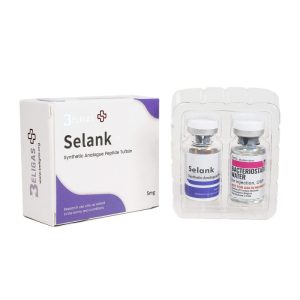
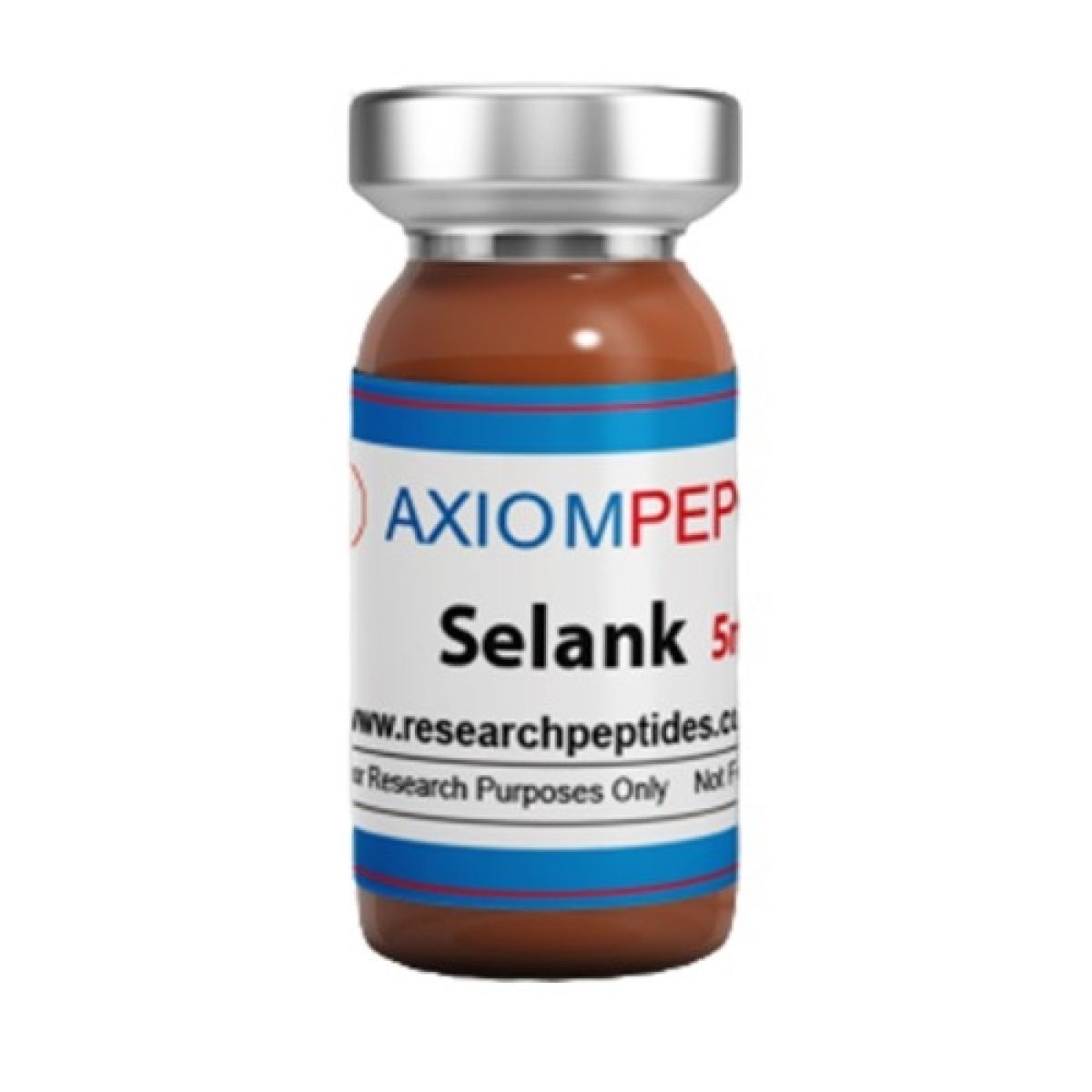
Selank is a synthetic heptapeptide derived from the immunomodulatory tetrapeptide tuftsin, structurally modified with an additional C-terminal Pro-Gly-Pro tripeptide sequence. Originally developed at the Institute of Molecular Genetics in Russia, this compound represents a significant advancement in neurobiological research applications. When researchers Stroid UK Shop, Selank offers unique molecular characteristics that distinguish it from other nootropic research compounds. The peptide’s molecular weight of 751.87 g/mol and CAS number 129954-34-3 provide essential identification parameters for laboratory documentation.
Molecular Investigation Applications
Research institutions examine Selank’s interaction with GABAergic neurotransmission pathways and its modulation of interleukin-6 expression in cellular models. Scientists study this compound’s effects on anxiety-related behavioural patterns in animal models, particularly its influence on stress-response mechanisms. The peptide’s immunomodulatory properties make it valuable for researchers investigating cytokine regulation and inflammatory response pathways. Laboratories evaluate Selank’s neuroprotective characteristics through various in-vitro assays, examining its potential effects on neural tissue preservation. Studies focus on its interaction with melanocortin receptors and subsequent downstream signalling cascades. Researchers in the Selank peptide category often compare its molecular behaviour with other research peptides and selective androgen receptor modulators for comprehensive neurobiological investigations.
Technical Specifications
| Parameter | Specification |
|---|---|
| CAS Number | 129954-34-3 |
| Molecular Formula | C₃₃H₅₇N₁₁O₉ |
| Molecular Weight | 751.87 g/mol |
| Peptide Sequence | Thr-Lys-Pro-Arg-Pro-Gly-Pro |
| Quantity | 5mg per vial |
| Manufacturer | Axiom Peptides |
| Storage | 2-8°C, lyophilised powder |
| Purity | ≥98% (HPLC verified) |
Laboratory Compliance Statement
This product is manufactured exclusively for in-vitro research applications and laboratory studies. It is not intended for human consumption, therapeutic use, or any clinical application. Researchers must handle this compound according to appropriate laboratory safety protocols and institutional guidelines. Storage requires controlled temperature conditions to maintain molecular stability. All research activities must comply with applicable local and international regulations governing research chemicals. This product is restricted to qualified research institutions and licensed laboratories with appropriate handling capabilities.