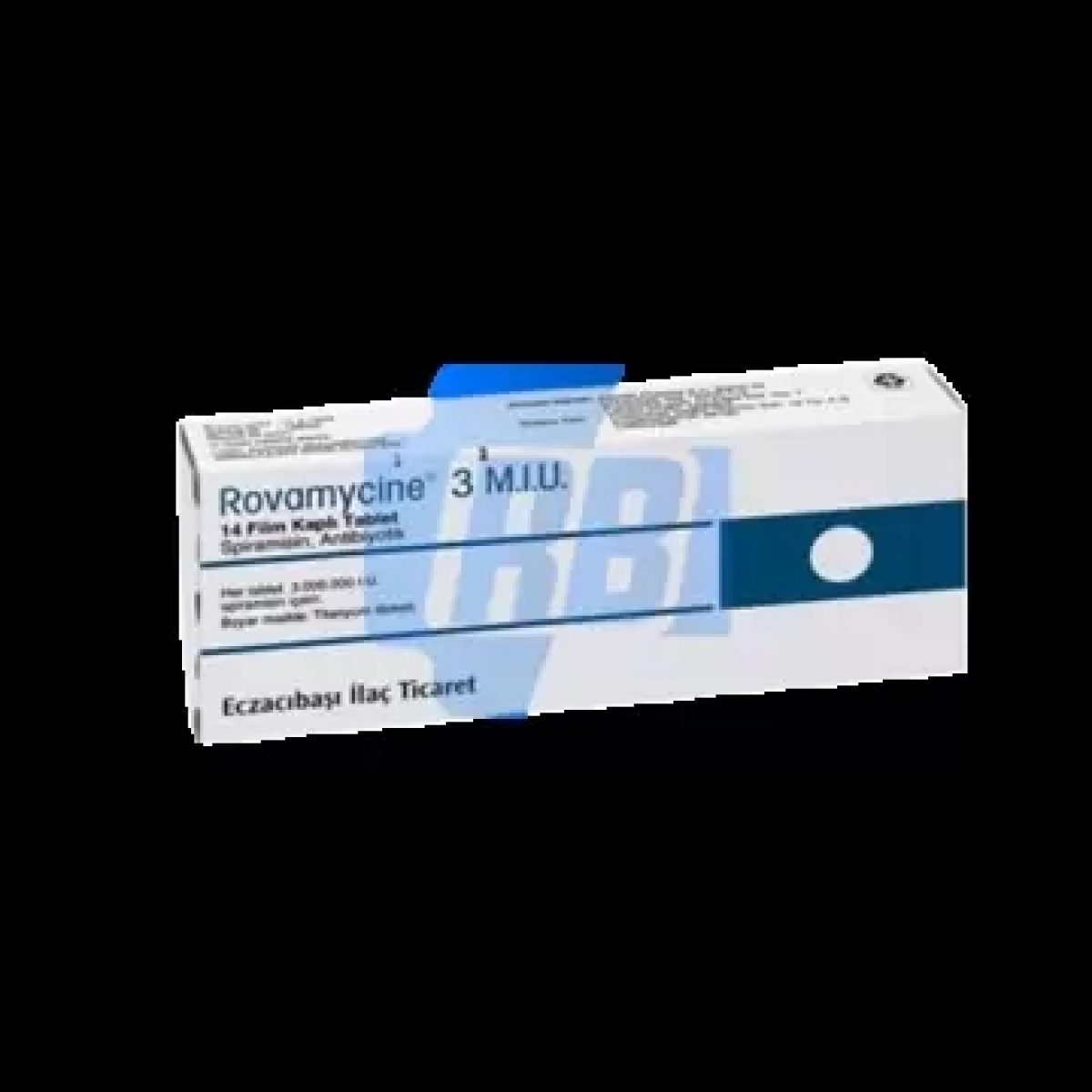

Research Overview: Rovamycine 3.000.
Rovamycine 3.000.000 iu Eczacibasi is a spiramycin-based macrolide antibiotic formulation manufactured by Eczacibasi for in-vitro laboratory research applications. This pharmaceutical-grade research tool enables scientists to investigate antimicrobial mechanisms, bacterial resistance patterns, and macrolide pharmacology in controlled laboratory environments. Researchers at Stroid UK Shop can examine spiramycin’s unique binding characteristics to the 50S ribosomal subunit and its effects on protein synthesis in bacterial cell cultures.
Laboratory Applications
Research teams utilise this spiramycin preparation to study gram-positive bacterial inhibition mechanisms, particularly examining its effectiveness against streptococcal and staphylococcal strains in laboratory settings. The 3.000.000 international unit formulation provides standardised potency for reproducible experimental protocols. Scientists investigating macrolide resistance mechanisms find this compound valuable for analysing methylase-mediated resistance patterns and cross-resistance phenomena. Comparative studies with other spiramycin research compounds enable comprehensive antimicrobial spectrum analysis. Microbiological researchers also examine spiramycin’s bacteriostatic properties and minimum inhibitory concentrations across various bacterial isolates.
Technical Specifications
| Parameter | Value |
|---|---|
| Active Component | Spiramycin |
| Potency | 3.000.000 International Units |
| Manufacturer | Eczacibasi |
| Storage Requirements | Cool, dry conditions |
| Molecular Class | Macrolide antibiotic |
| Research Applications | Antimicrobial mechanism studies |
Researchers studying broader antimicrobial compounds often cross-reference findings with selective androgen receptor modulators and research peptides for comprehensive molecular interaction studies.
Research Compliance
This spiramycin formulation is manufactured exclusively for in-vitro laboratory research purposes. Researchers must ensure compliance with institutional protocols and applicable regulations when conducting antimicrobial studies. The product is not intended for human consumption, therapeutic applications, or veterinary use. Laboratory personnel should maintain appropriate biosafety measures when handling this research material and follow established antimicrobial research guidelines.