
N-Acetyl Semax Research Compound Overview
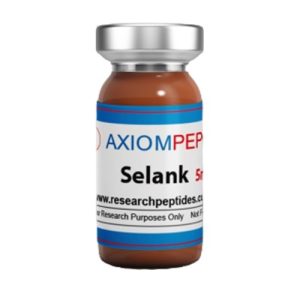
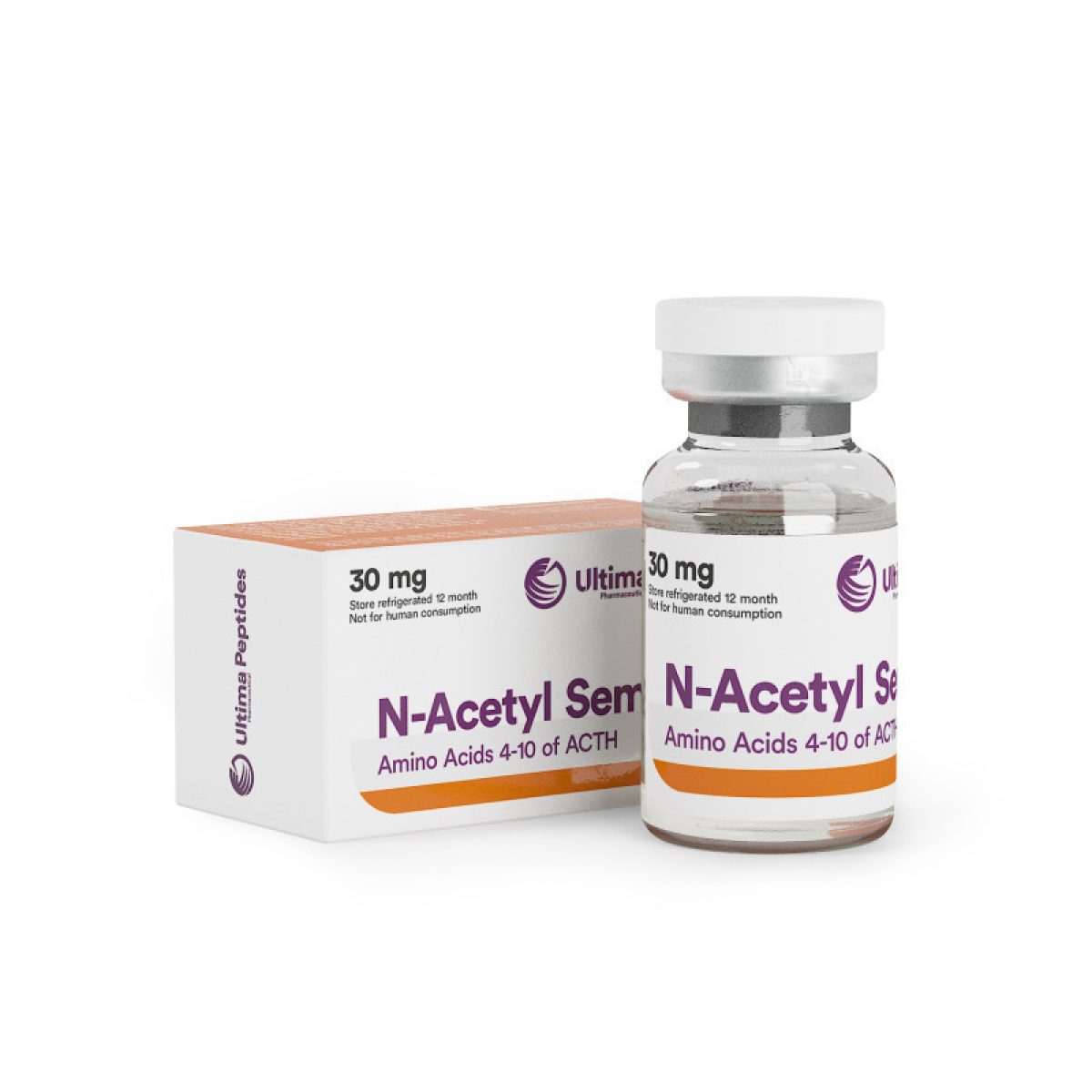
N-Acetyl Semax is a synthetic heptapeptide derived from the ACTH 4-7 sequence with an N-acetyl modification that enhances metabolic stability compared to standard Semax. This melanocortin analogue incorporates the Pro-Gly-Pro tripeptide extension, creating a unique compound for investigating neurotrophic signalling pathways. Researchers at Stroid UK Shop can examine this modified peptide’s interactions with BDNF expression and neural protection mechanisms in controlled laboratory environments. The acetylation modification provides extended half-life characteristics, making it valuable for studies requiring sustained peptide activity profiles.
Laboratory Research Applications
Scientific investigations focus on N-Acetyl Semax’s modulation of brain-derived neurotrophic factor expression in neural tissue cultures. Researchers study its effects on melanocortin receptor activation and downstream signalling cascades that influence neuroplasticity markers. The compound’s enhanced stability allows for extended experimental protocols examining neuroprotective mechanisms in ischaemic models. Studies within specialised peptide research categories investigate its potential interactions with GABAergic neurotransmission pathways. Comparative analyses with other research compounds from selective receptor modulator collections provide insights into receptor selectivity profiles. Advanced peptide research programmes utilising comprehensive peptide libraries examine its effects on cognitive enhancement biomarkers and stress response pathways in laboratory models.
Technical Specifications
| Parameter | Specification |
|---|---|
| Molecular Weight | 855.98 g/mol (estimated) |
| Chemical Class | N-Acetylated Heptapeptide |
| CAS Number | Verify with supplier |
| Purity | Research grade |
| Quantity | 30mg per vial |
| Storage | 2-8°C refrigerated |
| Stability | Enhanced vs non-acetylated form |
| Solubility | Aqueous solutions |
Research Compliance
This N-Acetyl Semax formulation by Ultima Peptides is manufactured exclusively for in-vitro research applications and laboratory analysis. The compound is not intended for human consumption, therapeutic use, or any applications outside controlled scientific research environments. Researchers must maintain appropriate laboratory safety protocols and comply with institutional guidelines for peptide handling procedures.