Research Overview of HGH Fragment 176-191
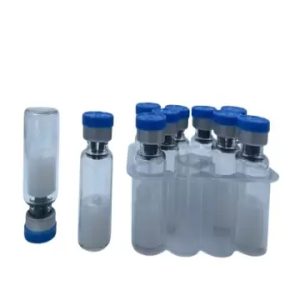
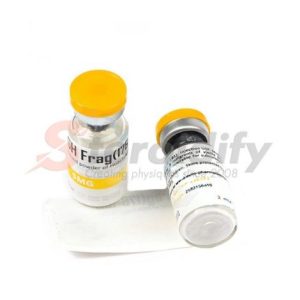
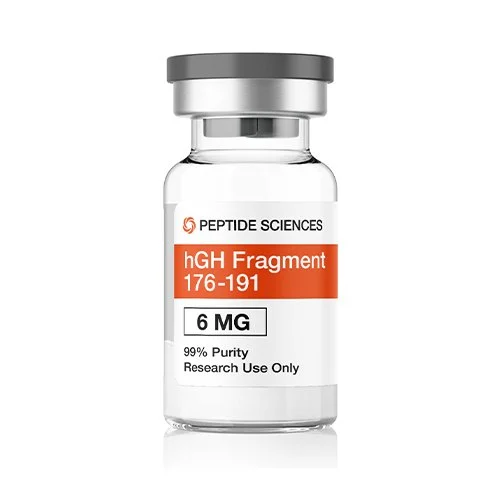
HGH Fragment 176-191 6mg is a synthetic peptide comprising amino acids 176-191 from the C-terminal region of human growth hormone. This specific fragment represents the region responsible for lipolytic activity without the growth-promoting effects of the full hormone. Manufactured by Peptide Sciences, this research-grade compound enables precise laboratory investigation of isolated growth hormone mechanisms. Research teams at Stroid UK Shop can study this fragment’s selective properties in controlled experimental conditions.
Laboratory Applications
Scientific studies examine HGH Fragment 176-191’s interaction with growth hormone receptors and downstream signalling pathways. Research models investigate the fragment’s effects on adipocyte metabolism and cellular energy expenditure mechanisms. Laboratory protocols study the peptide’s stability profile and receptor binding affinity compared to full-length growth hormone. Researchers from our Fragment 176-191 collection analyse tissue-specific responses and cellular uptake characteristics. Comparative studies with other research peptides examine structure-activity relationships and fragment specificity. Investigation protocols also explore the peptide’s metabolic stability and degradation pathways in biological systems. Advanced research combines this fragment with selective modulators to study complex metabolic interactions.
Technical Specifications
| Peptide Name | HGH Fragment 176-191 |
|---|---|
| Amino Acid Sequence | 176-191 C-terminal region of hGH |
| Molecular Weight | Verify with supplier |
| CAS Number | Verify with supplier |
| Purity | Research grade |
| Quantity | 6mg per vial |
| Storage | Lyophilised: -20°C, Reconstituted: 2-8°C |
| Manufacturer | Peptide Sciences |
Research Compliance Information
HGH Fragment 176-191 6mg is supplied strictly for in-vitro laboratory research purposes only. This peptide is not intended for human consumption, therapeutic use, or any application outside controlled laboratory environments. Researchers must comply with institutional protocols and safety guidelines when handling this research chemical. All studies should be conducted by qualified personnel in appropriate laboratory facilities with proper documentation and safety measures.