
Research Applications of Stanozolol Aqueous Suspension
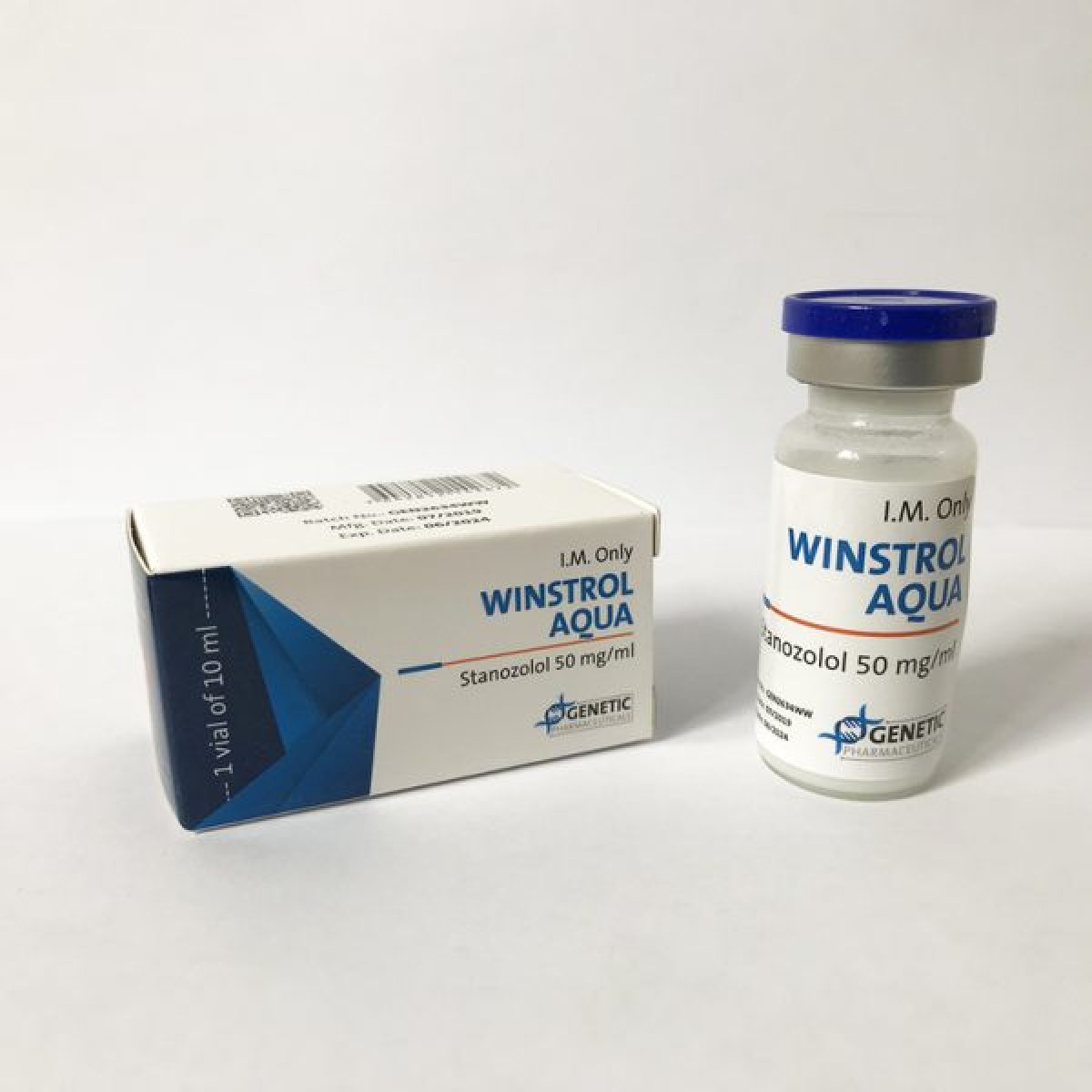
Stanozolol is a synthetic anabolic-androgenic steroid derived from dihydrotestosterone that researchers evaluate for its tissue-selective properties in laboratory investigations. This water-based formulation enables researchers at Stroid UK Shop to study the compound’s bioavailability and pharmacokinetic profiles compared to oil-based preparations. The aqueous suspension provides unique research opportunities for examining absorption kinetics, tissue distribution patterns, and clearance mechanisms in controlled laboratory environments.
Laboratory Investigation Parameters
Research scientists examine stanozolol’s mechanism of action through androgen receptor binding studies, investigating its modified steroid structure that lacks the ability to convert to estrogen via aromatase enzyme activity. Laboratory protocols focus on analysing the compound’s effects on protein synthesis pathways, nitrogen retention mechanisms, and cellular anabolic processes. Researchers frequently compare this formulation to other compounds available in our winstrol oral section to evaluate bioequivalence and pharmacological differences between administration routes.
Research Specifications and Analytical Data
| Parameter | Specification |
|---|---|
| Chemical Name | 17α-Methyl-17β-hydroxy-5α-androst-2-eno[3,2-c]pyrazole |
| CAS Number | 10418-03-8 |
| Molecular Formula | C₂₁H₃₂N₂O |
| Molecular Weight | 328.49 g/mol |
| Formulation | Aqueous suspension |
| Storage Conditions | Room temperature, protect from light |
| Research Use | In-vitro laboratory studies only |
Comparative studies often investigate stanozolol alongside research compounds from our SARMs collection and peptides range to examine different mechanisms of anabolic activity and receptor selectivity profiles in laboratory settings.
Research Compliance and Laboratory Safety
This stanozolol aqueous suspension is supplied exclusively for in-vitro research applications and laboratory analytical studies. Researchers must maintain appropriate laboratory conditions, follow institutional biosafety protocols, and ensure compliance with local regulations governing controlled substance research. The compound requires proper handling procedures, documentation of research protocols, and storage under controlled laboratory conditions to maintain research integrity and analytical reliability.