Research Overview: Drostanolone Propionate Laboratory Analysis
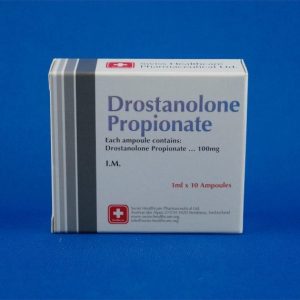
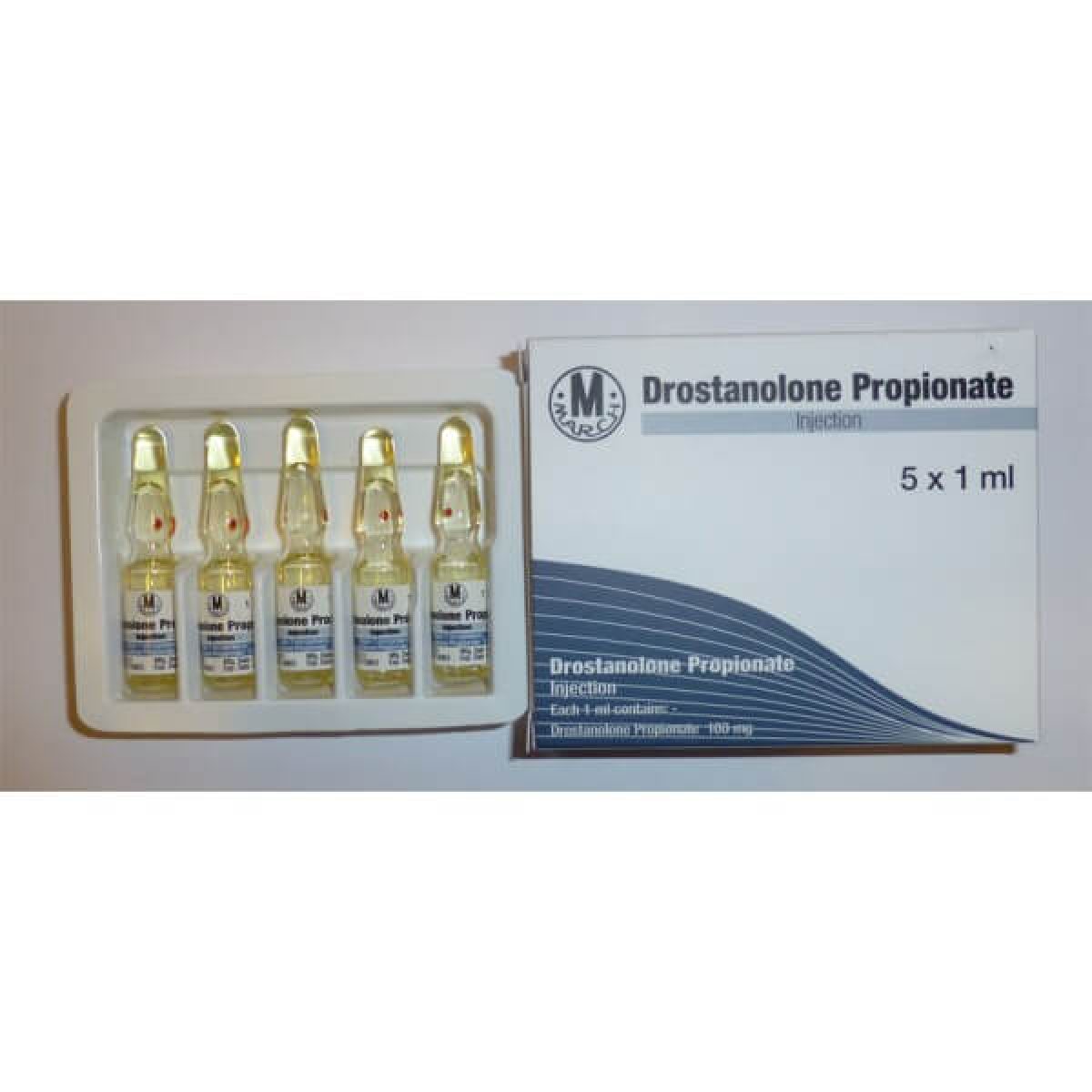
Drostanolone Propionate 100mg is a synthetic dihydrotestosterone (DHT) derivative extensively investigated in laboratory settings for its unique molecular properties and receptor binding characteristics. Research scientists at Stroid UK Shop have documented this compound’s distinctive anabolic-to-androgenic ratio, making it a valuable research tool for examining selective tissue targeting mechanisms. Laboratory studies focus on its propionate ester configuration, which influences bioavailability and metabolic clearance rates in experimental models. The 100mg concentration provides researchers with standardised dosing for reproducible experimental protocols across various research applications.
Laboratory Research Applications
Scientific investigations utilise Drostanolone Propionate to examine androgen receptor selectivity and tissue-specific responses in controlled laboratory environments. Researchers analyse its effects on nitrogen retention mechanisms, protein synthesis pathways, and cellular anabolic processes through in-vitro studies. The compound serves as a research standard for investigating DHT-derived androgens compared to other research chemicals available in our Drostanolone collection. Laboratory protocols frequently compare its molecular behaviour against compounds found in our SARMs research range and peptide research catalogue for comprehensive androgenic pathway studies.
Technical Specifications
| Chemical Name | 2α-methyl-4,5α-dihydrotestosterone propionate |
|---|---|
| Molecular Formula | C23H36O3 |
| Molecular Weight | 360.53 g/mol |
| CAS Number | 521-12-0 |
| Concentration | 100mg/mL |
| Storage Temperature | Room temperature, dry conditions |
| Research Grade | Laboratory standard |
Research Compliance Statement
This Drostanolone Propionate 100mg is supplied exclusively for in-vitro laboratory research purposes and scientific investigation only. Not approved for human consumption, therapeutic use, or any application outside controlled laboratory environments. Researchers must maintain appropriate laboratory protocols and safety procedures when handling this research chemical for experimental studies.