Research Overview: Trenbolone -A 100 Pharmaceutical
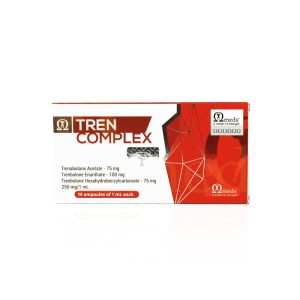
Trenbolone acetate is a synthetic anabolic-androgenic steroid compound derived from 19-nortestosterone with modifications at the C17 and C19 positions. This research chemical exhibits high binding affinity for androgen receptors and demonstrates potent anabolic activity in preclinical models without aromatisation to estrogenic metabolites. Laboratory researchers at Stroid UK Shop investigate this compound for its unique pharmacological profile, including its resistance to 5α-reductase enzyme conversion and direct androgenic activity. The acetate ester provides researchers with a short-acting formulation suitable for controlled experimental timelines and precise pharmacokinetic studies.
Laboratory Applications
Research applications focus on examining tissue-selective androgenic effects, protein synthesis modulation, and nitrogen retention mechanisms in cellular models. Scientists study trenbolone acetate’s interaction with glucocorticoid receptors and its influence on IGF-1 expression in muscle tissue cultures. The compound’s inability to aromatise makes it valuable for research into non-estrogenic anabolic pathways. Comparative studies with compounds from our steroid injection collection examine structure-activity relationships and receptor selectivity profiles. Advanced research protocols investigate metabolic effects, including enhanced nutrient efficiency and altered lipid metabolism in experimental models, alongside studies of alternative compounds from our SARMs range and peptide research chemicals.
Technical Specifications
| Parameter | Specification |
|---|---|
| Chemical Name | 17β-Hydroxyestra-4,9,11-trien-3-one acetate |
| CAS Number | 10161-34-9 |
| Molecular Formula | C₂₀H₂₄O₃ |
| Molecular Weight | 312.4 g/mol |
| Concentration | 100mg/ml |
| Purity | ≥99% HPLC verified |
| Storage | 2-8°C, protect from light |
| Stability | 36 months when stored properly |
Research Compliance
This trenbolone acetate formulation is manufactured exclusively for in-vitro laboratory research purposes and is not intended for human consumption, therapeutic use, or any clinical applications. Researchers must maintain appropriate laboratory safety protocols and ensure compliance with local regulations governing research chemical handling. All studies should be conducted in controlled laboratory environments by qualified personnel with proper safety equipment and waste disposal procedures.