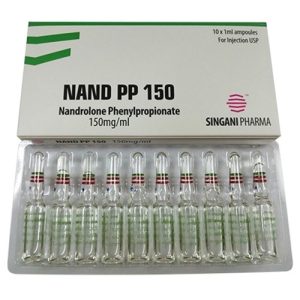
Testosterone Propionate Euro-Pharmacies at a Glance
Testosterone propionate is a synthetic esterified testosterone derivative extensively employed in endocrinology and cellular biology research. This fast-acting propionate ester formulation enables precise control in experimental protocols examining androgen receptor mechanisms and steroid hormone pathways. Euro-Pharmacies’ testosterone propionate provides researchers with a reliable reference standard for investigating hormonal signalling cascades, protein synthesis modulation, and tissue-specific androgenic responses in controlled laboratory environments. The compound’s shorter ester chain facilitates rapid bioavailability studies and allows for detailed pharmacokinetic analysis in research models.
Laboratory Applications
Research scientists utilise testosterone propionate to examine androgen receptor binding affinity, transcriptional activation patterns, and downstream molecular effects in various cell lines. Studies investigate its role in muscle protein synthesis pathways, bone mineralisation processes, and neural tissue development. The compound serves as a crucial tool for examining testosterone’s mechanisms in metabolic research, particularly in studies of insulin sensitivity and lipid metabolism. Comparative studies with other testosterone esters help researchers understand structure-activity relationships and ester hydrolysis kinetics. At Stroid UK Shop, we supply research-grade compounds alongside comprehensive SARMs and peptides for advanced laboratory investigations. Our testosterone propionate collection supports diverse research protocols in hormonal biology.
Technical Specifications
| Parameter | Specification |
|---|---|
| Chemical Formula | C₂₂H₃₂O₃ |
| Molecular Weight | 344.49 g/mol |
| CAS Number | 57-85-2 |
| Storage Temperature | Room temperature, dry conditions |
| Appearance | White crystalline powder or clear solution |
| Ester Type | Propionate (short-acting) |
Research Compliance Notice
This testosterone propionate is manufactured exclusively for in-vitro laboratory research purposes and is not approved for human consumption, therapeutic use, or any medical applications. Researchers must maintain proper laboratory protocols and safety procedures when handling this research chemical. All studies should be conducted in accordance with institutional guidelines and regulatory requirements for research compound usage.