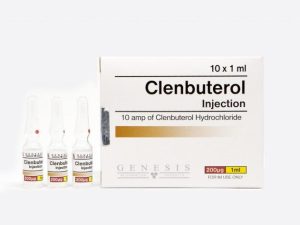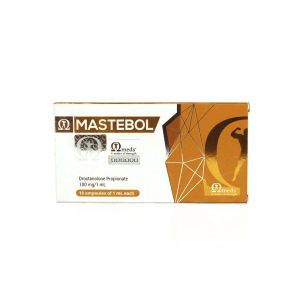

Drostenolone Enanthate Pharmaceutical: Compound Profile
Drostenolone Enanthate is a synthetic androgenic-anabolic steroid derived from dihydrotestosterone with an enanthate ester modification. This pharmaceutical compound exhibits unique structural properties that distinguish it from its propionate counterpart, featuring an extended ester chain that alters its pharmacokinetic profile in research applications. Scientists at Stroid UK Shop can examine this compound’s molecular characteristics alongside comparative studies with other anabolic agents.
Laboratory Applications
Research scientists investigate Drostenolone Enanthate’s androgenic receptor binding affinity and tissue selectivity patterns in controlled laboratory environments. Studies focus on its interaction with androgen receptors and the compound’s resistance to aromatase enzyme conversion. The enanthate ester provides researchers with opportunities to analyse extended-release kinetics compared to shorter ester variants available in our drostanolone collection. Comparative research protocols often examine this compound alongside other anabolic modulators from our SARMs research catalogue and peptide research range to evaluate different molecular pathways and receptor activation mechanisms.
Technical Specifications
| Parameter | Specification |
|---|---|
| Chemical Name | Drostenolone Enanthate |
| Molecular Formula | Verify with supplier |
| Molecular Weight | Verify with supplier |
| CAS Registry | Verify with supplier |
| Purity Grade | Pharmaceutical standard |
| Physical Form | Injectable solution |
| Storage Requirements | Room temperature, protect from light |
| Research Applications | Androgenic receptor studies, ester kinetics |
Research Compliance Statement
This Drostenolone Enanthate pharmaceutical preparation is manufactured exclusively for in-vitro laboratory research applications. Not intended for human consumption, clinical use, or therapeutic applications. Researchers must ensure compliance with local regulations governing controlled substance research. Proper laboratory protocols, safety equipment, and waste disposal procedures must be implemented when handling this research compound. All analytical work should be conducted in appropriately licensed research facilities with qualified scientific supervision.