TB-500 Research Overview
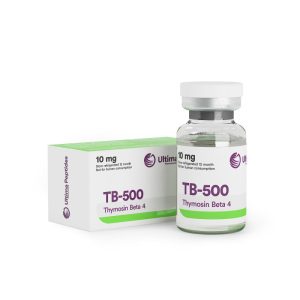
TB-500 is a synthetic peptide fragment derived from thymosin beta-4, extensively studied for its cellular migration and tissue repair properties. This 43-amino acid sequence represents one of the most researched wound healing compounds available for laboratory investigation. Research teams at Stroid UK Shop continue to examine its mechanisms in cellular biology studies. The compound’s ability to modulate actin polymerisation makes it valuable for investigating cytoskeletal dynamics and cell motility pathways in controlled laboratory environments.
Research Applications and Mechanisms
Laboratory studies demonstrate that TB-500 upregulates cell-building proteins, particularly actin, which plays crucial roles in cellular structure and movement. Researchers examine its effects on angiogenesis, endothelial cell migration, and inflammatory response modulation in various cell culture models. The peptide’s influence on vascular endothelial growth factor (VEGF) expression has made it a subject of interest in cardiovascular research applications. Scientists investigating TB-500 peptide mechanisms frequently study its role in promoting cellular differentiation and proliferation across multiple tissue types.
Technical Specifications
| Parameter | Value |
|---|---|
| Molecular Weight | 4963.44 g/mol (full sequence) |
| CAS Number | 77591-33-4 |
| Purity | Verify with supplier |
| Form | Lyophilised powder |
| Storage | -20°C (powder), 2-8°C (reconstituted) |
| Stability | Use within 30 days when reconstituted |
Research teams studying selective modulators often compare TB-500’s tissue-specific effects with other regenerative compounds. The peptide’s research profile includes investigations into cardiac tissue repair, skeletal muscle regeneration, and neural tissue protection models. When examining peptide research applications, scientists note TB-500’s unique ability to cross multiple tissue barriers while maintaining biological activity in experimental protocols.
Research Compliance
TB-500 10mg is supplied exclusively for in-vitro research purposes and is not intended for human consumption, therapeutic use, or any application outside controlled laboratory environments. Researchers must comply with institutional guidelines and maintain appropriate safety protocols when handling this research peptide.